
Swallowtail butterfly (family Papilionidae)
Large, often colorful butterflies of the family Papilionidae. Found worldwide (except Antarctica), with about 550 species including the large birdwing butterflies; notable for tails, mimicry, and diverse life histories.
Overview
Swallowtail butterflies belong to the family Papilionidae, a group of generally large and colorful butterflies recognizable to many naturalists. The family contains roughly 550 described species; for a general account see species information. Members range from modestly sized forms to the very largest butterflies known, and they display a wide variety of wing shapes and color patterns.
Image gallery
10 Images





Key characteristics
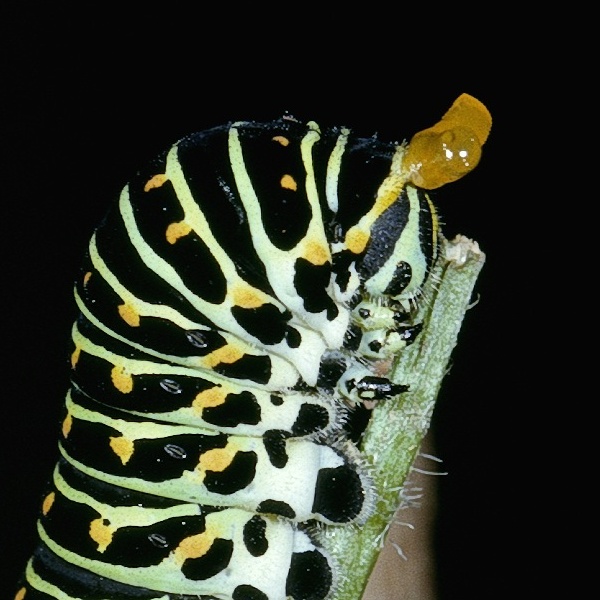
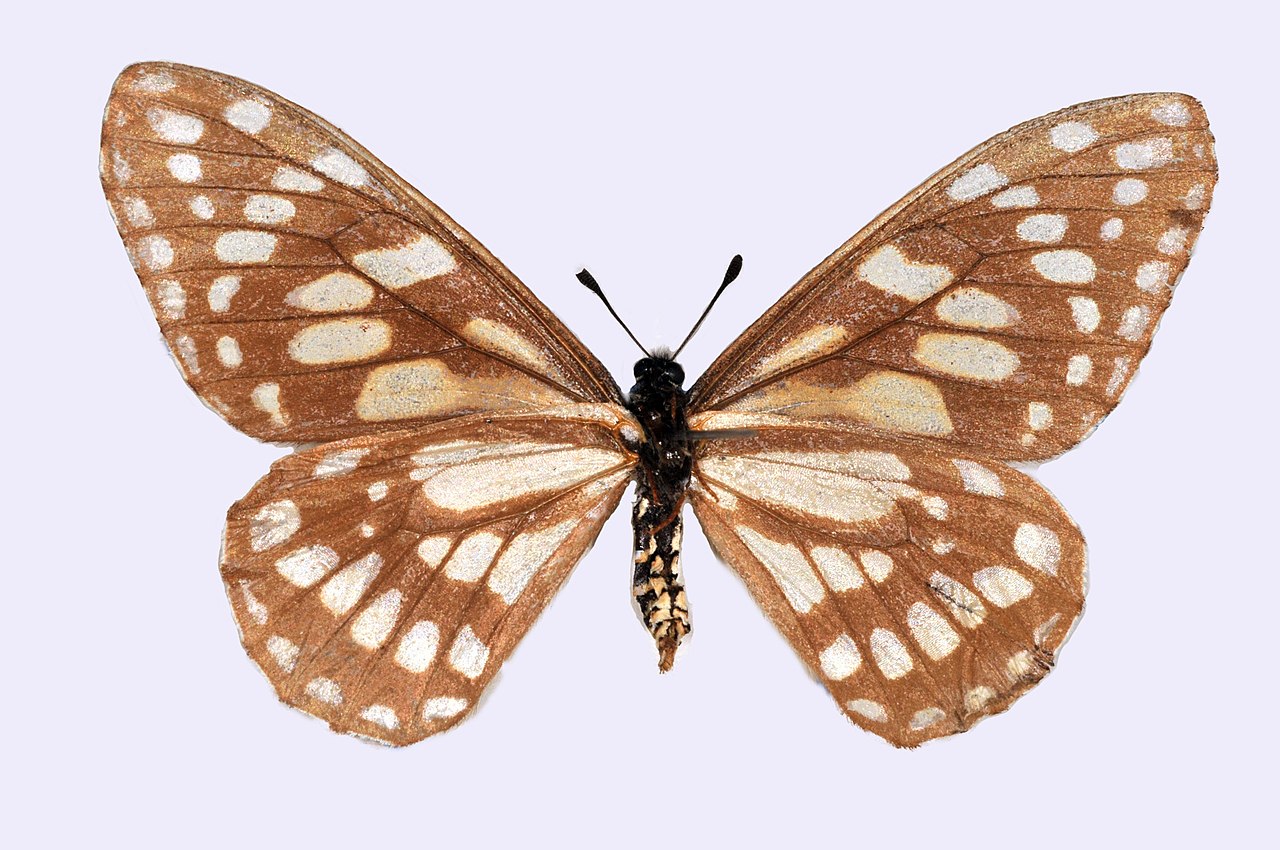
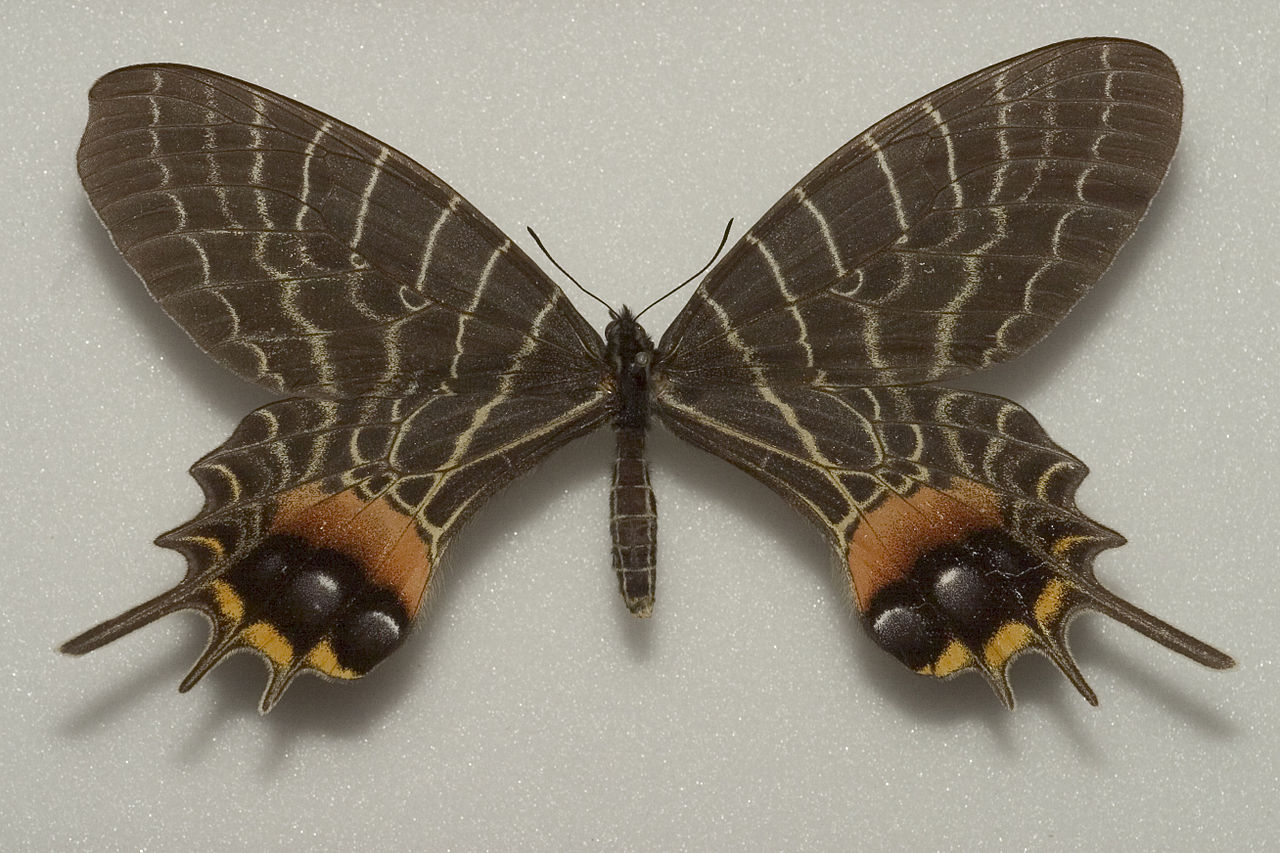
Many swallowtails have extensions on the hindwings that resemble tails, a feature that inspired the common name. Wings often bear bold patterns and bright colors used in signaling and camouflage. Larvae possess a curious gland called the osmeterium, a fleshy organ they can evert to release a foul odor and deter predators. Adults exhibit behaviors such as mud-puddling and sun-basking, and some species show complex mimicry with other butterflies and insects.
Distribution and habitat
Swallowtails occur on every continent except Antarctica; for maps and distribution summaries see continental listings and information about polar absence at Antarctic exclusion. The greatest species diversity is in tropical regions, but many species inhabit temperate zones as well. Habitats include forests, meadows, wetlands, montane slopes and cultivated landscapes where larval host plants are present.
Life cycle and ecology
Like other butterflies, swallowtails pass through egg, caterpillar, chrysalis and adult stages. Many species have caterpillars that feed on particular plant families (for example citrus and other rutaceous plants are important hosts for several Papilionidae). Adults often visit flowers for nectar and can serve as pollinators. Some species undertake short-distance movements or use hilltops for mating gatherings.
Human significance and conservation
Swallowtails are prized by collectors and admired by gardeners and photographers, and they serve as indicators of habitat quality. Habitat loss, pesticide use and overcollection have threatened certain species; some are protected under national or international regulations. Conservation measures include habitat protection, captive-breeding programs and public outreach to promote native host-plant gardening.
Notable groups and distinctions
The family includes well-known genera such as Papilio, Battus and the spectacular birdwing butterflies. The birdwings (genus Ornithoptera) include some of the largest living butterflies and are often highlighted in discussions of size and conservation. While tail-like hindwing extensions are characteristic of many species, they are not universal across the family; diversity in form and behavior is a defining feature of Papilionidae.
- Typical genera: Papilio, Battus, Ornithoptera
- Common behaviors: mud-puddling, hilltopping, mimicry
- Conservation focus: habitat protection and host-plant preservation
Related articles
Author
AlegsaOnline.com Swallowtail butterfly (family Papilionidae) Leandro Alegsa
URL: https://en.alegsaonline.com/art/95413
Sources
- tolweb.org : tolweb.org/Papilionidae/12177/2006.07.07
- tolweb.org : tolweb.org/