
Sylvacaecilia — the Aleku (Ethiopian) caecilian
Sylvacaecilia grandisonae, the Aleku or Ethiopian caecilian, is a limbless amphibian in family Indotyphlidae native to Ethiopia; subterranean, associated with dry forests and riparian springs.
Overview
Sylvacaecilia grandisonae, commonly called the Aleku caecilian or Ethiopian caecilian, is a limbless amphibian found in parts of Ethiopia. It is one representative of the order of caecilians, a little-known group of burrowing amphibians often mistaken for worms or snakes; general information about the group can be found via resources on caecilians.
Image gallery
4 Images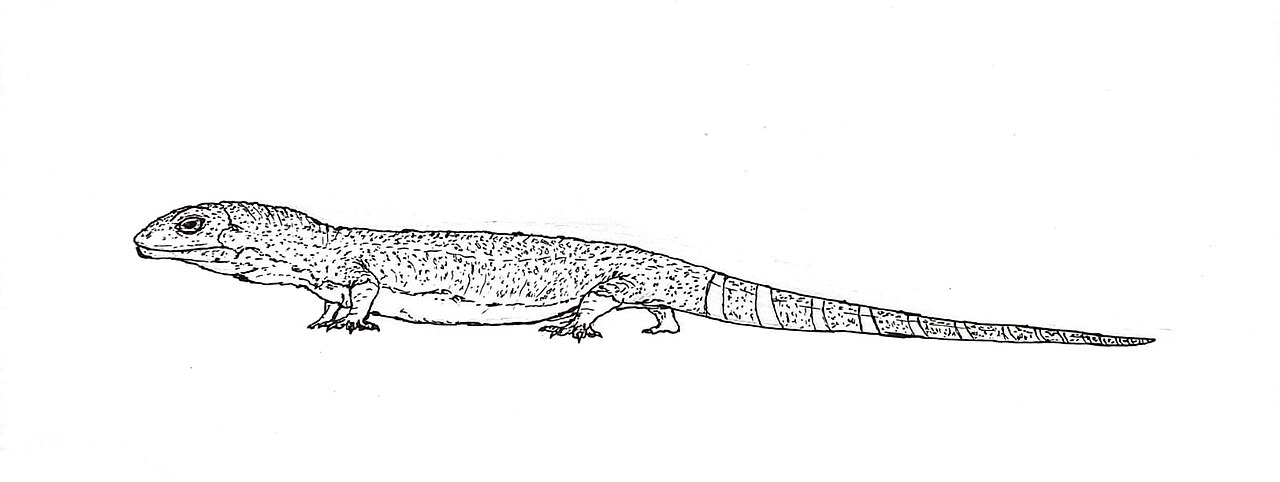


Characteristics
As with other caecilians, Sylvacaecilia has an elongated, annulated body and a head adapted for digging. Typical features include reduced eyes (often covered by skin or bone), a compact skull for burrowing, and a pair of unique sensory tentacles between the eye and the nostril used to detect chemical cues. The anatomy and external appearance reflect a life spent primarily underground or under leaf litter and soil.
Distribution and habitat
This species is endemic to Ethiopia (Ethiopia) and occupies habitats that combine terrestrial and riparian elements. Documented habitats include subtropical and tropical dry forests (dry forest zones) as well as areas near waterways. For broader habitat summaries see general habitat descriptions. Sylvacaecilia is frequently associated with:
- moist soil layers beneath forest floors
- riverbanks and spring-fed areas (rivers and springs)
- agroforestry or disturbed sites adjacent to natural vegetation
Biology and ecology
Much of the species' life history remains poorly known, a common situation for many caecilians. They are typically carnivorous, feeding on invertebrates such as earthworms, termites and other soil fauna, and play a role in soil turnover and nutrient cycling. Reproductive modes in caecilians vary across families; some lay eggs while others bear live young, and parental care is reported for several related taxa within the family Indotyphlidae.
Taxonomy and research
Sylvacaecilia is placed within the family Indotyphlidae, a group that contains several African and South Asian caecilian genera. Taxonomic work on these amphibians relies on both morphological study and genetic analysis; ongoing research aims to clarify species boundaries, distribution limits and evolutionary relationships.
Conservation and significance
Because of their secretive habits, caecilians like Sylvacaecilia are often under-represented in surveys and conservation planning. Habitat alteration, watercourse changes and soil degradation are plausible threats. Protecting the forest and riparian environments where they occur helps conserve local biodiversity and the ecological functions these burrowing amphibians provide.
For further reading and species accounts consult specialist databases and regional herpetofauna guides via institutional links such as species pages or broader compilations on caecilians and the family Indotyphlidae.
Related articles
Author
AlegsaOnline.com Sylvacaecilia — the Aleku (Ethiopian) caecilian Leandro Alegsa
URL: https://en.alegsaonline.com/art/95605
Sources
- iucnredlist.org : Sylvacaecilia grandisonae
- iucnredlist.org : 2006 IUCN Red List of Threatened Species.