
Pac-Man: the iconic 1980 arcade maze game
Pac-Man is a landmark 1980 arcade maze game by Namco; a simple but deep design with ghosts, power pellets, cutscenes and a lasting cultural legacy.
Overview
Pac-Man is a classic arcade video game created by Namco and principally designed by Toru Iwatani. First distributed in 1980, the game became a worldwide sensation and a defining example of early interactive entertainment. Its simple visual style — centered on a yellow, circular protagonist moving through a compact labyrinth — belies gameplay that has been studied and replayed for decades.
Image gallery
5 Images
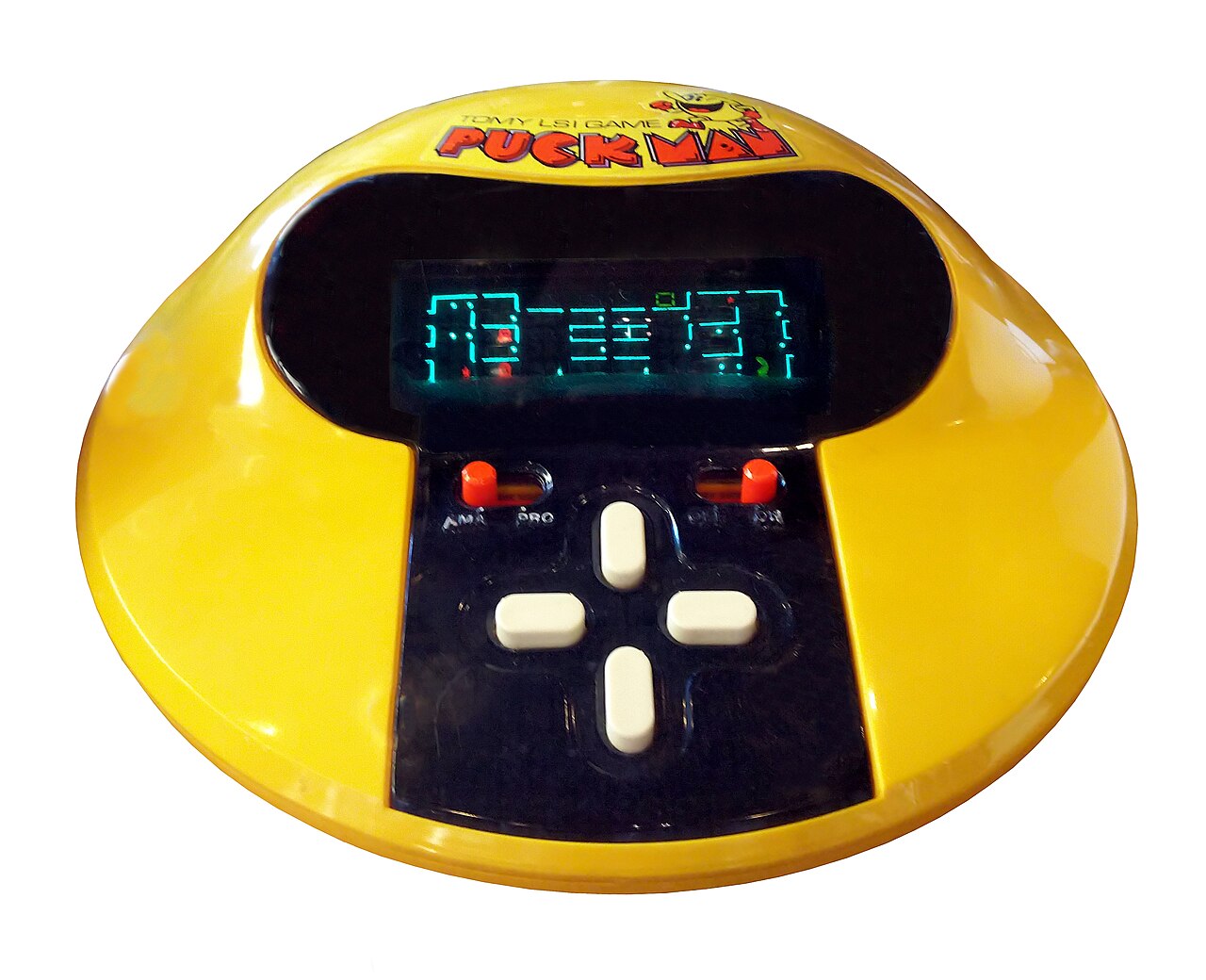


Gameplay basics
Players control Pac-Man, a small yellow disc-like character that navigates a fixed-screen maze. The immediate objective is to clear the board by eating all the small dots or pellets while avoiding contact with the four antagonists. The layout and the dot collection form the core loop: clear the maze, advance to the next level, and repeat. Occasional larger items appear and can be eaten for bonuses.
Opponents and special items
The enemies are commonly called ghosts and sometimes described as monsters; the four primary ghosts are known by names that reflect distinct behaviors. Eating one of the larger power pellets temporarily reverses the predator–prey relationship: the ghosts briefly turn blue and can be consumed for extra points. Bonus fruits or other icons also appear periodically to increase the score.
Mechanics, scoring and limits
Games typically start with three lives, with additional lives awarded at certain score thresholds. A unique technical quirk produces a so-called "split-screen" or corrupted high level in which the right half of the maze becomes garbled, effectively preventing completion beyond a particular stage. Targeted scoring and route planning are key to mastering the artificial intelligence patterns that govern ghost movement and behavior.
Origins and name
Originally released in Japan under the name Puck-Man, the title was altered for foreign markets to Pac-Man to avoid potential vandalism of arcade cabinets. Iwatani drew inspiration from everyday shapes and foods when creating Pac-Man, aiming for a nonviolent concept that would attract a broad audience, including players who had not traditionally visited arcades.
History, innovation and legacy
Pac-Man was notable for several design innovations, including nonviolent competition, multiple enemy characters with distinct movement rules, and brief narrative interludes that served as early cutscenes. The game quickly spawned numerous sequels and remakes, inspired animated adaptations produced by companies such as Hanna-Barbera, and reached television audiences via a Saturday morning TV show that aired on networks including ABC. Pac-Man has been ported and reissued in many compilations and modern formats, including collections like Namco Museum Remix for systems such as the Wii.
Enduring significance
Beyond commercial success, Pac-Man influenced game design by emphasizing pattern recognition, risk–reward decisions, and character-driven antagonists. Its simple rules make it accessible while its emergent challenge rewards study; these qualities helped it enter popular culture, spawn merchandise, and remain a frequent subject of retrospectives and academic commentary.
- Core concept: maze navigation and dot collection (maze, pellet).
- Key designer and company: Toru Iwatani at Namco.
- Notable features: power pellets that turn ghosts blue, early cutscenes, memorable characters.
- Legacy media: animated series by Hanna-Barbera and home compilations like Namco Museum Remix.
For historical summaries, hobbyist walkthroughs and modern ports, see assorted retrospective resources and collections that document Pac-Man's development, its sequels, and the design lessons it continues to teach new generations of players.
Additional links and references are available through archived articles and curated collections dedicated to arcade history and game design theory; they provide further reading on release dates, technical details and the many ways Pac-Man has been adapted and remembered over time. Circle representations, cultural analyses and listings of ports are commonly included in those archives.
For more information on adaptations, reissues and platform-specific editions consult relevant editions and compilations; these sources document the breadth of Pac-Man-related media beyond the original arcade hardware and show how a simple yellow character became one of the most recognizable icons in video game history.
Related articles
Author
AlegsaOnline.com Pac-Man: the iconic 1980 arcade maze game Leandro Alegsa
URL: https://en.alegsaonline.com/art/73897
Sources
- puckman.net : "Midway acquired the rights to Puckman for America"