
Sundiata Keita: Founder of the Mali Empire
Overview of Sundiata Keita (c.1210–c.1260), his rise from exile to mansa, the Battle of Kirina, state formation, cultural synthesis, and lasting legacy in West African history.
Overview
Sundiata Keita is remembered as the founder of the medieval Mali Empire and as a central figure in West African oral tradition. Often given the title mansa (emperor or king), he is celebrated in the Epic of Sundiata, a keystone of Mandinka storytelling. Historical estimates place his life roughly between 1210 and 1260. While precise documentary records are limited, a combination of oral history, later written chronicles and archaeological evidence provides a consistent narrative of his emergence, military victories and the consolidation of a powerful West African state.
Image gallery
3 Images

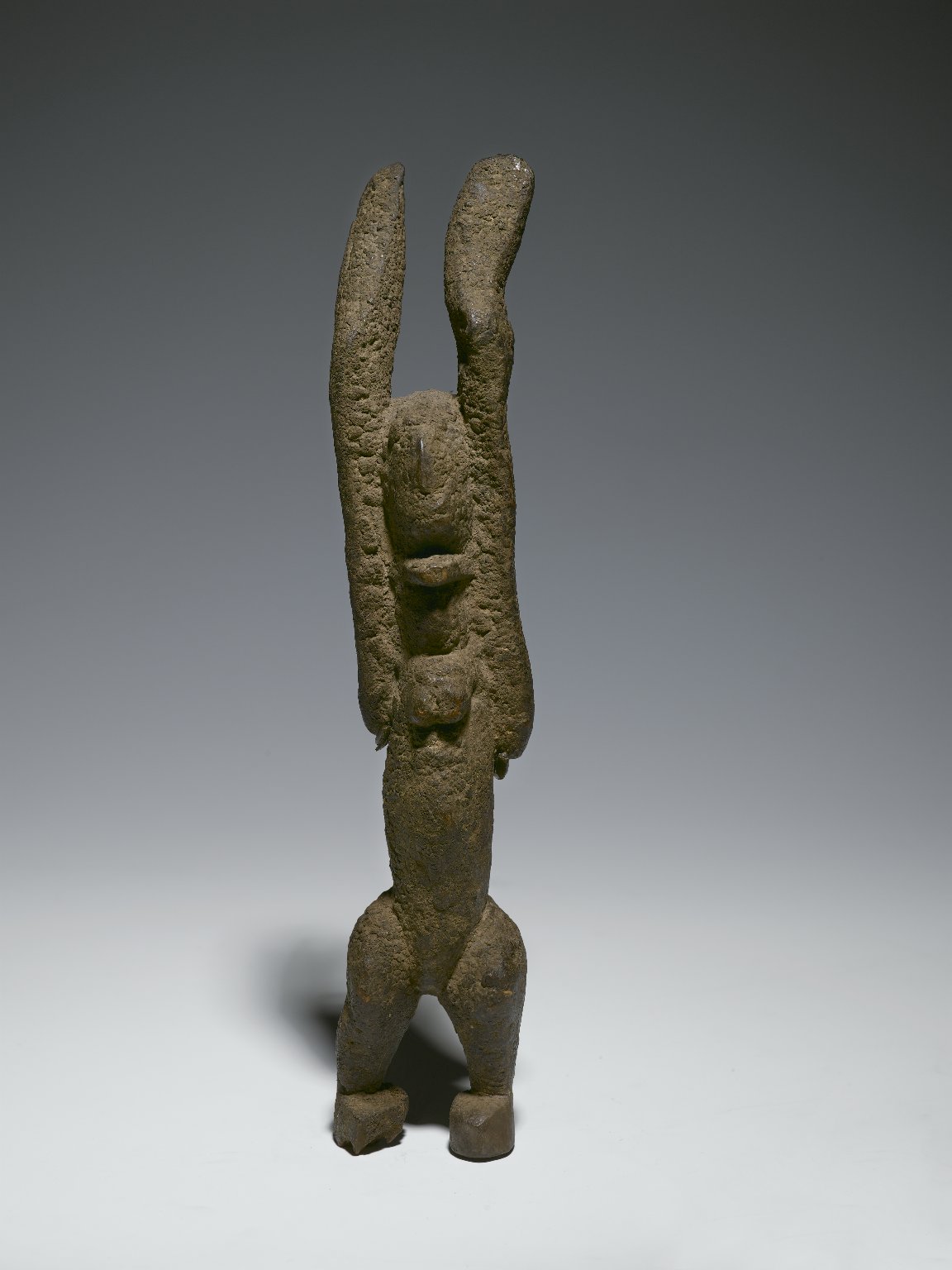
Origins and early life
Sundiata is said to have been born to Naré Maghann Konaté, a local Mandinka ruler. According to tradition, he faced physical disability in childhood and endured a period of political danger that forced his family into temporary exile. This exile, described in oral sources, set the stage for a classical heroic narrative: a young leader who returns to liberate his people. The Mandinka people, who preserved his story, view his life both as history and as a foundation myth explaining the emergence of wider political unity in the region.
Rise to power and the Battle of Kirina
In the early thirteenth century the Mandinka polities confronted external pressure from rising regional powers. After the decline of the Ghana state, several successor states vied for control; one of these was the Sosso polity. Traditional accounts describe how Sundiata rallied allies and assembled an army that defeated the Sosso ruler Soumaoro Kanté in the decisive Battle of Kirina around 1235. This victory is presented as the turning point that allowed Sundiata to establish centralized authority over a large territory and to lay the foundations of what became the Mali Empire.
State formation, economy and religion
Under Sundiata and his successors the realm expanded by incorporating neighboring peoples and controlling key economic corridors. The domain benefited from control over major West African gold producing areas and from its position on important trans-Saharan trade routes. The administration combined lineage-based governance with military and commercial institutions that helped maintain order and facilitate tribute and trade. Religious practice in the realm reflected a pragmatic mix: rulers and communities incorporated elements of Islamic practice while continuing indigenous ritual systems and cosmologies tied to traditional African beliefs. This synthesis helped the polity manage relations with Muslim traders and scholars while maintaining local legitimacy.
Characteristics and achievements
- Political consolidation of diverse Mandinka chiefdoms into a centralized monarchy under a mansa.
- Military success against the Sosso and other rivals, notably the expulsion or defeat of Soumaoro Kanté (Soumaoro).
- Economic integration of gold fields and caravan trade networks, enhancing wealth and urban growth.
- Cultural patronage and the formalization of court rituals preserved in oral literature such as the Epic.
- Enduring identity for the Mandinka people and broader influence across West Africa.
Legacy and historical perspectives
Sundiata's importance lies both in his probable role as an effective regional ruler and in the story that became central to Mandinka identity. The epic that carries his name blends verifiable events with symbolic episodes—exile, miraculous growth, alliance-building and triumph—which have made Sundiata a cultural hero beyond pure politics. Later Mali rulers built on his foundations to create a state that, at its height, rivaled the great polities of contemporary Africa for wealth and influence. He is therefore significant for political historians, students of oral tradition and anyone interested in premodern African statecraft.
Sources, memory and modern study
Primary information about Sundiata comes from oral tradition transmitted by griots and from later Arabic chronicles that sometimes mention Mali and its rulers. Modern historians combine these sources with archaeological findings to form cautious reconstructions of events. Interpretations often distinguish the historical Sundiata—an influential leader who consolidated power—from the epic Sundiata, a legendary figure whose life story conveys social values and legitimizes institutions. For further thematic reading see resources on the Ghana Empire, the wider dynamics of medieval West African polities and studies of exile narratives (exile) and hero-founders. Additional overviews can be found in works addressing the development of trade networks (trans-Saharan trade), the role of gold (gold) in state wealth, and the interaction of Islam with traditional religious systems.
For those seeking more detail, the story of Sundiata intersects with studies of the region’s ethnolinguistic groups, such as the Mandinka, and with scholarship exploring the historical figures like Soumaoro Kanté. The name and legacy of Sundiata continue to be celebrated across communities whose histories were shaped by the political transformations of the thirteenth century. Researchers often consult both oral performances and written accounts to understand how memory and history combine in the construction of West Africa’s medieval past. See also introductory materials on the Mali Empire and comparative studies of rulership and state formation in the region (mansa, epic traditions).
Related articles
Author
AlegsaOnline.com Sundiata Keita: Founder of the Mali Empire Leandro Alegsa
URL: https://en.alegsaonline.com/art/94891