
Trans‑Saharan trade
Overland trading networks linking North Africa, the Sahara and the Sahel; central to gold–salt exchange, caravan logistics, the spread of Islam, and the rise of West African states.
Overview
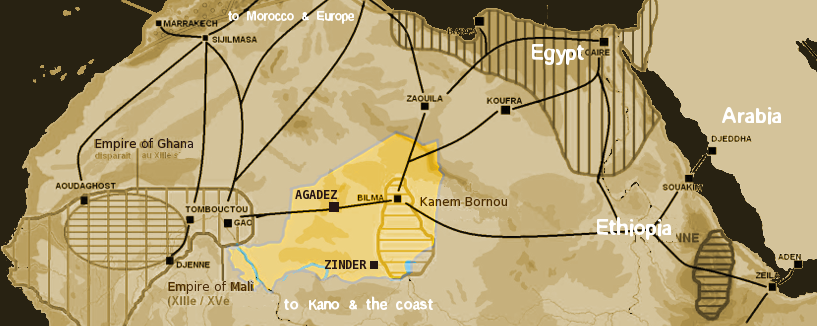
The Trans‑Saharan trade denotes a set of interconnected overland routes that crossed the Sahara Desert to link North Africa and the Mediterranean with the peoples and polities of the Sahel and West Africa. Active from antiquity and especially prominent in the medieval and early modern eras, these routes carried goods, people, religious ideas and technologies across difficult terrain by means of organized caravan travel.
Image gallery
10 Images





Routes and characteristics
Caravans followed established corridors between coastal or oasis markets and interior towns. Long‑distance transport depended on the dromedary camel, well adapted to desert conditions. Travel was planned around water sources, seasonal climate patterns and known oases; fortified trading posts, staging towns and riverine markets served as logistical hubs.
Major commodities and participants
- Commodities: gold, rock salt, ivory, kola nuts, cloth and luxury textiles, leather goods, horses and enslaved people were among the primary items exchanged.
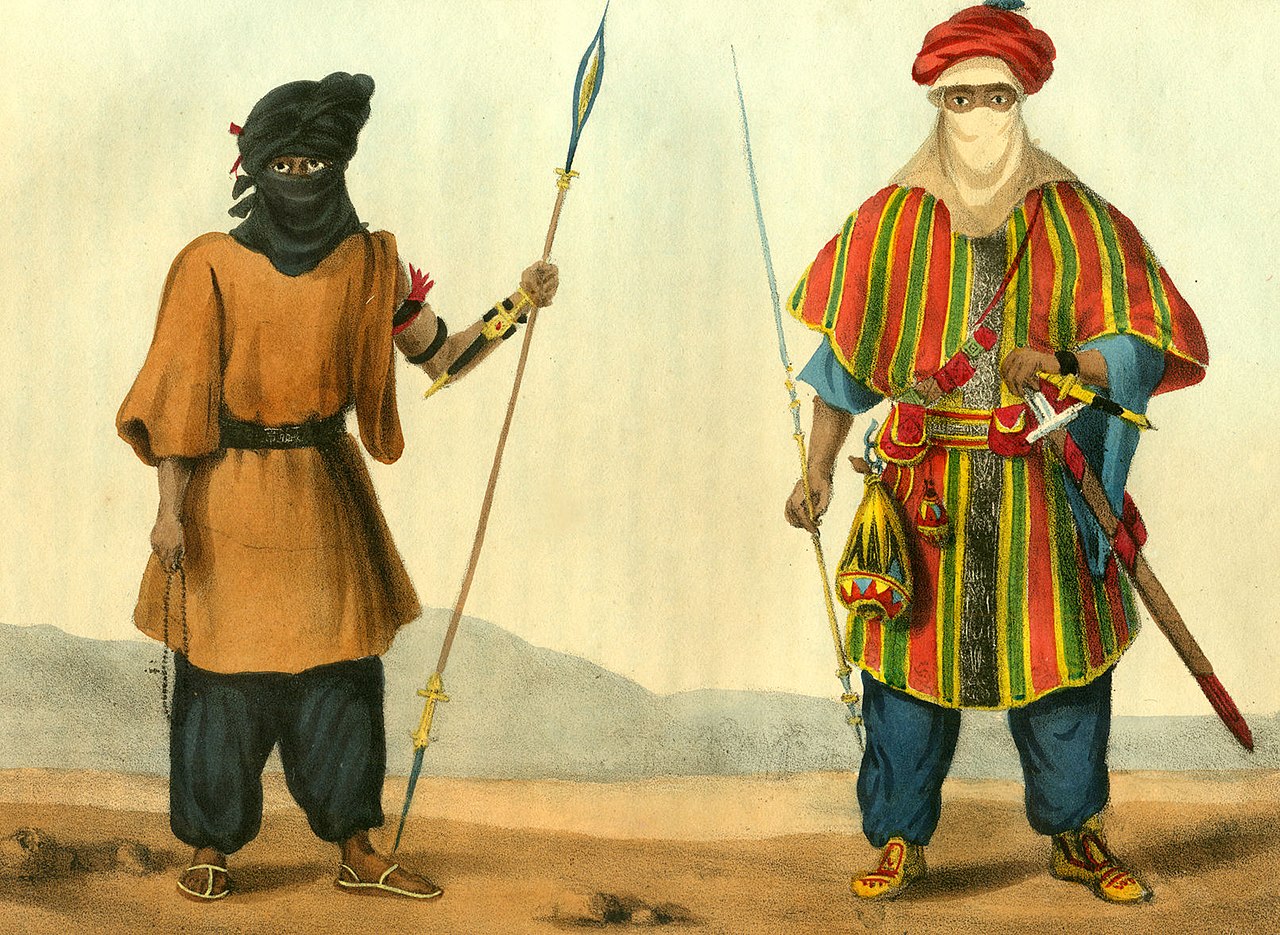
- Participants: Berber and Arab traders from North Africa, Sahelian and West African merchants and rulers, caravan crews and local producers.
Organization and logistics
Caravans could number dozens to hundreds of camels and required experienced guides, knowledge of water points and coordination with local authorities. Trade was often regulated by rulers who taxed goods or secured routes in return for protection, and merchant families and networks sustained long‑distance partnerships.
Political, cultural and intellectual impact
Trade produced concentrated wealth that supported powerful states and cities—such as early Ghana, Mali and Songhai—and allowed rulers to sponsor learning and urban development. The spread of Islam and Arabic literacy accompanied commercial links; trading towns developed manuscript cultures, schools and mosques that became regional centers of scholarship.
Decline and legacy
From the early modern period onward, Atlantic maritime trade, changing political dynamics and later colonial transport systems reduced the centrality of most overland Saharan routes. Despite this decline, the networks left enduring legacies in languages, institutions, cultural exchange and archaeological and documentary records that illuminate the history of the Sahara and West Africa.
Evidence and study
Knowledge of Trans‑Saharan trade comes from archaeology, travelers' accounts, African written sources and material culture such as coins and manuscripts. Contemporary scholarship continues to refine understanding of routes, goods and the social dimensions of caravan commerce.
Related articles
Author
AlegsaOnline.com Trans‑Saharan trade Leandro Alegsa
URL: https://en.alegsaonline.com/art/101109