
African traditional religions
Indigenous religious systems across Africa emphasizing ancestors, spirits, ritual, and communal obligations; diverse regional traditions that coexist with, influence, and adapt to Christianity and Islam.
Overview
African traditional religions is a collective term for the many indigenous faiths and spiritual practices found across the African continent. These systems are not a single organized religion but a plurality of related belief patterns that vary widely by region, language group and community. They are often cited alongside Christianity and Islam as one of the major religious strands in Africa and continue to shape social life, morality and ritual practice in both rural and urban settings. For background on the continent see Africa, and for the wider religious context see Christianity and Islam. Many surveys classify them as an important religious category in Africa's religious landscape (religious groups).
Image gallery
10 Images

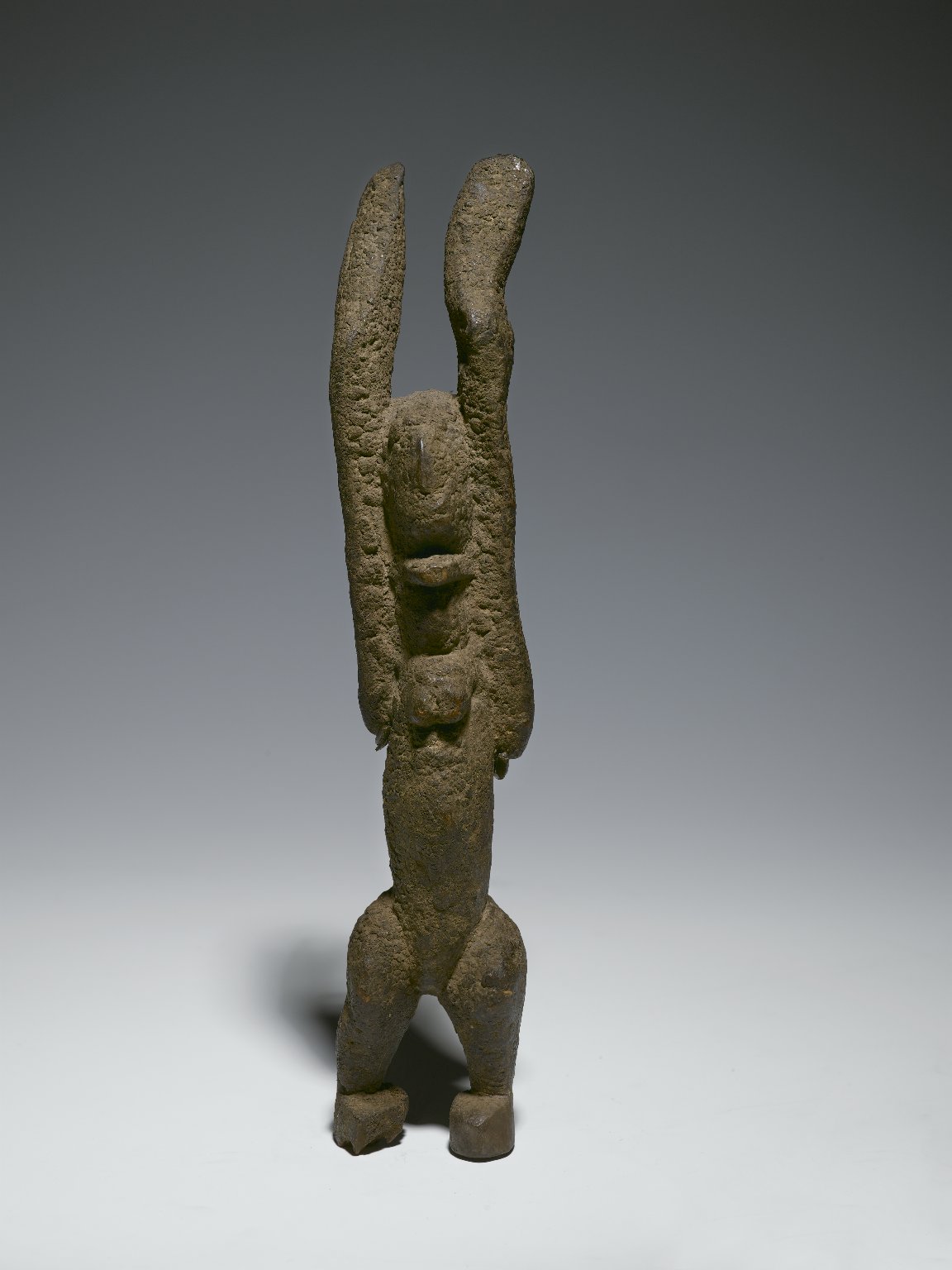


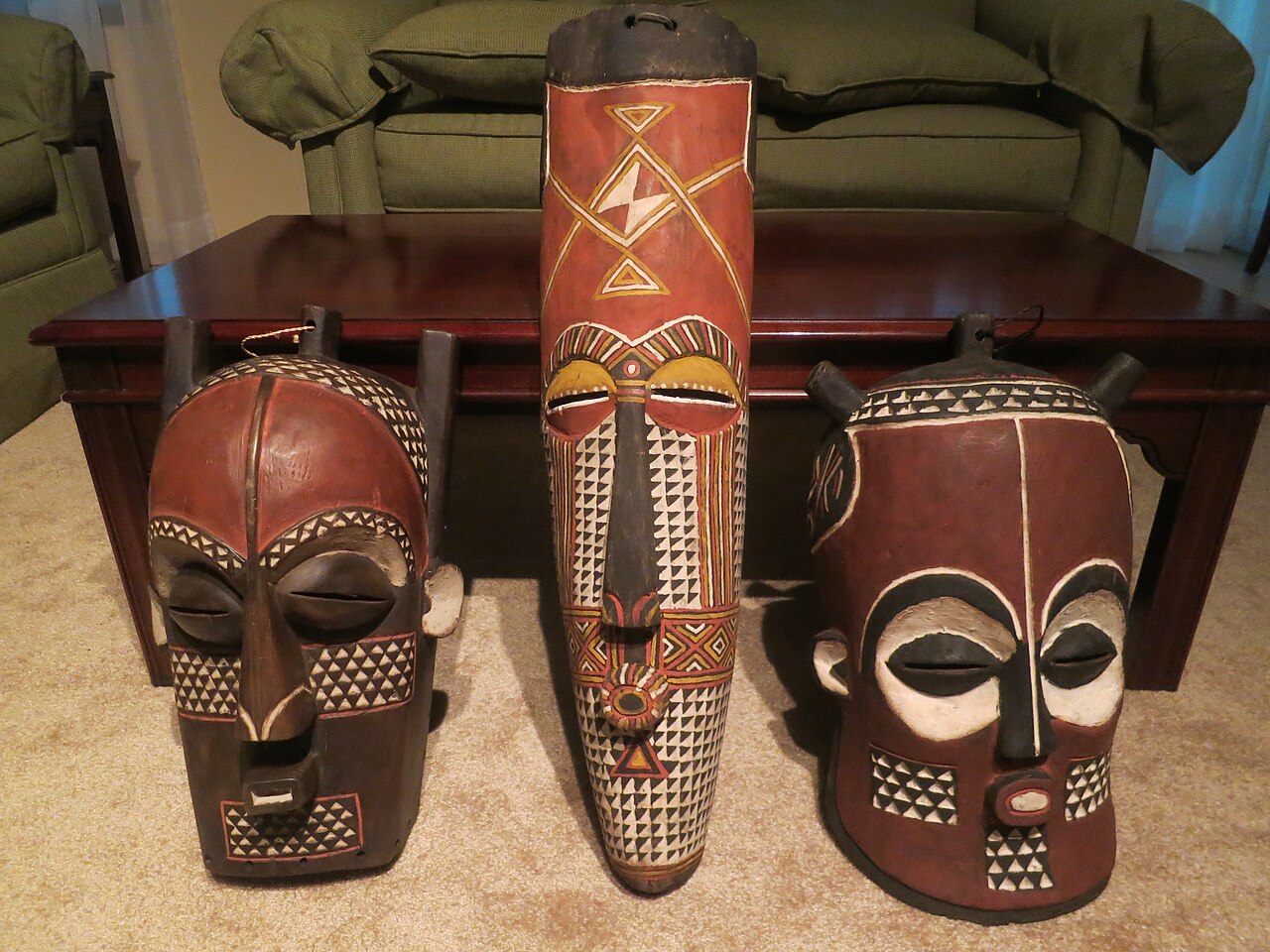


Core beliefs and practices
Although traditions differ, several recurring themes appear across many African traditional religions:
- Supreme being — a creator or high god who is often distant, complemented by a richer world of lesser spirits.
- Ancestor veneration — ancestors are active members of the community who provide protection or require attention through offerings and proper conduct.
- Spirits and the unseen — nature spirits, guardian forces and other entities influence health, fortune and community life.
- Ritual specialists — elders, diviners, healers and priests mediate between people and the spiritual world.
- rites of passage — ceremonies mark birth, adulthood, marriage, death and other life transitions.
Magic, divination and healing play practical roles in daily life and decision-making; beliefs about spiritual causation help explain misfortune or success. These systems are typically communal rather than ascetic, contrasting with traditions that promote withdrawal from ordinary life (ascetic practices).
History and development
Indigenous African religious traditions have ancient roots and developed in relation to local ecology, kinship structures and political institutions. Over centuries they have interacted with external influences — notably Islam and Christianity — producing syncretic forms and new movements. Colonial eras, missionary activity and urbanization altered practice and transmission, but many beliefs adapted or persisted within families and communities. Where change occurred, it frequently took the form of combining elements from indigenous systems with teachings from introduced religions.
Social functions and contemporary relevance
African traditional religions perform multiple social functions: they codify moral responsibilities, regulate relationships, legitimize leadership, and provide healing and conflict resolution. Rituals mark communal identity and maintain continuity with the past. In contemporary life these traditions influence art, music, law, and popular spirituality; they also inform newer religious movements and local variants of global faiths. A continuing feature in many areas is the use of diviners and healers to address practical problems, including illness and disputes.
Regional variation and notable distinctions
Practices vary greatly between regions — West African systems differ from Central, East or Southern African traditions in cosmology, ritual specialists and social roles. Some communities emphasize political ritual and sacred kingship, others focus on secret societies or age-grade institutions. While conversions do occur, many families maintain indigenous practices alongside converted faiths, and syncretism remains common. Anxiety about spirits, and concern for proper ritual behavior, can coexist with strong social celebrations and life-affirming customs — a balance that resists simple categorization and highlights the diversity of these living traditions (beliefs about magic and spirit).
For further reading and comparative perspectives see regional studies and overviews that treat these traditions both on their own terms and as part of Africa's broader religious history. Local scholarship and community accounts are particularly valuable for understanding specific practices and meanings.
Related articles
Author
AlegsaOnline.com African traditional religions Leandro Alegsa
URL: https://en.alegsaonline.com/art/1276