
Ghana Empire (Wagadu) — medieval West African state
West African medieval empire, often called Wagadu, centered on Koumbi Saleh. Known for trans-Saharan gold–salt trade, mixed religious culture, and influence on later Sahelian states. Not the modern country Ghana.
Overview: The Ghana Empire, also known by the historic name Wagadu, was a powerful West African polity that controlled parts of the southern Sahara and the Sahel for several centuries in the first and second millennia CE. It should not be confused with the modern nation of Ghana. The realm emerged in the mid-first millennium and reached prominence as an intermediary between Saharan traders and forest regions, accumulating wealth through control of trade routes and access to gold resources. The empire's principal urban center was the capital at Koumbi Saleh (Koumbi Saleh), described in medieval Arabic accounts as a large and prosperous settlement.
Image gallery
10 Images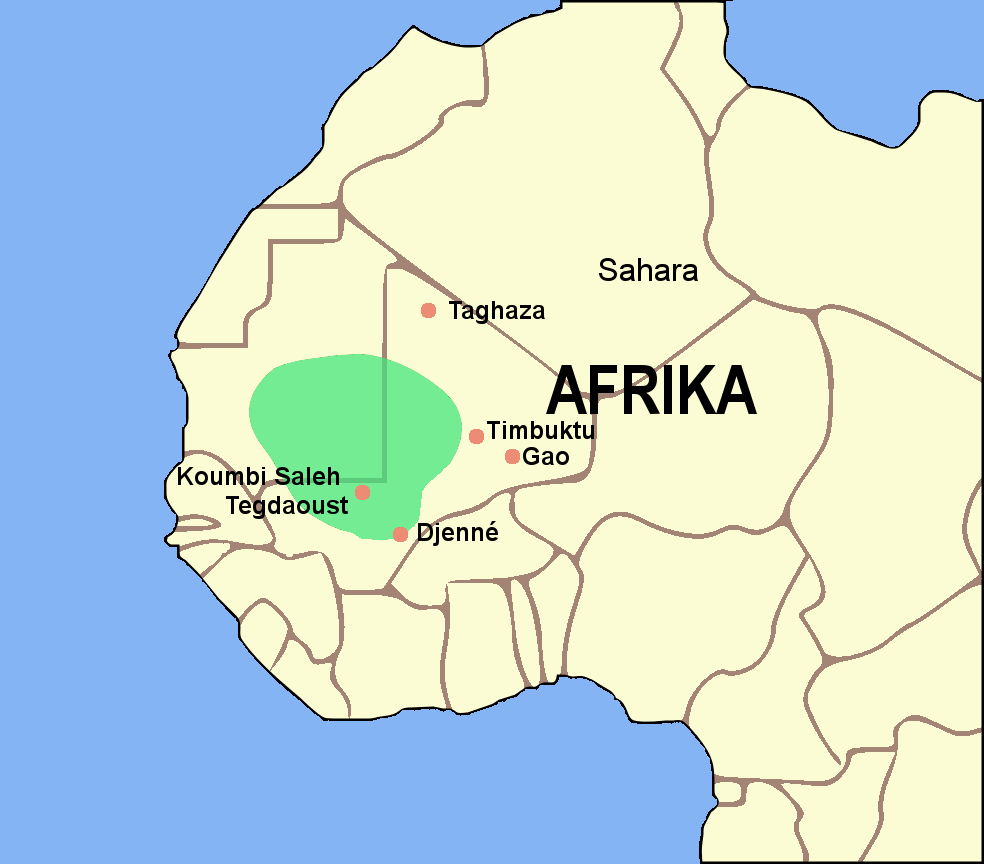






Territory and political organization
At its height the Ghana state encompassed territory in parts of present-day southeastern Mauritania (Mauritania), western Mali (Mali) and eastern Senegal (Senegal). The ruling institution was a monarchy headed by a king often referred to in sources by titles translated as "ghana" or "king of gold". Power appears to have been exercised through a combination of royal control over trade and tribute, local chieftains, and a court that mediated relations with merchant communities. Medieval Arabic writers report that the capital displayed distinct quarters for different communities, including Muslim traders and the royal compound.
Economy and trade
The empire's prosperity rested largely on the trans-Saharan trade network. Ghana controlled or taxed caravans transporting gold from the forest zones to northern markets and salt from Saharan deposits into the interior. Other goods included kola nuts, ivory, and slaves. Markets and long-distance trade brought Muslim merchants into contact with local elites; while Islam spread among traders and some officials, the court and much of the population continued practices rooted in indigenous belief systems for many generations.
History and decline
Sources indicate the state became prominent by the early medieval period, benefiting from shifting trade dynamics across the Sahara. Its decline began between the 11th and 13th centuries and scholars point to several contributing factors: pressure from northern movements such as the Almoravids (a mid- to late-11th-century Islamic reformist group whose campaigns may have disrupted trade and politics), internal political fragmentation, environmental changes affecting pastures and routes, and the emergence of rival powers that redirected commerce, notably the Mali polity to the southeast.
Legacy and significance
The Ghana Empire is significant for demonstrating how control of trade arteries and natural resources could generate urbanization and complex state structures in precolonial West Africa. Its interaction with Muslim traders helped lay the foundations for wider Islamic learning and literacy in the Sahel, even where traditional religions remained influential. Later West African empires built on the political and commercial frameworks that Ghana helped establish.
Key characteristics
- Strategic control of trans-Saharan trade routes and taxation systems.
- Economic base centered on gold and salt exchange between forest and Saharan regions.
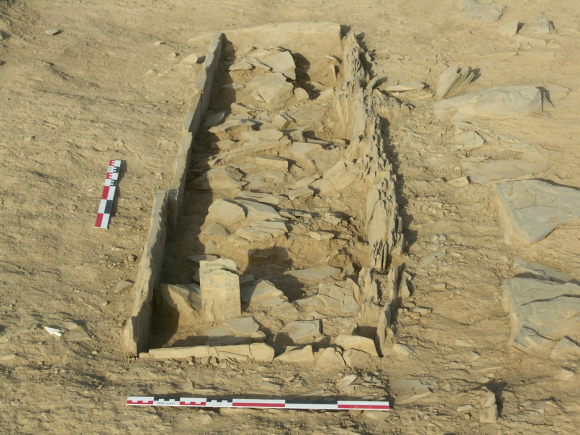
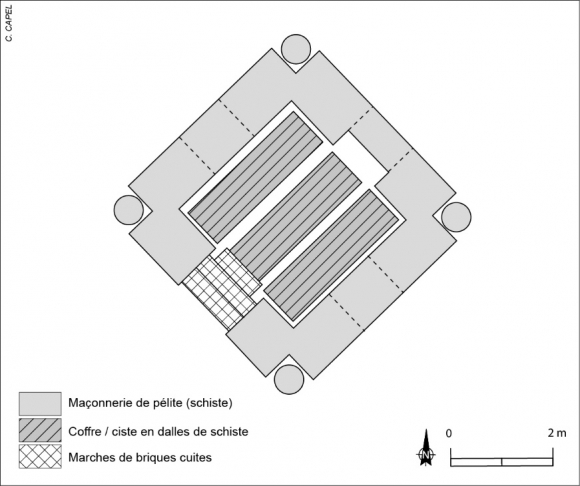
- Urban capital at Koumbi Saleh with a mix of religious and commercial quarters.
- Monarchical governance with networks of subordinate local authorities.
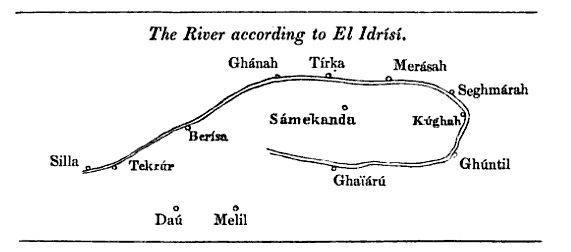
For further reading and primary medieval accounts, follow specialist archaeological and historical studies that investigate Koumbi Saleh’s remains and the Arabic chronicles that document West African polities. See also resources on neighboring regions and successor states for broader regional context.
Related articles
Author
AlegsaOnline.com Ghana Empire (Wagadu) — medieval West African state Leandro Alegsa
URL: https://en.alegsaonline.com/art/38611