
Mali Empire: West African state of the Niger bend and its cultural legacy
Medieval West African polity centered on the Niger River valley (traditionally c. 1235–1645). Noted for wealth, trade in gold and salt, Islamic scholarship at Timbuktu, Sudano-Sahelian architecture, and oral historical traditions.
Overview
The Mali Empire was a powerful West African polity that dominated much of the Niger River bend in the medieval period. Traditional chronologies place its rise in the early 13th century and its decline in the 17th century; it is commonly dated from about 1235 to 1645. The state grew from the political consolidation of Mandinka (Manding) peoples and is frequently referred to as the Manding Empire or Manden Kurufa. Its core territory included present-day portions of Mali, Mauritania, Senegal, Guinea and surrounding areas. The empire is best known in global memory for its immense wealth under certain rulers, for the famous pilgrimage of Mansa Musa, and for playing a central role in the diffusion of Islam, trade networks and urban culture across the western Sahel.
Image gallery
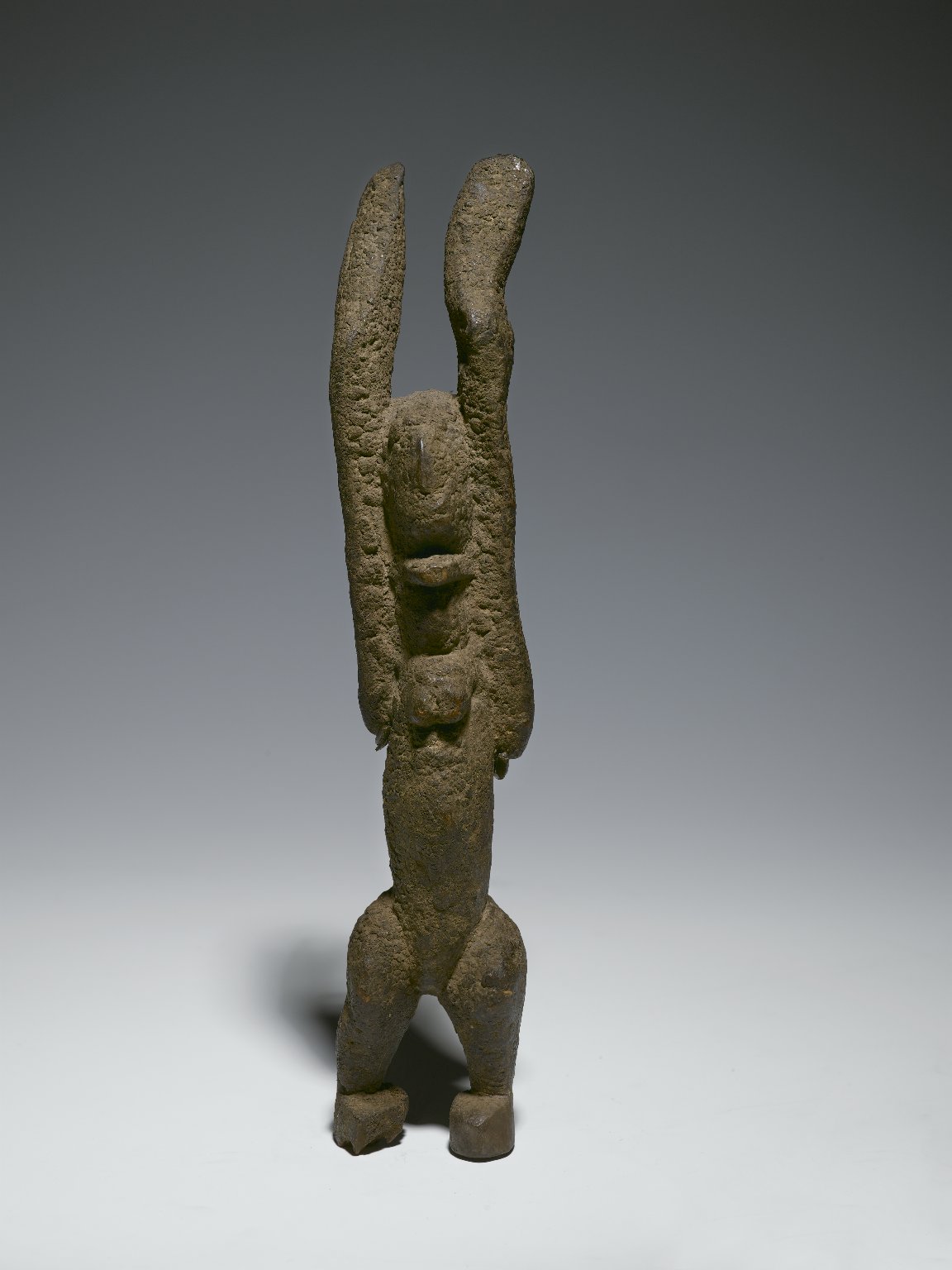
10 Images




Political structure and society
Mali was a patrimonial monarchy centered on an imperial capital (frequently identified in chronicles as Niani) and a series of subordinate provincial chiefs. Authority rested with the mansa (emperor), who combined military, judicial and religious functions, and with a network of local leaders who retained considerable autonomy. Society was stratified but mobile: free farmers, specialized artisans, traders, enslaved people, and court elites all formed part of the political economy. Oral historians — known as griots — preserved genealogies, laws and founding stories; these oral traditions remain a primary source for much of what modern historians know about the empire. The empire also served as a locus for Manding language and customary law to spread along trade corridors and riverine communities, particularly along the Niger River.
Economy and trade
The Mali Empire’s prosperity depended on long-distance commerce and control of key resources. Gold from mines in the forested regions to the south, and salt brought from Saharan deposits, were two pillars of its wealth. Mali’s cities — notably Timbuktu, Gao (at times contested), Djenné and the imperial centers — operated as hubs in the trans-Saharan trade that linked West Africa to North Africa and the Mediterranean world. Caravans carrying gold, kola nuts, salt, cloth and other goods moved along established routes; coastal and riverine trade within the interior also fed the urban markets. Muslim and non-Muslim traders interacted in these markets, and accounts by medieval Arab historians stress both the scale of trade and episodes in which large transfers of gold reportedly affected markets beyond West Africa.
Culture, religion and learning
Islam became an important influence within Mali from the 13th century onward, introduced principally through commerce and diplomacy. Many rulers and urban elites adopted Islam while rural communities continued customary beliefs, producing a syncretic religious landscape. Mali’s cities became important centers of Islamic learning, especially Timbuktu, where madrasas and libraries collected manuscripts in law, astronomy, theology and literature. The Sankoré mosque-university and private schools attracted students and scholars from across West Africa and beyond, contributing to a reputation for scholarship that lasted for centuries. At the same time, oral literature — epic songs, proverbs and histories performed by griots — preserved local memory and complemented written scholarship.
Architecture, arts and notable features
Architectural expression in the Mali Empire adapted local Sahelian building traditions into what is now called the Sudano-Sahelian style: mud-brick (adobe) walls, timber beams projecting from façades, and tapered buttresses. The Great Mosque of Djenné and the mosque complexes of Timbuktu exemplify this style, though surviving buildings often date from later reconstructions that layered new techniques over older forms. Mali’s material culture included fine leatherwork, metalworking, textile weaving and the production of illustrated manuscripts. The empire’s oral and material outputs helped shape regional identity and left behind a legacy of monuments and written collections that scholars and visitors study today.
Decline and historical significance
From the late 14th century onward, Mali began to lose its coherence through a combination of internal pressures, succession disputes, and the rise of competing states that contested control of trade routes and provinces. Military setbacks and the reorientation of commerce also contributed to gradual fragmentation; by the 17th century the empire’s authority had largely receded. Despite this, Mali’s historical role is substantial: it consolidated trade networks, fostered urban scholarship and architecture, and transmitted cultural and legal customs across a broad region. The figure of Sundiata Keita, who is credited with founding the state, remains central in oral histories (Sundiata), while the famous pilgrimage of Mansa Musa in the 14th century continues to symbolize the empire’s peak. For further reading on Mali’s art, urban centers and manuscripts see specialized studies and digitized collections linked through academic portals and heritage sites (West Africa resources).
- Origins: Emerged from Manding polities in the Niger bend.
- Economy: Based largely on gold, salt and trans-Saharan trade.
- Religion: Islamized elites; syncretic practice across the countryside.
- Legacy: Centers of learning (Timbuktu), distinctive mud-brick architecture, and a living tradition of oral history.
Related articles
Author
AlegsaOnline.com Mali Empire: West African state of the Niger bend and its cultural legacy Leandro Alegsa
URL: https://en.alegsaonline.com/art/61013