
Soumaoro Kanté: 13th-century Sosso ruler and antagonist of the Sundiata epic
Soumaoro Kanté (Sumanguru) was a 13th-century king of the Sosso, remembered both as a powerful conqueror in West African history and as the villainous, semi‑supernatural antagonist of the Epic of Sundiata.
Soumaoro Kanté, also recorded as Sumanguru Kanté, was the principal ruler of the Sosso people in the late 12th and early 13th centuries. He emerges in written and oral sources as a dominant military leader who expanded Sosso influence across parts of the western Sudan after the decline of the Ghana Empire; this wider regional context is discussed in studies of the Ghana Empire and its successors.
Image gallery
3 Images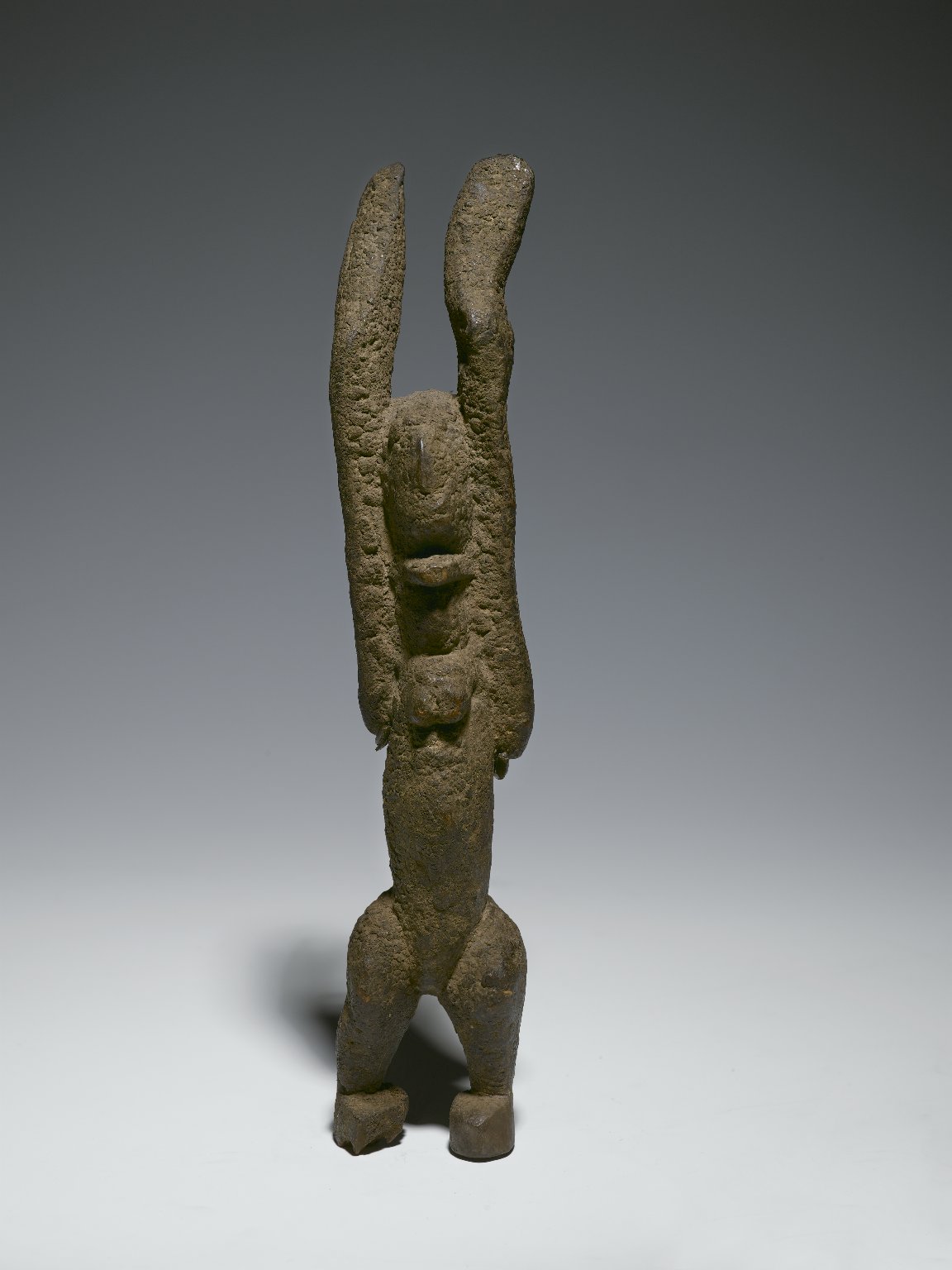


Territory, expansion and historical footprint
Archaeological and documentary evidence suggests the Sosso kingdom consolidated power in the decades following Ghana’s fragmentation. Soumaoro is credited with capturing old urban centres such as Koumbi (often identified with Koumbi Saleh) and imposing Sosso rule over neighbouring peoples. According to traditional accounts, he exercised authority over several smaller polities and fought campaigns that brought him into direct conflict with the Mandinka states of the middle Niger region; these Mandinka encounters are highlighted in accounts about the region’s changing political map in the early 1200s (Mandinka).
Legend, the Epic of Sundiata, and supernatural imagery
Soumaoro’s reputation is heavily shaped by the Epic of Sundiata, an oral epic preserved by Mandinka griots. In that tradition he appears as the primary antagonist: a sorcerer‑king whose powers are extraordinary. The epic and later retellings attribute supernatural traits to him — for instance, uncanny strength and more lurid motifs such as multiple heads rising above his own — motifs discussed in analyses of the Epic of Sundiata and texts about supernatural figures in West African oral literature (supernatural).
Conflict with Sundiata Keita and the rise of Mali
Stories related to the Mandinka prince Sundiata Keita describe how Soumaoro defeated or displaced several rulers and reportedly killed many royal heirs, leaving one surviving son, Sundiata. Though Sundiata spent years in exile, he later rallied a coalition of smaller kingdoms and warriors. In Mandinka memory Sundiata’s victory over Soumaoro at Kirina is the decisive event that permitted the formation of the Mali state; modern summaries connect Sundiata’s leadership to the foundation of the Mandi��a founder and the early Mali polity often dated to the early 13th century (Mali Empire).
Rule, administration and portrayal as a tyrant
Oral traditions and some external observers portray Soumaoro as a harsh and extractive ruler. He is depicted as exacting heavy tribute in gold, livestock and food, as taking people into servitude, and as suppressing possible rivals with lethal force. These depictions have led to his frequent characterization as a tyrant in popular and scholarly narratives (tyranny, taxation and exactions). At the same time, historians caution that epic rhetoric and later political motives shaped hostile portrayals.
Legacy and historical interpretation
Soumaoro Kanté occupies a double role in the history of West Africa: he is part of the political sequence that reconfigured power after Ghana, and he is a central figure in a foundational piece of Mandinka oral literature. Scholars approach him through both archaeological and comparative literary methods, seeking to disentangle military and administrative realities from symbolic and moral storytelling. Contemporary interest in Soumaoro ranges from regional history to studies of myth, leadership, and the processes by which oral traditions preserve and transform the memory of contested rulers.
Notable facts
- Alternate name: Sumanguru Kanté, common in oral sources.
- Associated events: capture of Koumbi and campaigns against Mandinka polities.
- Opposition: the Mandinka prince Sundiata Keita, later linked to the founding of Mali.
- Sources: mainly oral epic tradition supplemented by later chronicles and modern scholarship.
For further reading about the era, political transitions, and the epic tradition see general surveys and edited translations that discuss the decline of Ghana, the stories in the Sundiata epic, and broader histories of the Mali Empire. Academic discussions of Soumaoro’s portrayal as a tyrant or as a supernatural antagonist can be found in works on West African oral narrative, while ethnographic studies address the social practices behind descriptions of tribute and coercion (economic exactions, Mandinka encounters, Sundiata’s biography).
Related articles
Author
AlegsaOnline.com Soumaoro Kanté: 13th-century Sosso ruler and antagonist of the Sundiata epic Leandro Alegsa
URL: https://en.alegsaonline.com/art/92054