
Battle of Granada (1491–1492) — Fall of the Emirate of Granada
Final campaign of the Reconquista that ended Muslim rule in Iberia with Granada's surrender on 2 January 1492, reshaping Spanish politics, religion and overseas ambitions.
Overview
The Battle of Granada refers to the final military operations and formal surrender surrounding the city of Granada at the end of 1491 and the start of 1492. Often described as a siege and reduction of the last independent Muslim polity in Iberia, it pitted the Catholic Monarchs — Ferdinand II of Aragon and Isabella I of Castile — against the rulers of the Emirate of Granada. The fall of Granada marked the effective end of Al-Andalus and the completion of the Reconquista, a centuries-long process of Christian kingdoms reclaiming territory from Muslim rule.
Image gallery
9 Images




Siege, surrender and key moments
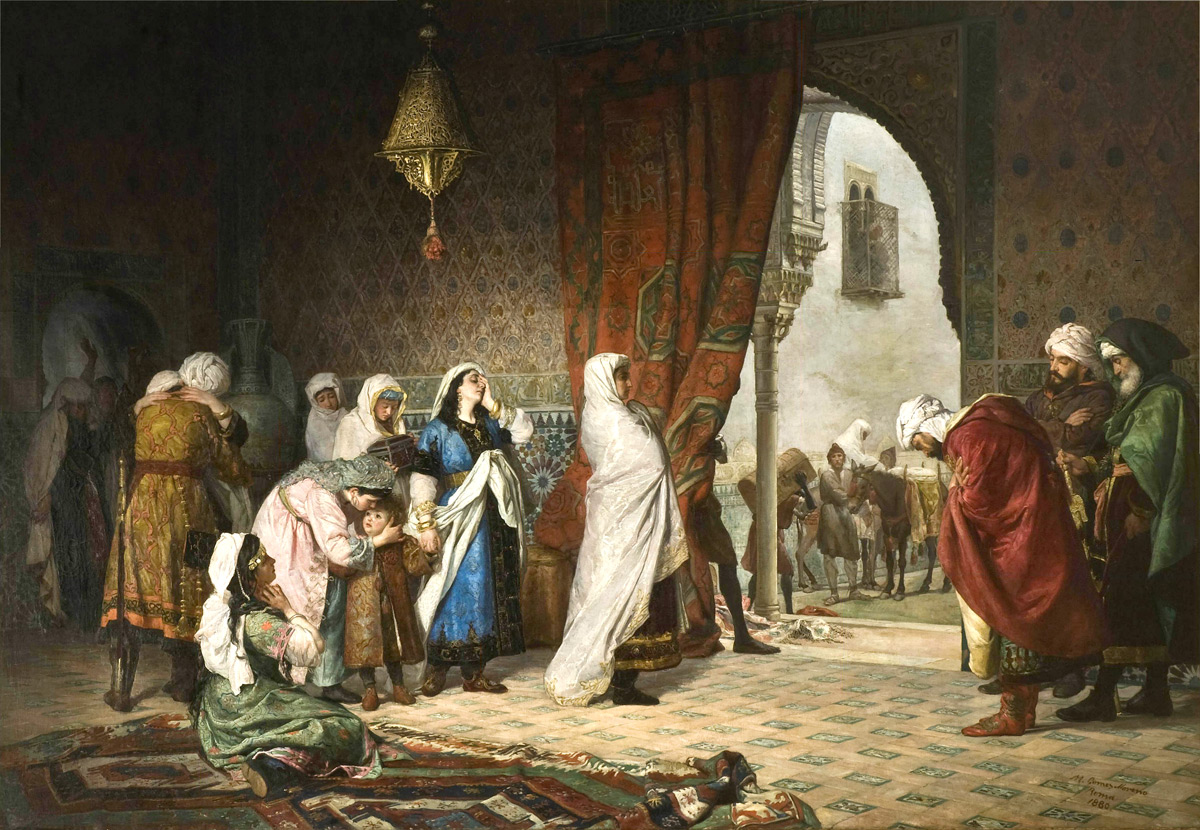
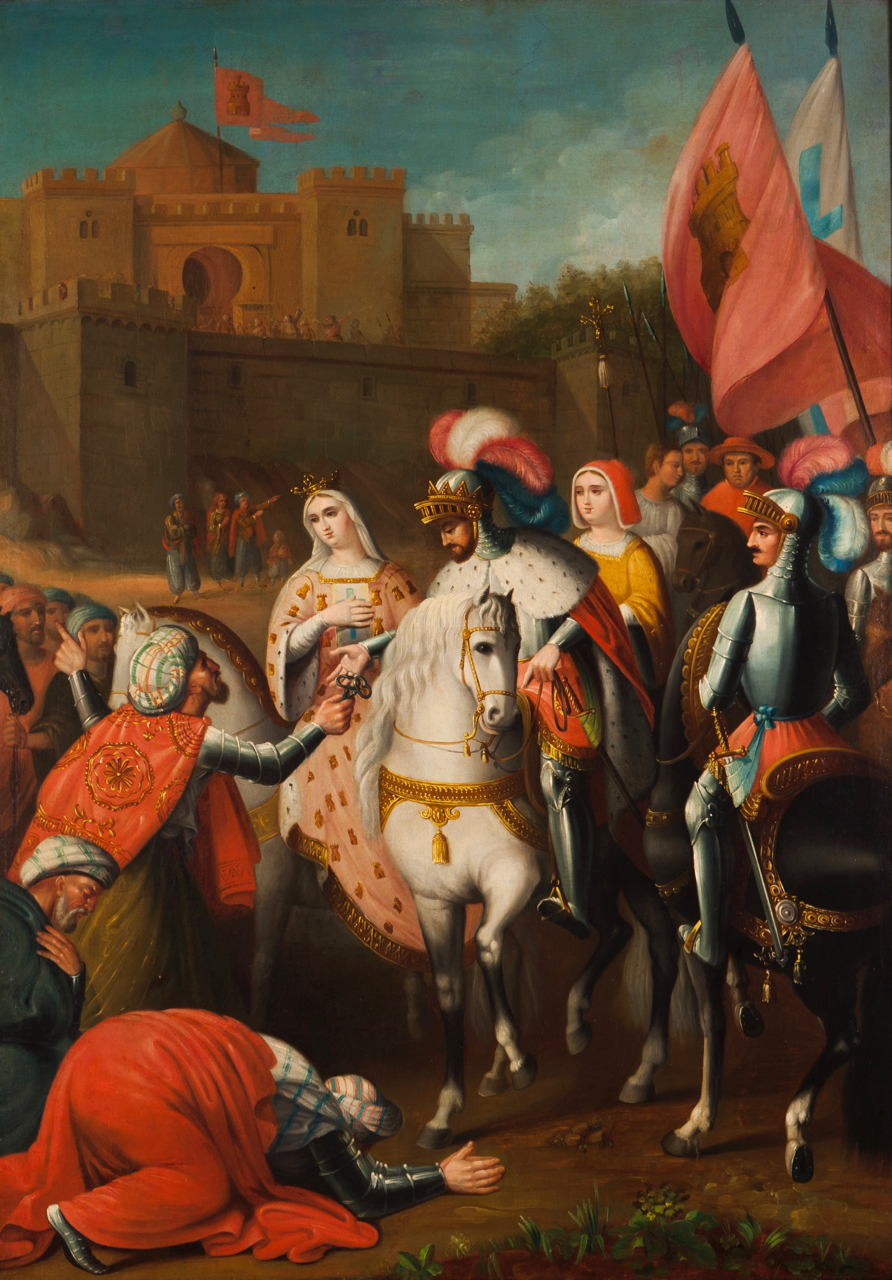
The campaign involved several months of military pressure, negotiated capitulations and limited assaults rather than a single pitched battle. After sustained operations, the last emir, Muhammad XII (commonly known by the Spanish nickname Boabdil), accepted terms and handed the city over on 2 January 1492. Contemporary accounts and later tradition describe the royal meeting in a field camp where a formal surrender was signed and the Castilian banner was raised above the Alhambra. Following the ceremony the victorious forces withdrew and the royal court returned toward the Christian political centers, eventually moving back to the court — historically associated with Madrid in later memory — as the newly unified crowns consolidated authority.
Terms, exile and population
The surrender agreements initially guaranteed certain religious and property rights for Granada's Muslim population, who had lived for generations under Muslim rule. Many Muslims remained in the region for some years, but pressure to convert and later policies eroded those guarantees. Muhammad XII and some followers left the peninsula for North Africa, while others among the Muslims of Andalusia stayed, converted or were gradually expelled. The broader European label for the defeated community — the Moors — would come to denote diverse Muslim groups once dominant in the Iberian Peninsula.
Consequences and significance
The fall of Granada had political, religious and cultural consequences. It completed the territorial aims of the Iberian Christian monarchs and helped create the centralized Spanish monarchy. The end of centuries of Muslim rule in the Iberian Peninsula changed patterns of governance, legal regimes, and demography. The new unity and prestige of the Catholic Monarchs also helped set the stage for overseas ventures later that year and in the years that followed.
Memory and debate
Granada’s surrender remains a potent historical symbol. The city marks 2 January in local commemorations (commonly called the Día de la Toma), and historians debate the cultural and moral legacies of the surrender and subsequent policies toward Muslims and Jews. The episode is studied both as a military event and as a turning point in Iberian religious and social policy.
Key facts
- Date of final surrender: 2 January 1492.
- Main Christian leaders: Ferdinand II and Isabella I.
- Main Muslim ruler: Muhammad XII (Boabdil), last emir of the Emirate of Granada.
- Notable places: city of Granada, the Alhambra, and the wider lands of Al-Andalus.
- Aftermath destinations: exile or migration to North Africa, shifts across the Iberian Peninsula.
Related articles
Author
AlegsaOnline.com Battle of Granada (1491–1492) — Fall of the Emirate of Granada Leandro Alegsa
URL: https://en.alegsaonline.com/art/9481