
Battle of Isandlwana (22 January 1879)
A decisive early engagement of the Anglo–Zulu War in which Zulu forces overwhelmed a British camp, producing heavy British losses and changing the course of the campaign.
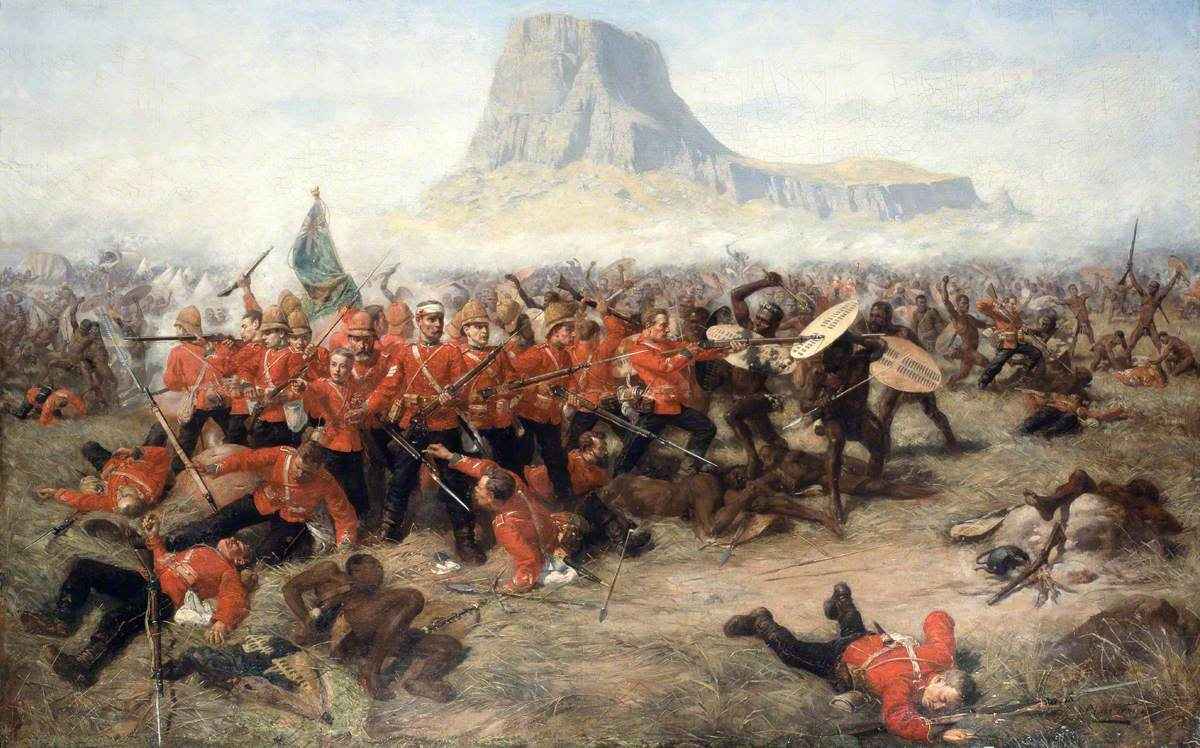
The Battle of Isandlwana, fought on 22 January 1879, was the opening large-scale land engagement of the Anglo–Zulu War. A British column operating in Zululand was surprised and broken by a Zulu army using traditional tactics of encirclement. The defeat was one of the most serious reverses suffered by a modern European army in the nineteenth century and had immediate military and political consequences.
Image gallery
10 Images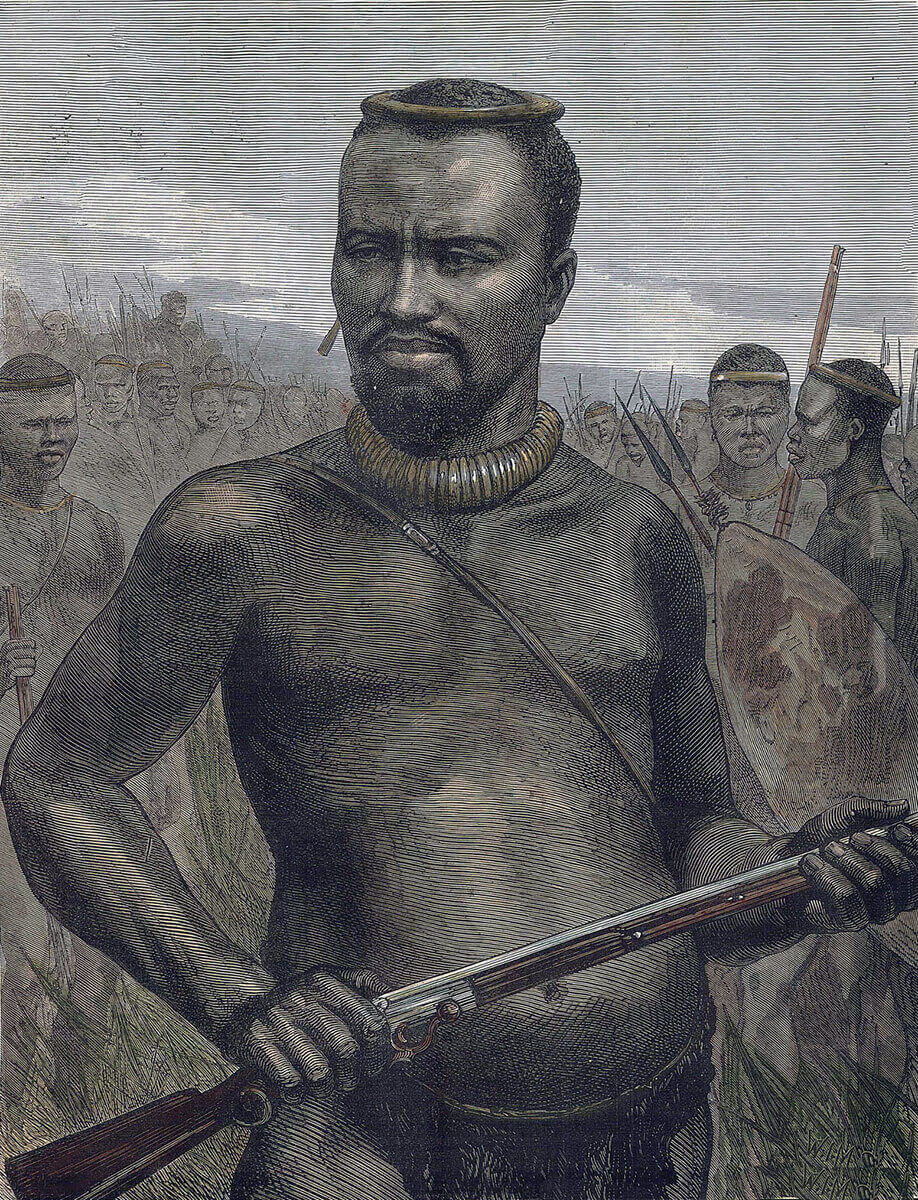

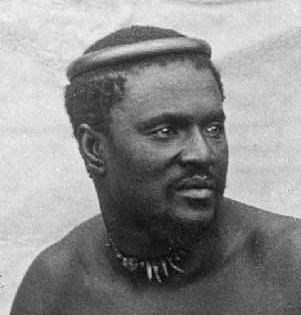


Opposing forces and key characteristics
The British force at Isandlwana consisted of regular infantry, locally raised troops and a small contingent of artillery. Units present included the 24th Regiment of Foot as a prominent constituent of the camp. The Zulu army (often called an impi) was made up of regiments mobilised by the Zulu king and regional commanders; contemporary estimates place its strength at many thousands, significantly outnumbering the British detachment. The two sides differed markedly: the British relied on rifles and rockets with linear formations, while the Zulu relied on rapid movement, close-range attacks with assegai (spears) and heavy use of disciplined, pre-arranged formations such as the famous "horns of the buffalo" encirclement.
Course of the battle
Leading up to the encounter, British command under Lord Chelmsford divided his forces for what was intended to be a rapid advance. Portions of his column were away scouting, leaving the camp at Isandlwana exposed and incompletely fortified. Zulu commanders concentrated their troops and executed a coordinated attack that moved swiftly to envelop the British position. Despite the superior firepower of the British rifles, the sheer numbers, mobility and tactical cohesion of the Zulus overwhelmed the camp. Large numbers of British and colonial soldiers were killed in the fighting and during the collapse of the defensive position.
Aftermath and significance
The immediate outcome was a decisive Zulu victory, with British casualties running into the hundreds killed and equipment lost. The defeat sent shockwaves through Britain and the colonies; it exposed flaws in British planning, reconnaissance and camp security. In the short term it produced an urgent reinforcement and reorganisation of British forces in southern Africa. The battle was followed on the same day by the much smaller but fiercely contested defence of Rorke's Drift, which received widespread attention in Britain.
Legacy, controversies and remembrance
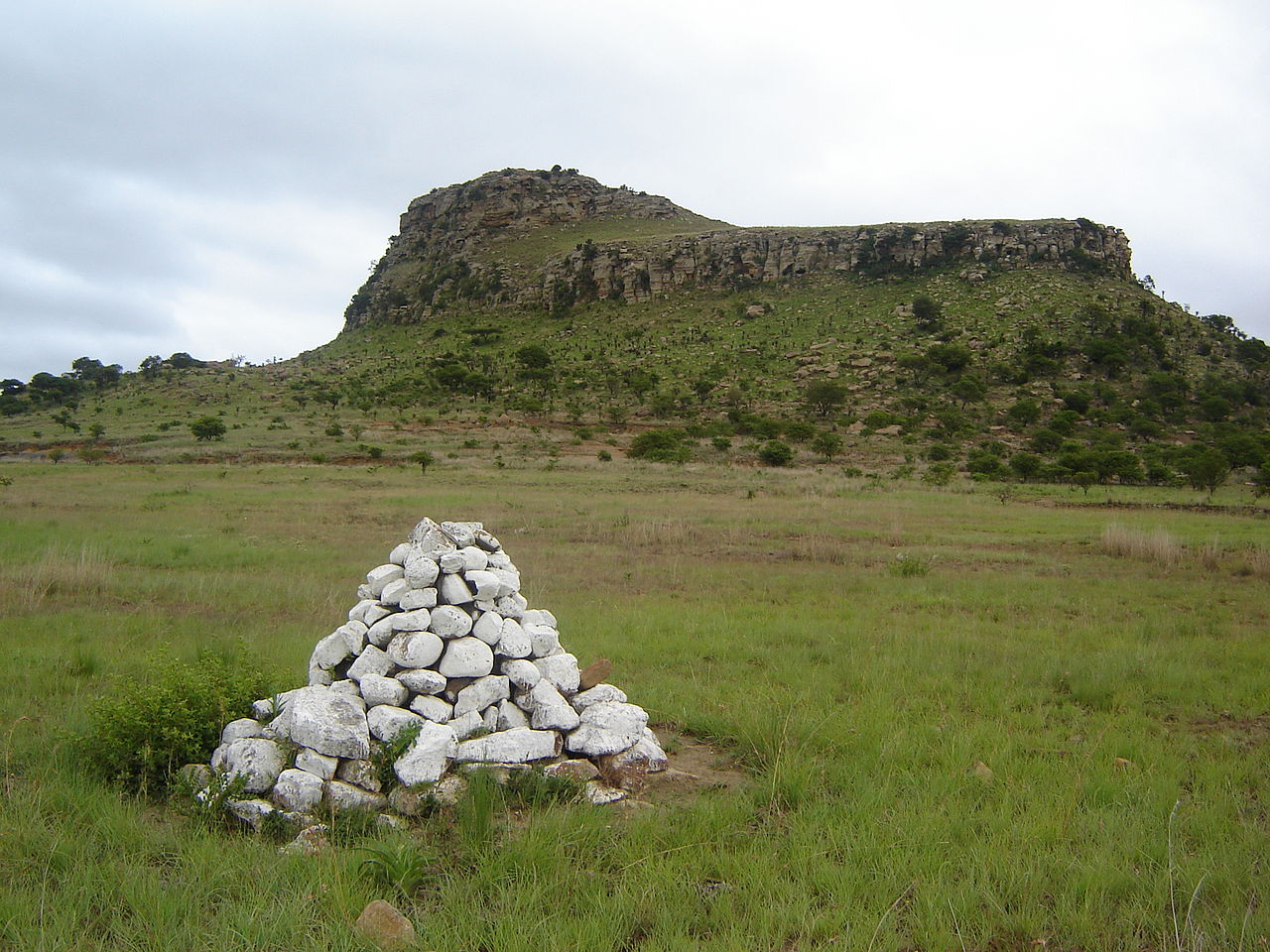
Isandlwana remains a subject of study for military historians because it illustrates how indigenous forces could defeat a technologically superior opponent through manoeuvre, concentration and leadership. Debates continue over details such as exact troop dispositions, casualty figures and the command decisions that left the camp exposed. Today the battlefield in KwaZulu-Natal is a memorial site, and the encounter features prominently in popular histories of the colonial era and in accounts of Zulu resistance to colonial expansion.
Key facts and broader context
- Date: 22 January 1879.
- Context: opening major engagement of the Anglo–Zulu War.
- Notable consequence: prompted a significant British military response and shaped public perceptions of the campaign.
- Remembered for: tactical implications, heavy British losses, and the contrast with the later defence at Rorke's Drift.
The Battle of Isandlwana therefore stands as a pivotal moment in nineteenth‑century imperial history: a dramatic battlefield reversal that highlighted the limits of European assumptions about battlefield dominance and had lasting effects on the conduct and memory of the Anglo–Zulu War.
Related articles
Author
AlegsaOnline.com Battle of Isandlwana (22 January 1879) Leandro Alegsa
URL: https://en.alegsaonline.com/art/9492