
Battle of Hastings (1066)
A decisive 1066 battle in which Norman forces under William of Normandy defeated Anglo‑Saxon troops, leading to Norman rule of England and wide cultural and political change.
Overview
The Battle of Hastings was fought on 14 October 1066 near Hastings in southern England. It was a pitched engagement between an invading Norman army led by William, Duke of Normandy, and an English force commanded by King Harold II (Harold Godwinson). The day-long clash ended with Harold’s death on the field and a decisive Norman victory. Within weeks William secured control of much of England and was crowned King William I, a turning point often called the Norman Conquest.
Image gallery
10 Images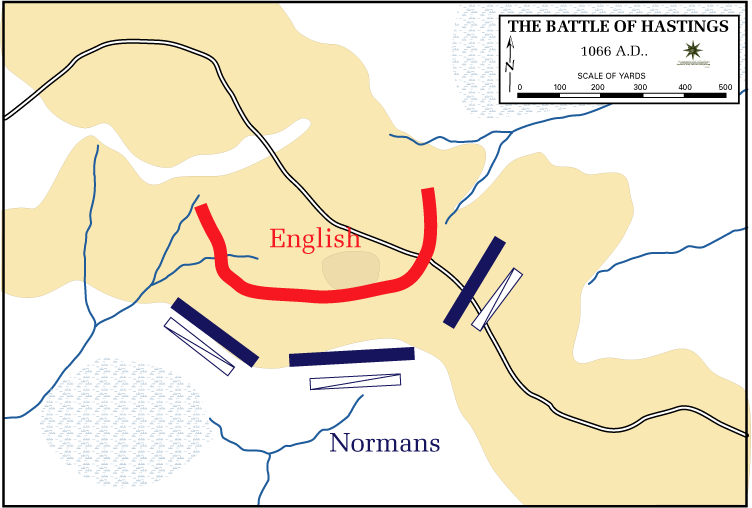





Opposing forces and preparations
The English army consisted largely of infantry drawn from the fyrd (local levy) and a core of housecarls (professional household troops). The Normans brought a combined force of cavalry, infantry, and archers, reflecting continental military organization. Both sides had reasons for haste: Harold had recently fought at Stamford Bridge in the north, while William had gathered ships and men from across Normandy and allied regions to press his claim. In contemporary and later accounts the composition and tactics of each force are examined for their influence on the battle’s outcome. For further background on the Anglo‑Saxon side see Anglo‑Saxon England.
The course of the battle
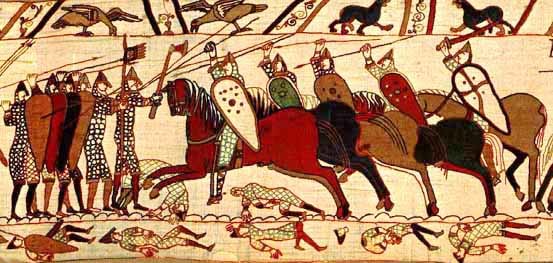
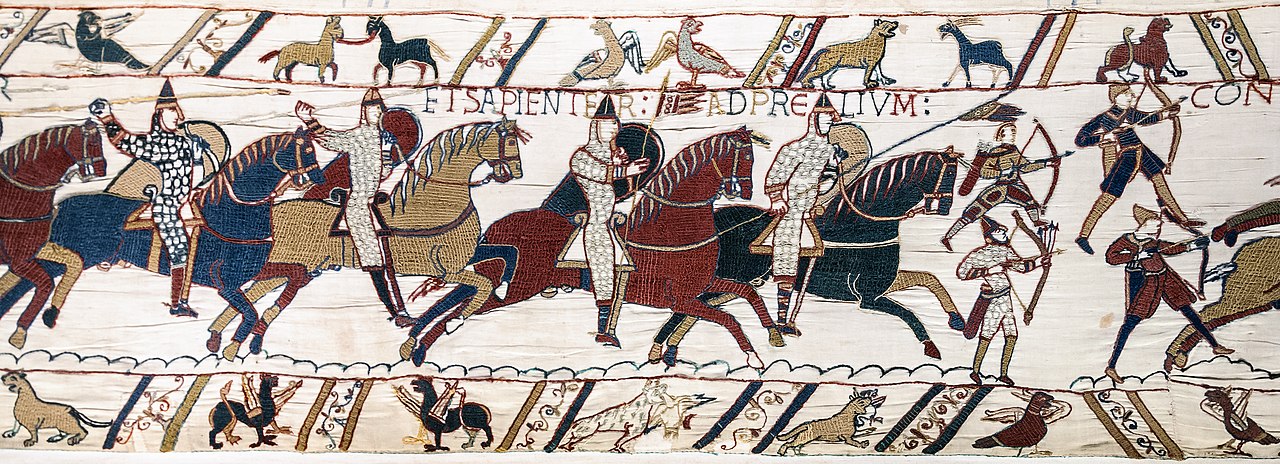
Fought on a ridge sometimes called Senlac Hill, the encounter featured repeated Norman assaults against a shield wall formed by the English. Norman tactics combined archery volleys, infantry attacks, and cavalry charges; at times feigned retreats appear to have drawn parts of the English line into vulnerability. The fighting was intense and prolonged; contemporary sources emphasize the chaos of close combat and the importance of leadership. The death of King Harold—recorded by several chroniclers—broke English resistance and allowed Norman forces to dominate the field. Historians continue to compare accounts and archaeological evidence to reconstruct the sequence of events.
Aftermath and significance
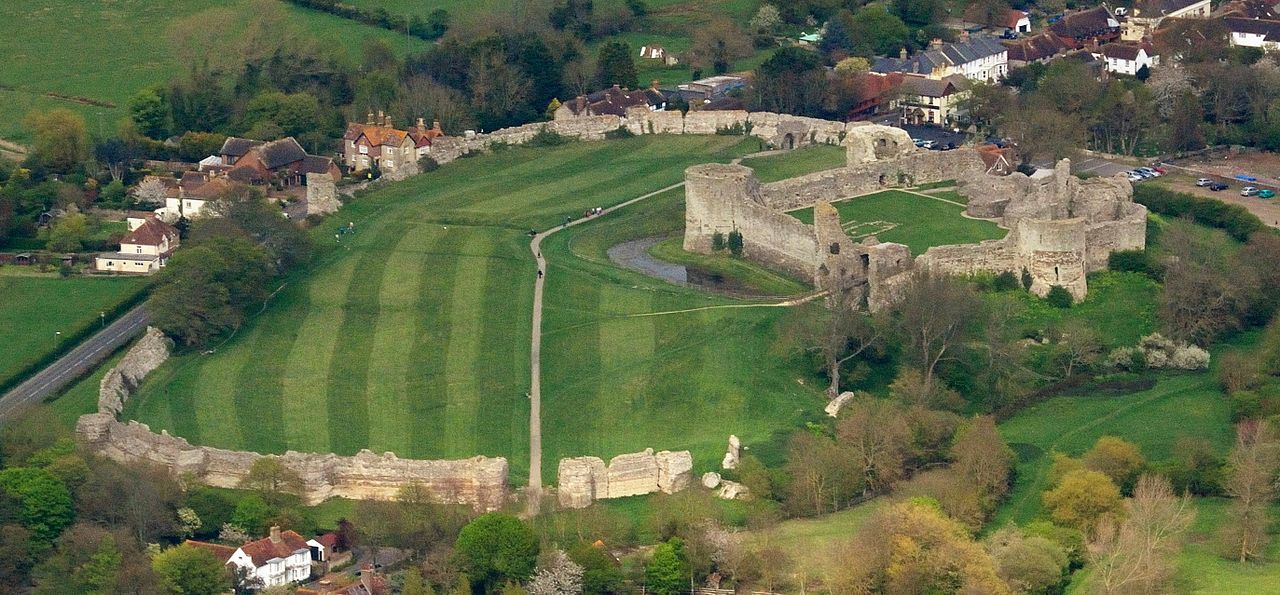
William’s success established a new ruling dynasty and brought administrative, legal, and cultural changes to England. Norman rule introduced continental feudal institutions, a new aristocracy, and closer ties to France. Castles and churches were built across the country to consolidate control. The conquest affected language, landholding, and governance, with effects visible in law and architecture for centuries. For perspectives on the victory’s consequences see Norman victory and its effects and accounts of William’s coronation and consolidation in 1066–1067, including his recognition as king when he was crowned William I.
Notable facts and sources
- The battle is famously depicted in the Bayeux Tapestry, a near‑contemporary embroidered narrative of the events of 1066.
- Debate continues over exact troop strengths and casualty figures; many estimates rely on chroniclers writing decades after the event.
- Archaeology and place‑name evidence have helped refine the site and topography of the battlefield.
The Battle of Hastings remains a central subject in medieval studies because it marks a decisive shift in English political and social structures. It is widely studied not only for its military aspects but also for how conquest reshaped language, law, and landholding across England.
Questions and answers
Q: When did the Battle of Hastings take place?
A: The Battle of Hastings took place on 14 October 1066.
Q: Who fought in the Battle of Hastings?
A: The Anglo-Saxon English and an invading Norman army fought in the Battle of Hastings.
Q: Who was crowned as King of England after the Battle of Hastings?
A: William, the Duke of Normandy, was crowned as King William I of England 10 weeks after the Battle of Hastings.
Q: How did the Battle of Hastings end?
A: The day-long battle ended in the death of the Anglo-Saxon king and a decisive victory for the Normans.
Q: What was the result of the Norman conquest of England?
A: The Norman conquest of England was a major turning point in England's history.
Q: Why was the Battle of Hastings important?
A: The Battle of Hastings was important because it led to the Norman conquest of England, which had a significant impact on the country's history.
Q: Who won the Battle of Hastings?
A: The invading Norman army won the Battle of Hastings.
Related articles
Author
AlegsaOnline.com Battle of Hastings (1066) Leandro Alegsa
URL: https://en.alegsaonline.com/art/9486
Sources
- vocabulary.com : "battle of Hastings"