
Isabella I of Castile: queen, unifier, and patron of exploration
Isabella I (1451–1504), queen of Castile and León, united Iberian crowns with Ferdinand, completed the Reconquista, sponsored Columbus, and shaped Spain's institutions and succession.
Isabella I (22 April 1451 – 26 November 1504) was queen of Castile and León. She became one of late medieval Iberia's most consequential rulers through marriage, warfare and administrative reform. Her long reign saw the end of Muslim political rule in Iberia, the consolidation of royal authority, the foundation of institutions that shaped early modern Spain, and royal sponsorship of overseas voyages that opened contact with the Americas.
Image gallery
10 Images



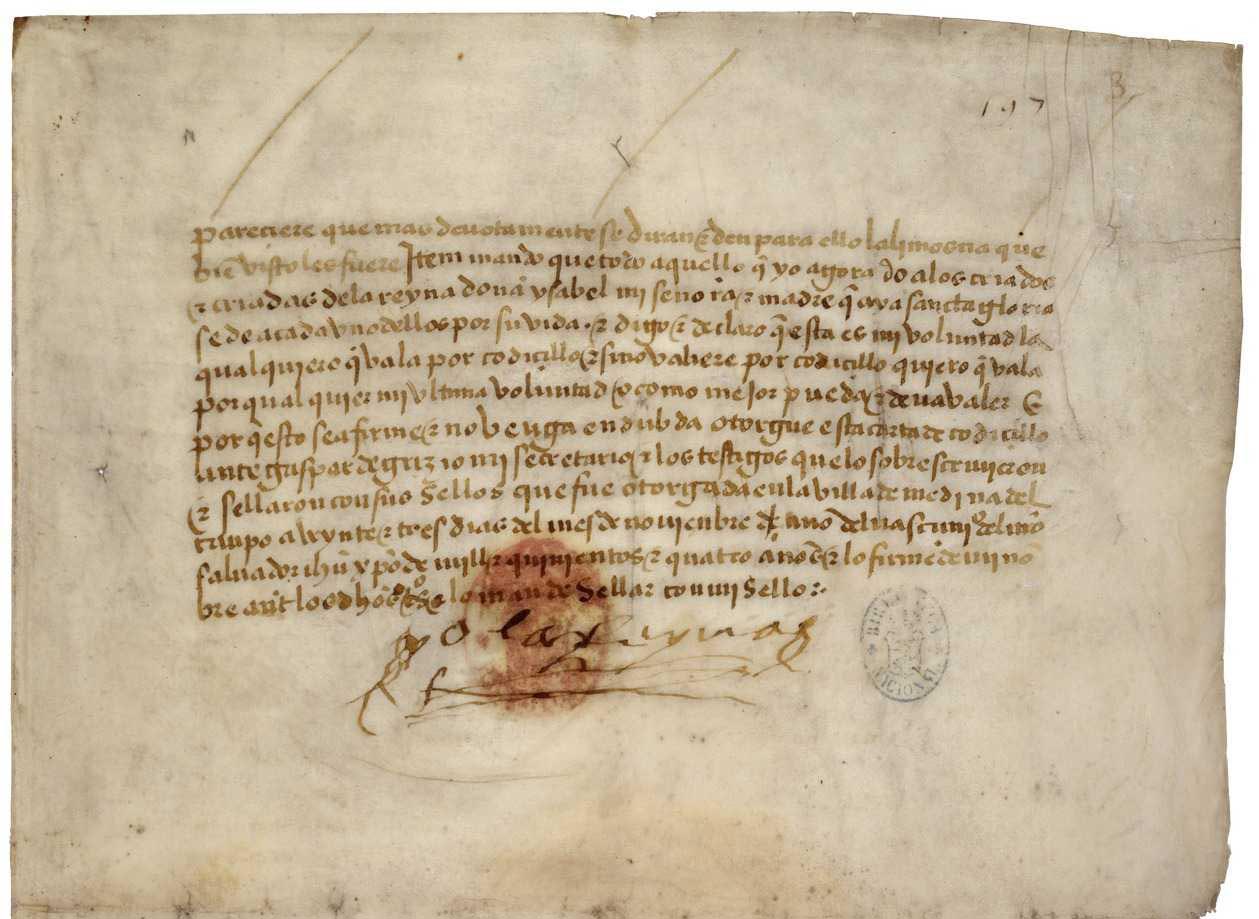


Early life and accession
Born to King John II of Castile and his second wife, Isabella's early years unfolded amid court factionalism and dynastic rivalry. Her elder half-brother Enrique (Henry IV) tried to arrange her marriage to secure alliances. Isabella secretly wed Ferdinand II of Aragon in 1469, a union that later formed the basis of the Iberian union. After Henry IV's death a dynastic struggle—often called the War of the Castilian Succession—pitted Isabella against rivals including Juana (known as Juana la Beltraneja). Isabella ultimately secured the Castilian throne and was crowned queen, while Ferdinand became king of Aragon.
Government, religion, and reform
Isabella's reign combined centralizing administration with a commitment to religious uniformity. She and Ferdinand reorganized royal councils, improved tax collection, and strengthened judicial institutions. In 1478 they obtained papal authorization for a tribunal of faith that became known as the Spanish Inquisition; this institution enforced orthodoxy and had far-reaching social effects. In 1492 Isabella issued the Alhambra Decree ordering the expulsion of Jews who would not convert, a decision that reshaped Spain's religious and economic landscape.
Reconquest, exploration and international policy
One of the defining events of Isabella's rule was the capture of Granada in 1492, which ended centuries of Muslim rule on the Iberian Peninsula and completed the Reconquista. That same year she approved and helped finance voyages by Christopher Columbus, an enterprise that led to sustained contact with the New World and new overseas territories. Her foreign policy also included dynastic marriages and alliances that extended Habsburg and Spanish influence across Europe.
Marriage, children, and succession
Isabella and Ferdinand had five surviving children whose marriages linked Spain to other European powers. Their offspring included:
- Isabella (eldest daughter)
- John, Prince of Asturias (heir who died young)
- Joanna (Juana) of Castile, who succeeded Isabella and was mother to Charles V
- María
- Catherine of Aragon, who later married King Henry VIII of England
Legacy and historical assessment
Isabella's legacy is complex: she is credited with strengthening royal power, completing the Reconquista, and enabling Spain's overseas empire through exploration; she is also criticized for policies that enforced religious conformity and led to expulsions and inquisitorial prosecutions. Her decisions shaped Spain's institutions and European politics for generations, and her descendants played central roles in early modern Europe. Historians continue to debate her motives and the long-term consequences of her rule.
Further reading on specific aspects of her reign—administration, the Inquisition, the Granada capitulation, and the voyages to the Americas—is available through specialized sources and archives. For introductory overviews see resources on Castilian history, Leonese institutions, and biographies of Ferdinand and their children.
Questions and answers
Q: Who was Isabella of Castile?
A: Isabella of Castile was a queen of Castile and León.
Q: Who were Isabella's parents?
A: Isabella's parents were John II of Castile and his second wife Isabel of Portugal.
Q: Who did Isabella secretly marry in 1469?
A: Isabella secretly married Ferdinand II of Aragon in 1469.
Q: Who was Catherine of Aragon?
A: Catherine of Aragon was the youngest child of Isabella of Castile and Ferdinand II of Aragon, who later married Henry VIII of England.
Q: Who became queen after Isabella's brother died?
A: Isabella became queen after her brother Enrique's death, despite his daughter Juana's desire to become queen.
Q: What did Isabella and Ferdinand unite to create modern-day Spain?
A: Isabella and Ferdinand united the lands of Castile and Aragon to create modern-day Spain.
Q: Who became queen after Isabella's death?
A: After Isabella's death, her daughter Joanna of Castile became queen.
Related articles
Author
AlegsaOnline.com Isabella I of Castile: queen, unifier, and patron of exploration Leandro Alegsa
URL: https://en.alegsaonline.com/art/48321
Sources
- newadvent.org : "Isabella I"
- ancienthistory.abc-clio.com : "World History: Ancient and Medieval Eras - Username"