
Battle of Glorieta Pass
A decisive 1862 engagement in the New Mexico Territory during the American Civil War that blocked a Confederate campaign into the Southwest and forced a retreat to Texas.
Overview
The engagement commonly called the Battle of Glorieta Pass took place during the American Civil War. It was fought in the high desert of the New Mexico Territory on 28 March 1862. Because of its location on the eastern approaches to northern New Mexico, the clash is often described as one of the farthest west major actions of the war. The encounter formed a key episode of the wider Confederate attempt to secure the American Southwest in 1861–1862.
Image gallery
6 Images



Context and strategic aims
Confederate leaders hoped to seize territory and access western resources, while Union forces aimed to protect the overland routes and retain control of the region. Both sides sent mounted and infantry units, as well as volunteer regiments raised locally. Scouting and small detachments probed for the enemy in the days before the main fighting; a reconnaissance clash on 26 March involved opposing scouting parties and helped set the stage for the larger encounter between each army. The Confederate column was part of a campaign under commanders seeking to press into the mountain routes toward Santa Fe and the plains beyond.
The fighting
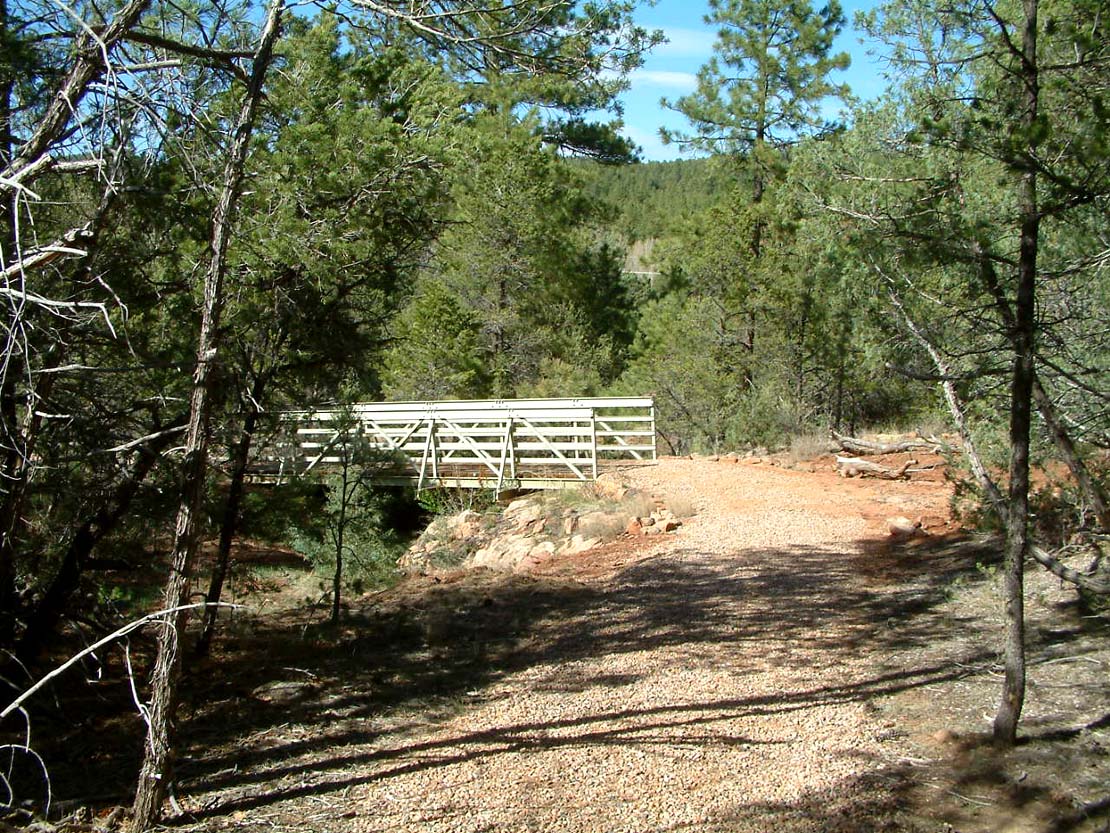
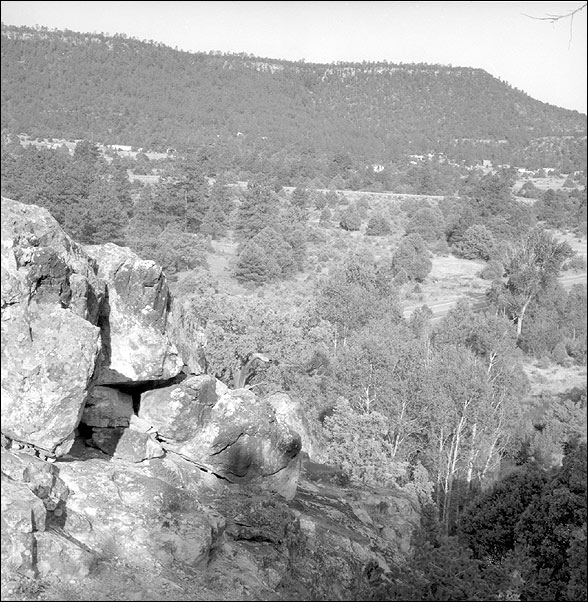
On the morning of 28 March, Union and Confederate elements collided within the narrow defile of Glorieta Pass. Confederate troops pushed forward and for a time drove elements of the Union force back through the pass. In the fighting both sides contested ridges, gullies and wagon approaches, using the constricted terrain to their advantage. The Confederate contingent—elements sometimes identified simply as Confederates in contemporary accounts—won local ground but found their logistical position becoming precarious as the day progressed.
Turning point and aftermath
Although the Confederates achieved tactical gains on the field, a decisive action elsewhere undermined their operation: a Union force located and destroyed the Confederate supply train, and in the course of that operation many of the column's horses and draft animals were captured or routed. Deprived of supplies and mobility, the Confederate command was forced to abandon its advance and withdraw. Within weeks the Confederate presence in the territory dissolved as forces retreated toward Texas, ending the immediate threat to Union control of the region.
Significance and legacy
Historians view Glorieta Pass as a strategic Union victory: although not the bloodiest of Civil War battles, its outcome stopped Confederate ambitions in the Southwest and secured communications and supply lines for the Union in the mountain West. The engagement involved a mix of regular troops, territorial volunteers, and militia units, and it highlighted the role of logistics and local maneuver in campaigns fought far from the main eastern theaters.
Forces and features
- Geography: a narrow mountain pass that limited the size and movement of formations and made supply lines vulnerable.
- Participants: a combination of Confederate units pressing westward and Union forces—including regional volunteers—defending communications and population centers.
- Outcome: tactical Confederate successes on the field, followed by the loss of supplies and animals that produced a strategic Union victory.
Readers seeking more detailed orders of battle, first-hand accounts, and maps can consult specialized works and archival sources. For further summaries and primary documents see the linked resources below: battle overview, Civil War context, territorial setting, date and timeline, western theater, reconnaissance actions, army elements, Confederate forces, Union forces, supply train, animals and logistics, retreat to Texas.
Related articles
Author
AlegsaOnline.com Battle of Glorieta Pass Leandro Alegsa
URL: https://en.alegsaonline.com/art/9479