
1862
A pivotal year in the mid‑19th century marked by major American Civil War battles, important U.S. legislation (Homestead, Morrill, Pacific Railway), the Battle of Puebla and notable social and technological change.
Overview
1862 was a year of intense military, political and social change in several parts of the world. In North America the American Civil War expanded into large, coordinated campaigns that reshaped strategy and public policy. At the same time governments enacted legislation with long-term consequences for settlement, higher education and infrastructure. Internationally, conflicts and symbolic victories resonated beyond their immediate theaters, while cultural and technological developments continued to influence public life.
Image gallery
10 Images


American Civil War: 1862 in campaign and consequence
Fighting in 1862 intensified on multiple fronts. Early in the year Union forces won crucial river and western engagements, including the captures of Forts Henry and Donelson and the April assault on New Orleans, which strengthened federal control of key waterways. Large eastern campaigns produced some of the war's bloodiest encounters: the April Battle of Shiloh, the summer Seven Days Battles around Richmond, the August Second Battle of Bull Run (Manassas), the September Battle of Antietam — the single bloodiest day of the war — and the December Battle of Fredericksburg. The Union and Confederate experiences of 1862 drove changes in military organization, civilian mobilization and national policy. After Antietam, President Abraham Lincoln issued the Preliminary Emancipation Proclamation on September 22, announcing that enslaved people in rebellious states would be free as of January 1, 1863.
Legislation, institutions and infrastructure
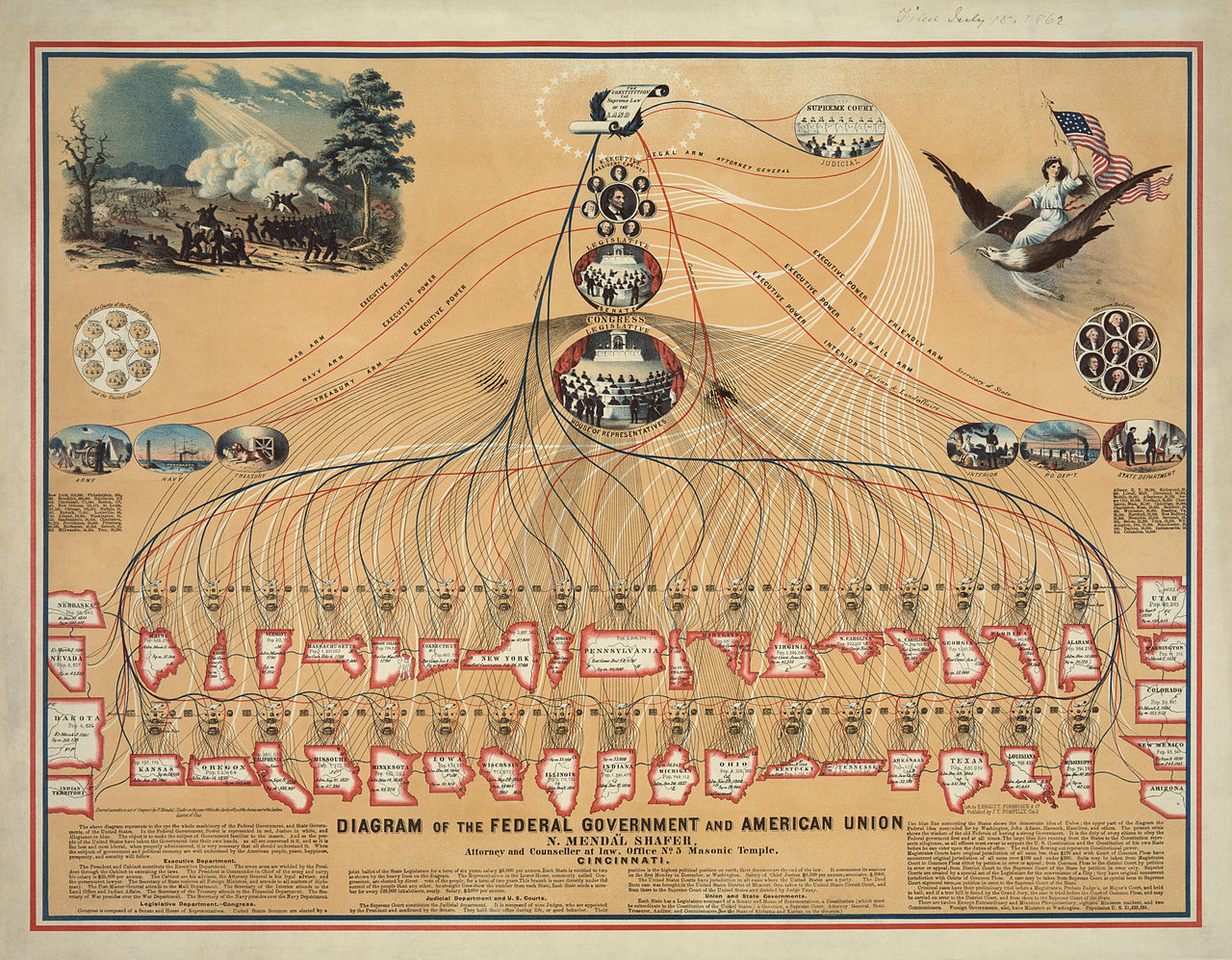
In the United States Congress and the president approved measures that shaped the nation's economic and educational future. The Homestead Act opened federal land to settlers under conditions intended to encourage westward farming. The Morrill Land-Grant Act provided federal lands to support agricultural and mechanical colleges, laying the foundation for many state universities. The Pacific Railway Act authorized construction of a transcontinental railroad to link eastern markets with the Pacific coast. To finance wartime needs and regular administration, federal tax and revenue measures were adopted and new institutions were organized to manage funds and resources.
International events
Beyond North America, 1862 included conflicts with broader political impact. On May 5, Mexican forces won at the Battle of Puebla against a French expeditionary force; the date has since been commemorated in Mexico and among Mexican communities abroad. European powers continued to project influence in the Americas and elsewhere, and diplomatic, commercial and military interactions in various regions reflected shifting 19th‑century balances of power.
Culture, science and society
Wartime needs and peacetime innovation both stimulated advances. Photography and reportage reached wider audiences through battlefield images and newspapers, shaping public perception of modern war. Medicine and surgery saw developments in anesthesia, wound care and organization of ambulance and hospital services, even as infectious disease remained a major challenge. Literature, serialized fiction, poetry and the visual arts responded to contemporary events; education reforms and the establishment of land‑grant colleges promoted practical scientific and agricultural instruction.
Legacy
The events of 1862 had enduring effects: military outcomes influenced political leadership and emancipation policy; legislation enacted that year helped to shape settlement patterns, higher education and transportation networks; and cultural and technological changes altered how societies recorded and responded to large-scale conflict. For these reasons historians often treat 1862 as a pivotal year in the histories of the United States and other nations.
Related articles
Author
AlegsaOnline.com 1862 Leandro Alegsa
URL: https://en.alegsaonline.com/art/111826