
Battle of Kursk (July–August 1943)
A major 1943 World War II engagement on the Eastern Front. The German offensive and Soviet defence produced vast armored clashes, extensive fortifications and a strategic shift toward the Red Army.
Overview
The Battle of Kursk took place from 5 July to 23 August 1943 and was one of the largest land battles of World War II. Launched by Germany as Operation Citadel against a pronounced Soviet salient around the city of Kursk, it culminated in massive armored engagements and extensive defensive operations by the Red Army. The battle is widely regarded as a turning point that ended Germany's ability to mount large-scale offensive operations on the Eastern Front.
Image gallery
10 Images





Characteristics and major actions
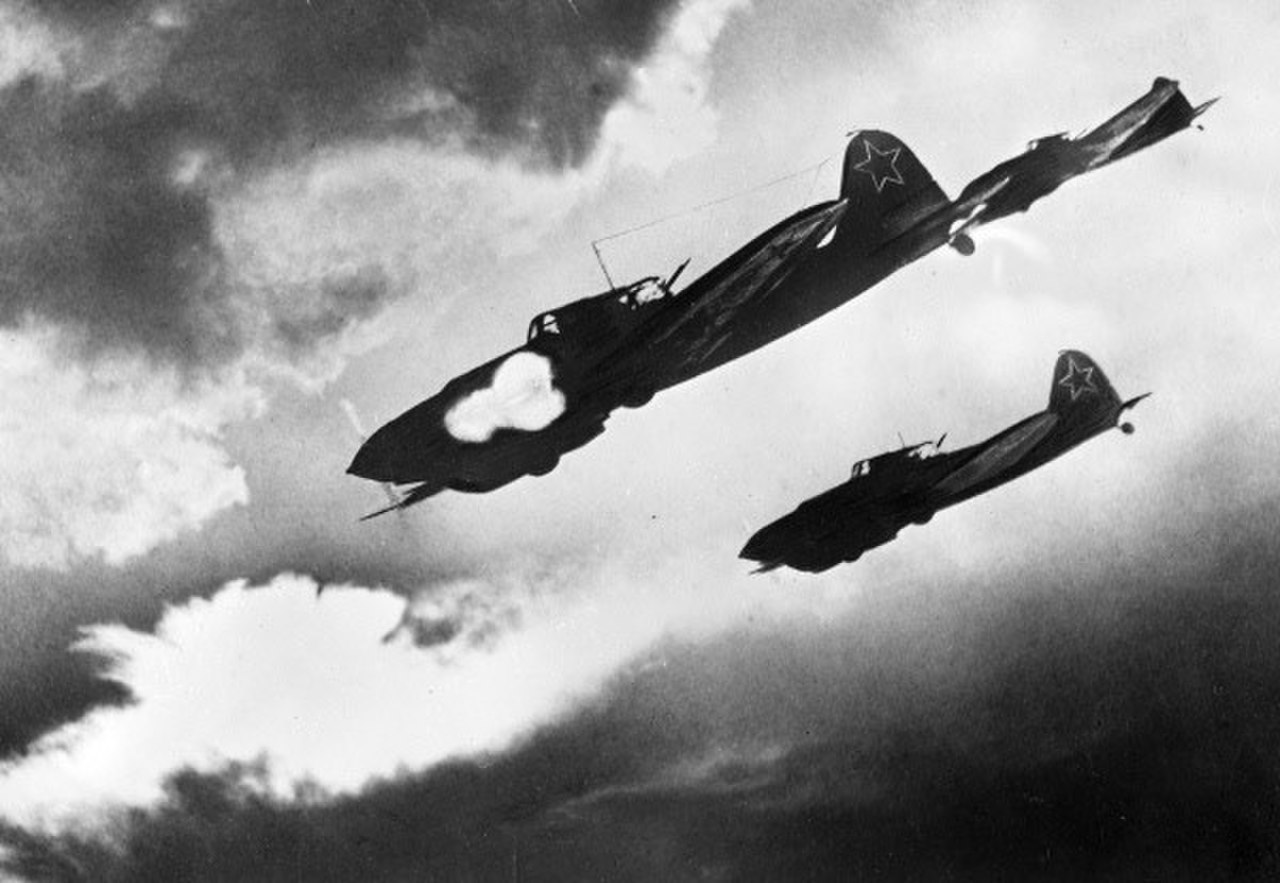
The fighting combined multiple elements: deep, layered Soviet defenses, extensive minefields, anti-tank obstacles, concentrated artillery, and mobile Soviet reserves kept behind the lines. German forces employed newer tank models and concentrated armored thrusts aiming to encircle and destroy Soviet formations. Both sides used air power and combined-arms tactics.
- Operation Citadel: the German offensive plan and its objectives (broad summary).
- Prokhorovka: a notable clash often cited as one of the largest tank engagements in history.
- Subsequent Soviet counteroffensives (such as Kutuzov and Rumyantsev) that exploited German losses.
Context and development
The battle followed the German defeat at Stalingrad and reflected both sides' shifting resources and priorities. Soviet intelligence and planning created prepared defensive belts that blunted German attacks. Delays in German timetables, partly caused by other campaigns and by the introduction of new weapons, affected the operation's timing and momentum.
Importance and consequences
The failure of the German offensive and the success of Soviet counterattacks placed the strategic initiative with the Red Army for the remainder of the war on the Eastern Front. The engagement demonstrated the growing effectiveness of Soviet operational art, logistics and coordination, and marked a decline in the Wehrmacht's capacity for large-scale offensives in Russia.
Related articles
Author
AlegsaOnline.com Battle of Kursk (July–August 1943) Leandro Alegsa
URL: https://en.alegsaonline.com/art/9499