
Reconnaissance: Military Scouting, Methods, History and Civil Uses
Reconnaissance is deliberate exploration to gather information about enemy forces, terrain, or conditions. This article explains its methods, history, organization, and non‑military applications.
Overview
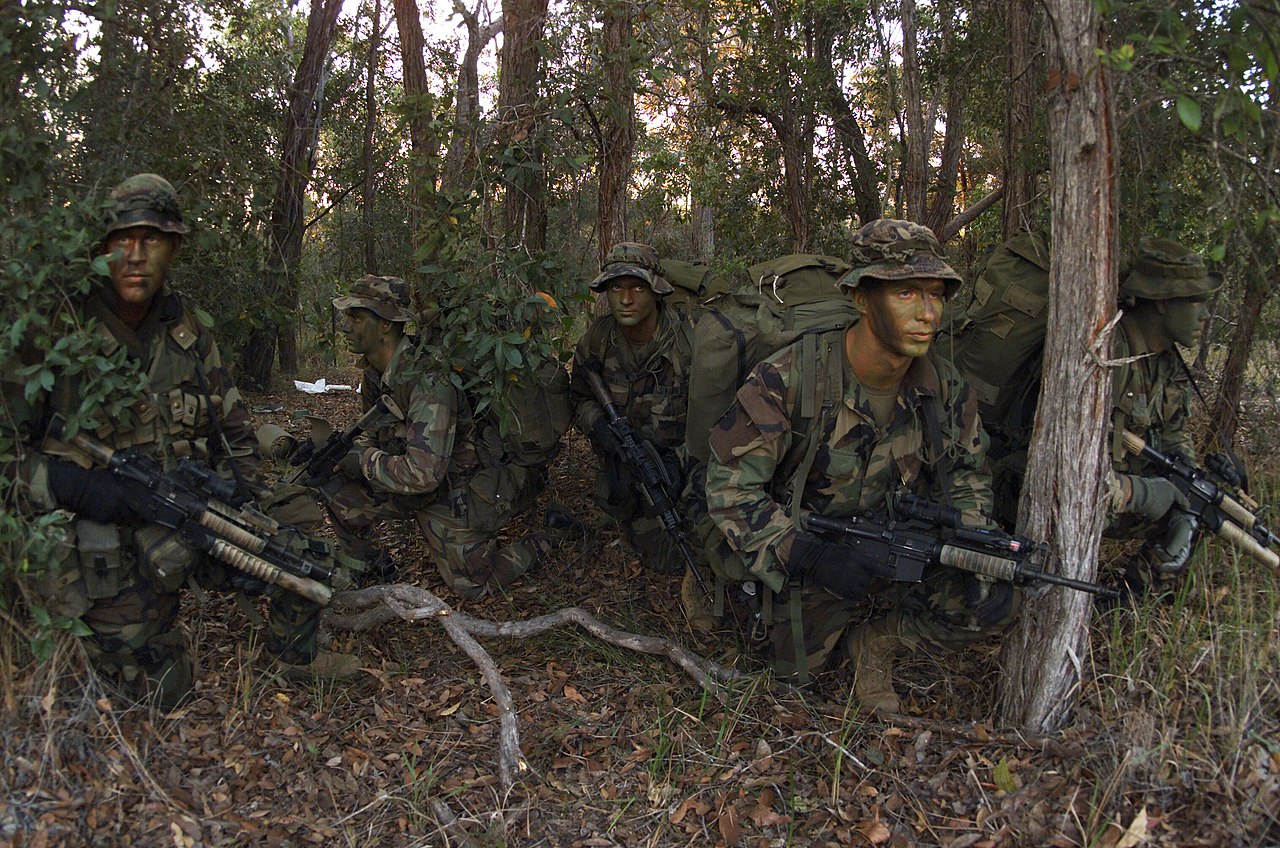
Reconnaissance, often called scouting or recce, is the deliberate activity of obtaining information about an area, opposing force, or other conditions to support decision making. In military practice it seeks timely military information on enemy dispositions, terrain, weather, obstacles, and infrastructure. Reconnaissance may be short term or continuous, and it ranges from small‑unit observation to strategic collection by specialized platforms.
Image gallery
10 Images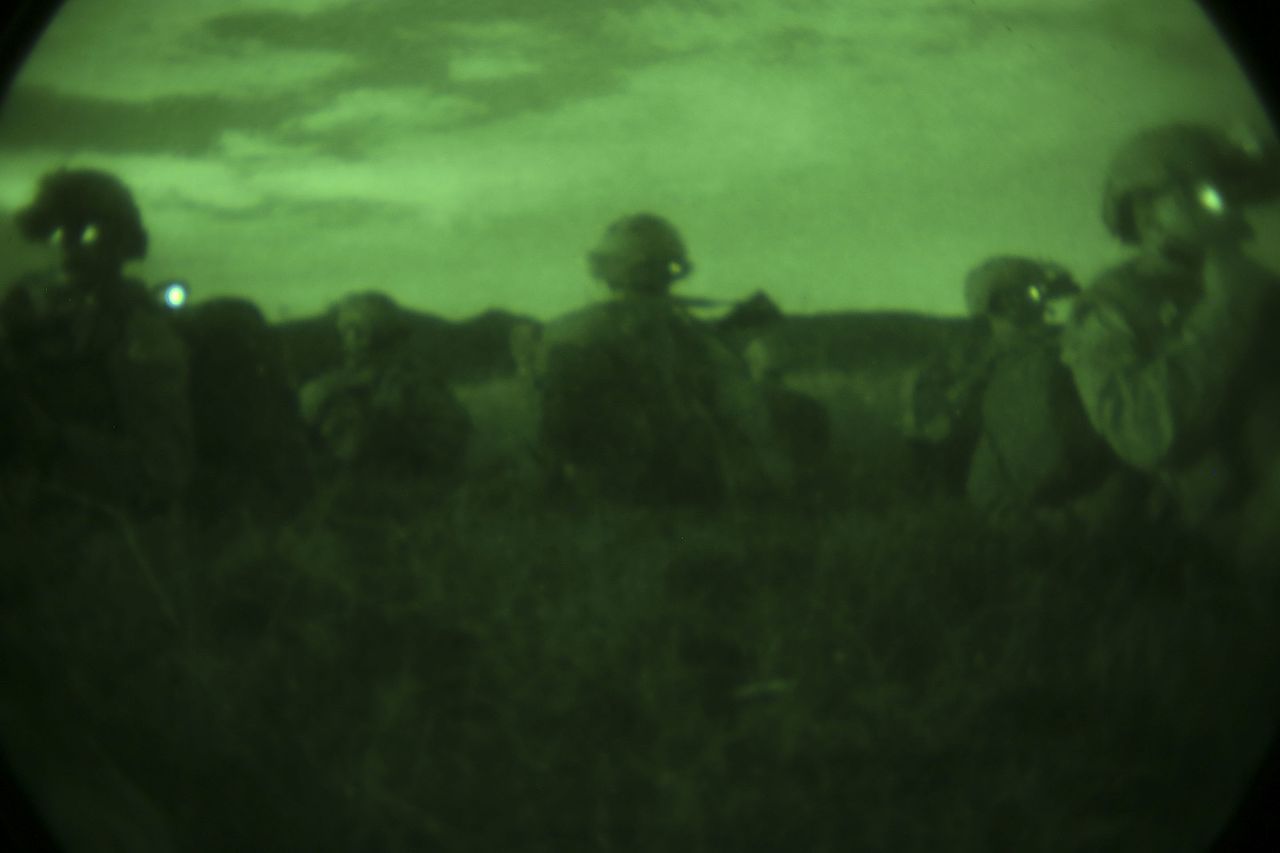




Types and methods
Reconnaissance methods are diverse and chosen for speed, stealth, range, and survivability. Common categories include:
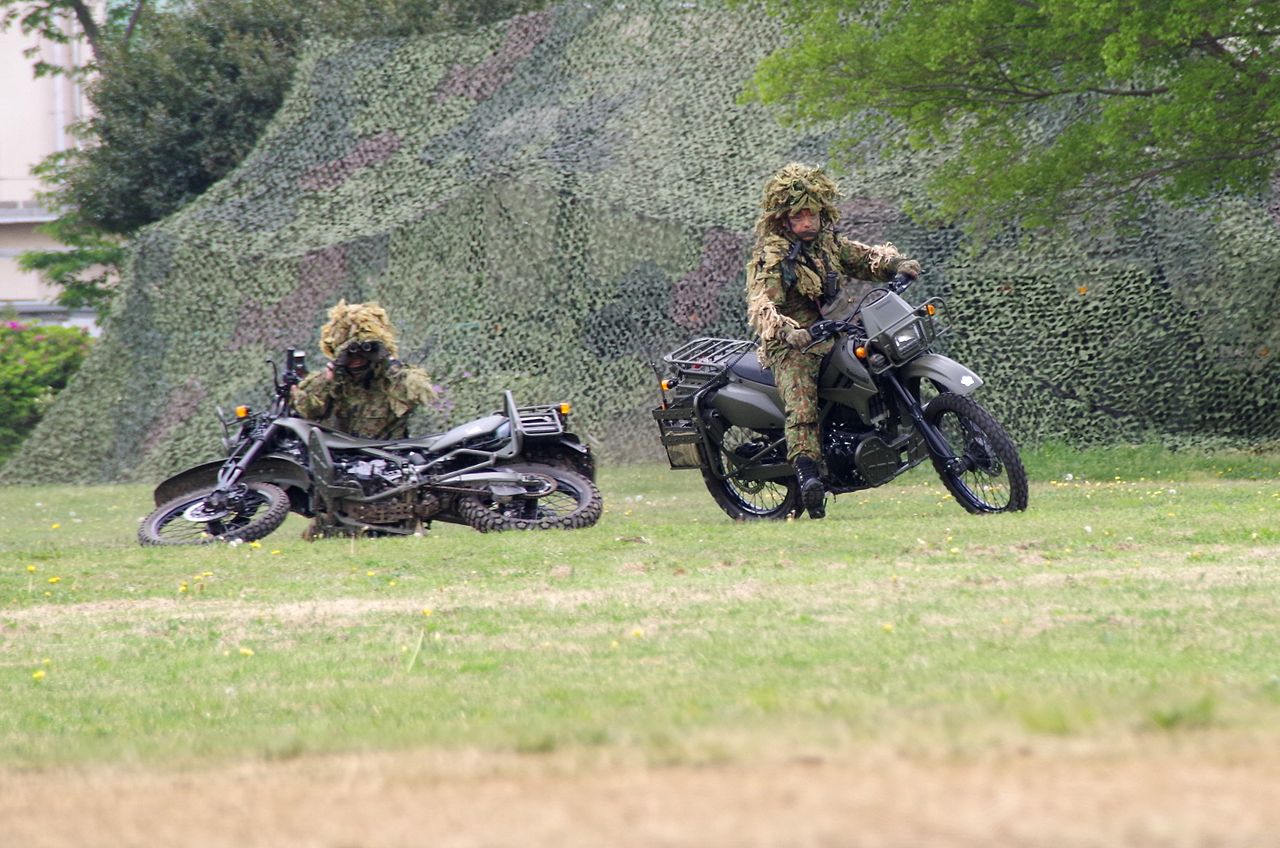
- Close reconnaissance — patrols, scouts, or unmanned ground systems operating near friendly forces.
- Deep reconnaissance — long‑range units or sensors probing far into adversary areas to detect forces or logistics.
- Special reconnaissance — missions by specially trained units to collect detailed intelligence, often with covert techniques.
- Technical and electronic reconnaissance — use of signals, radar, imagery, and cyber means to detect and monitor activity.
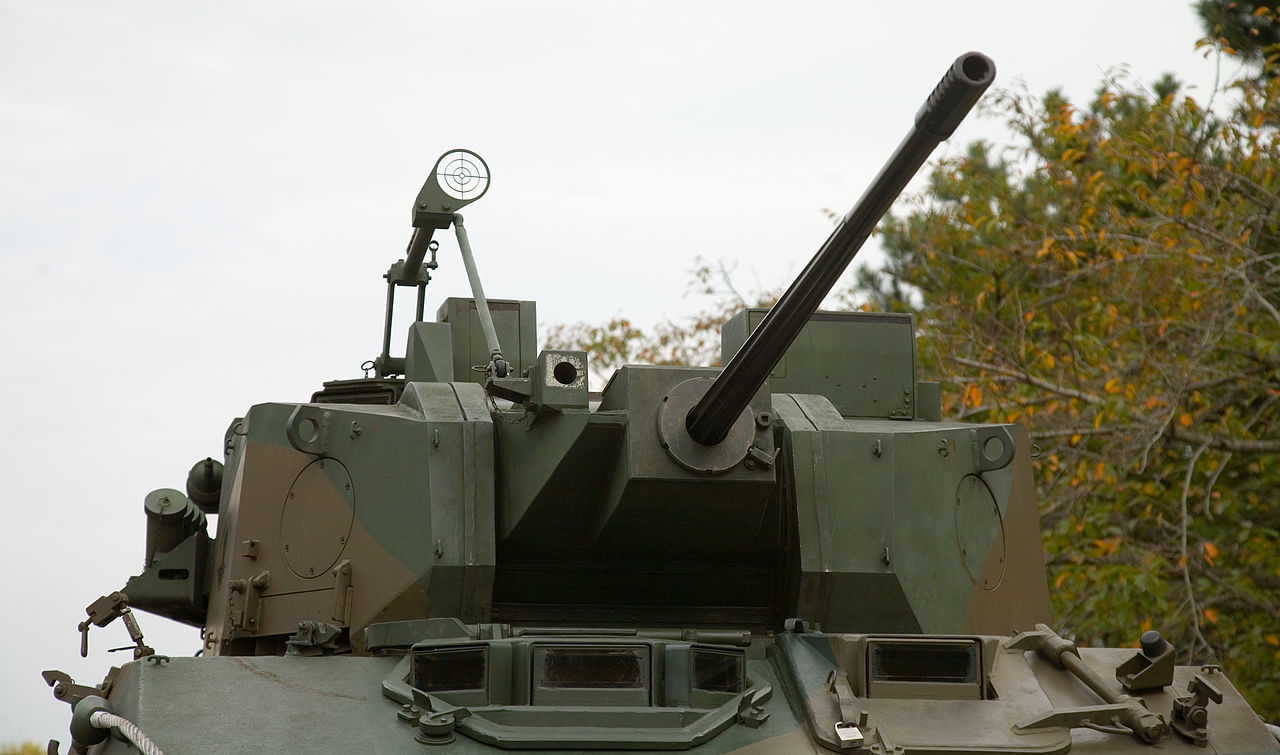
Platforms can be human observers, aircraft, satellites, drones, reconnaissance vehicles, sensors, and clandestine human networks.
Origins and development
The practice of reconnaissance predates organized states; scouts and advance parties have appeared in most preindustrial armies. With technological advances it evolved from mounted scouts and forward observers to the use of balloons, aircraft, radar, satellites, and unmanned aerial vehicles. The modern emphasis combines real‑time sensors with data processing to provide actionable intelligence to commanders at all levels.
Organization, roles and equipment
Many militaries maintain dedicated reconnaissance units at squad, company, or battalion scale, and specialized formations such as reconnaissance regiments or electronic warfare detachments. Personnel receive training in observation, camouflage, navigation, target acquisition, and reporting. Equipment ranges from binoculars and thermal imagers to reconnaissance pods, signal intercept gear, and long‑endurance drones.
Civilian and non‑military uses
Reconnaissance techniques are widely used outside combat: disaster assessment, environmental monitoring, law enforcement surveillance, and commercial surveying. Emergency responders use aerial reconnaissance to map damage and direct relief, while conservationists apply remote sensing to track habitat changes. The informal verb forms reconnoitre (British) and reconnoiter (American) are commonly used to describe such scouting tasks.
Terminology and notable distinctions
Terminology varies by country: in the UK, Canada and some Commonwealth forces the short form "recce" is common, while in the United States "recon" is widely used; in Australia the term recce also appears in unit names and doctrine. Reconnaissance differs from intelligence collection more broadly in its operational focus on timely, often localized information that directly supports immediate maneuver and tactical decisions.
Related articles
Author
AlegsaOnline.com Reconnaissance: Military Scouting, Methods, History and Civil Uses Leandro Alegsa
URL: https://en.alegsaonline.com/art/81577