
Logistics: Principles, Components, History and Modern Applications
Logistics is the planning and management of moving and storing goods, information and services. This article describes core functions, historical development, main types, common providers and current trends.
Logistics refers to the coordinated process of moving, storing and handling goods, materials and information between origin and consumption points. At its core logistics ensures that the right items arrive at the right place, at the right time, in the right condition and at an acceptable cost. The activity spans long-distance transport, local delivery, inventory control, warehousing and information flows; many discussions of logistics specifically highlight transportation as a central activity.
Image gallery
10 Images





Key components
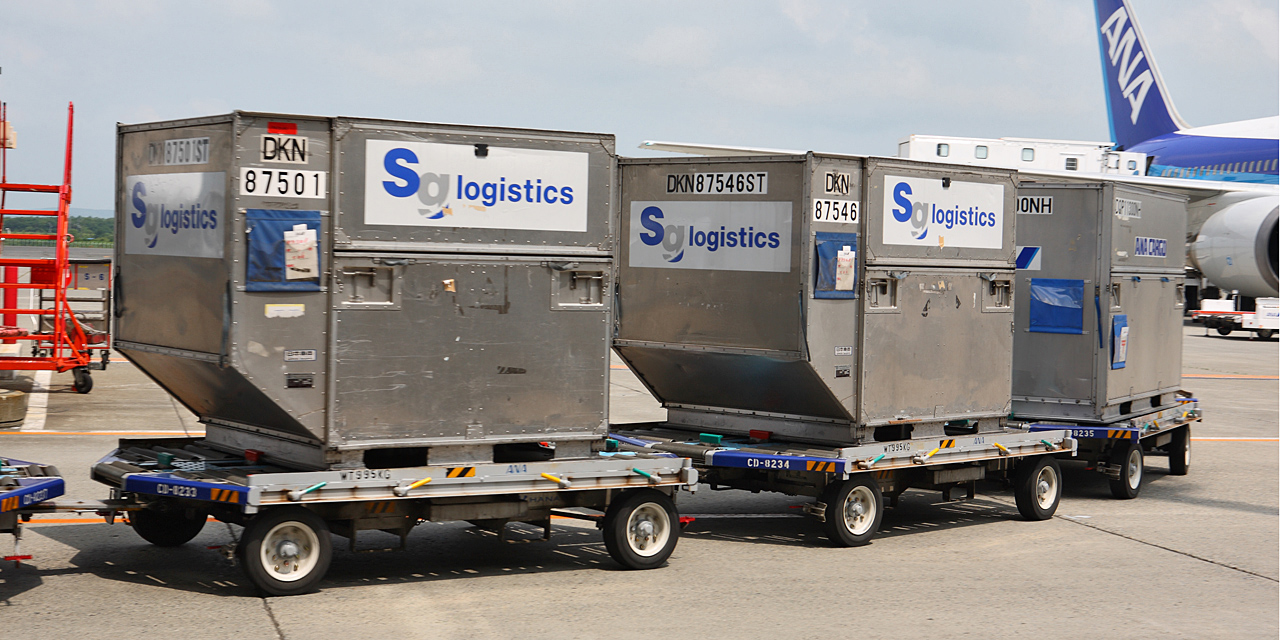
- Transport: selecting modes and routes, carrier management and scheduling.
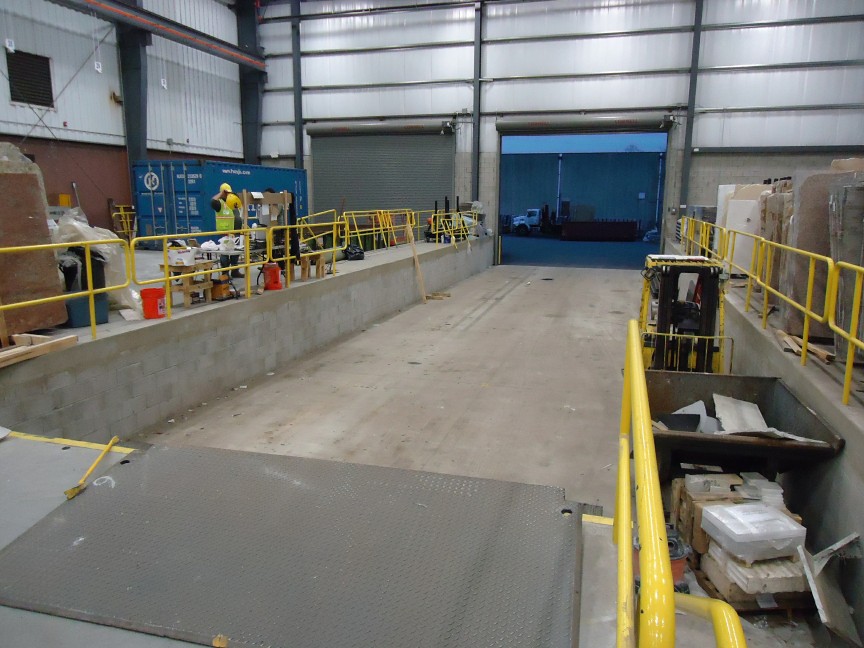
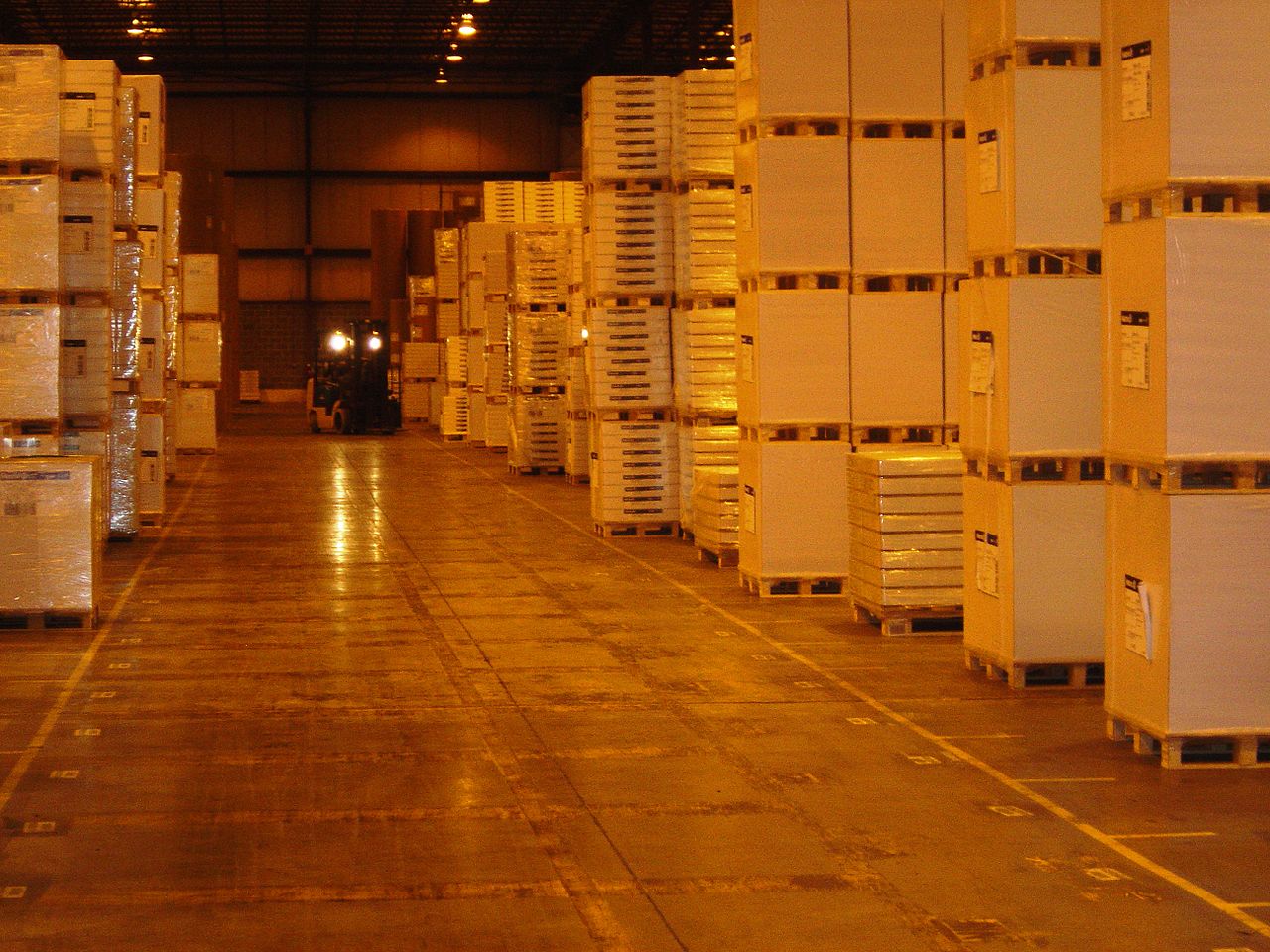
- Warehousing: storage, cross-docking, consolidation and handling.
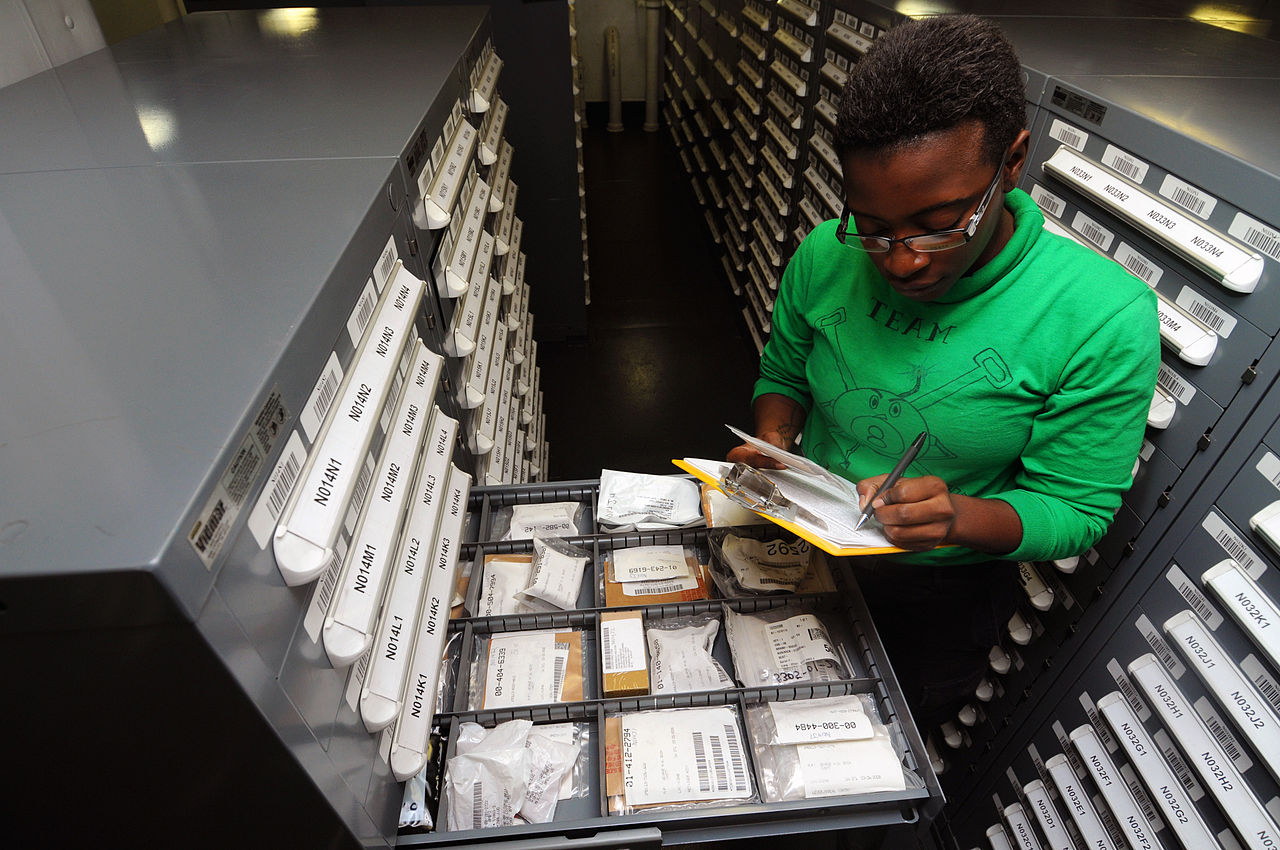
- Inventory management: balancing stock levels to meet demand while minimizing cost.
- Order fulfillment and packaging: picking, packing and preparing goods for shipment.
- Information systems: tracking, planning and control systems such as TMS/WMS, barcodes, RFID and real-time telemetry.
- Reverse logistics: returns, repairs and recycling flows.
History and development
The organization of movement and supply has ancient antecedents in military and trade activity, where supplying troops or caravans required foresight and planning. Over time commercial logistics evolved alongside industrial production and transportation infrastructure. Major shifts—such as the introduction of standardized containers, improved road and rail networks, and later digital systems for tracking and planning—transformed logistics from a local operational concern into a strategic, global function. Today logistics integrates software, automation and data analytics to increase efficiency and resilience.
Applications and importance
Logistics is essential across sectors. Manufacturers coordinate inbound materials and outbound finished products; retailers and e-commerce firms rely on rapid order fulfillment and last-mile delivery; relief organizations use logistics to deliver aid in emergencies; and defense forces depend on logistics for sustainment. Effective logistics reduces costs, shortens lead times and supports customer service and competitiveness.
Types, providers and notable distinctions
- Military logistics: supply, maintenance and mobility for armed forces.
- Business logistics: covers procurement, production support and distribution.
- Third-party logistics (3PL) and fourth-party logistics (4PL): outsourced service providers that handle part or all logistics functions for clients.
- Inbound vs. outbound: inbound focuses on suppliers and materials; outbound on delivering finished goods to customers.
Companies that specialize in warehousing, freight forwarding and integrated logistics offer a range of services from simple transport to complex supply-chain orchestration; many such firms publish guidance and service descriptions online about their offerings.
Trends and challenges
Contemporary logistics emphasizes resilience, sustainability and digitization. Key trends include automation in warehouses, electrification of last-mile fleets, green logistics practices to reduce emissions, and the use of data and AI to improve forecasting and route optimization. Firms must also manage risks from geopolitical shifts, natural disasters and volatile demand while meeting customer expectations for speed and transparency.
Related articles
Author
AlegsaOnline.com Logistics: Principles, Components, History and Modern Applications Leandro Alegsa
URL: https://en.alegsaonline.com/art/58869