
Battle of Lade (494 BC)
A decisive naval engagement of the Ionian Revolt in 494 BC near the island of Lade; Persian victory ended the revolt and led to the fall of Miletus and the reassertion of Persian control in Ionia.
Overview
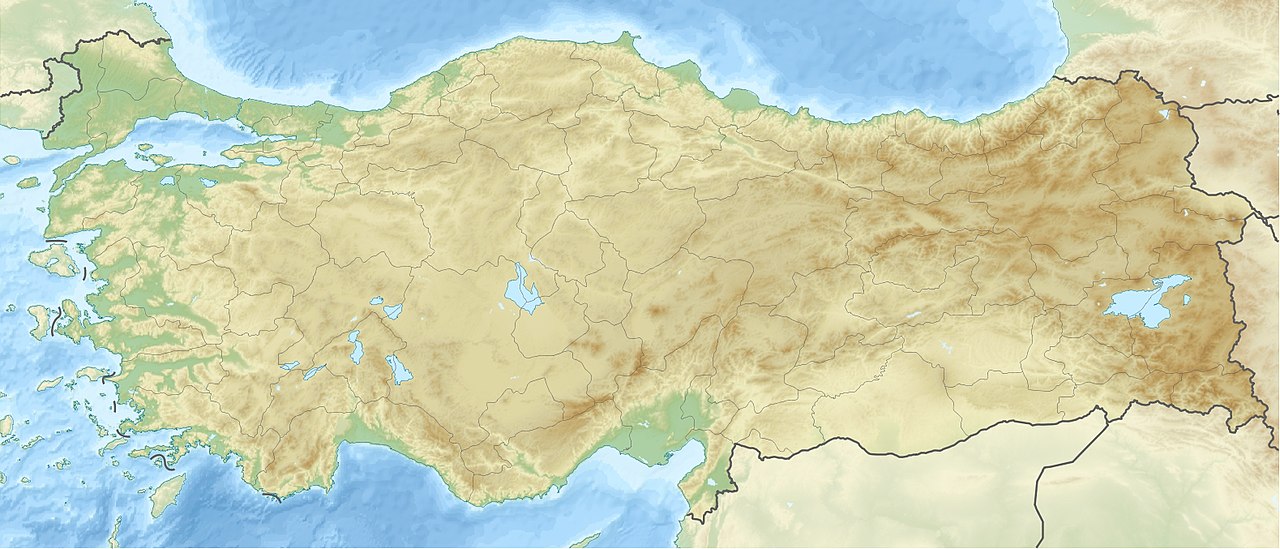
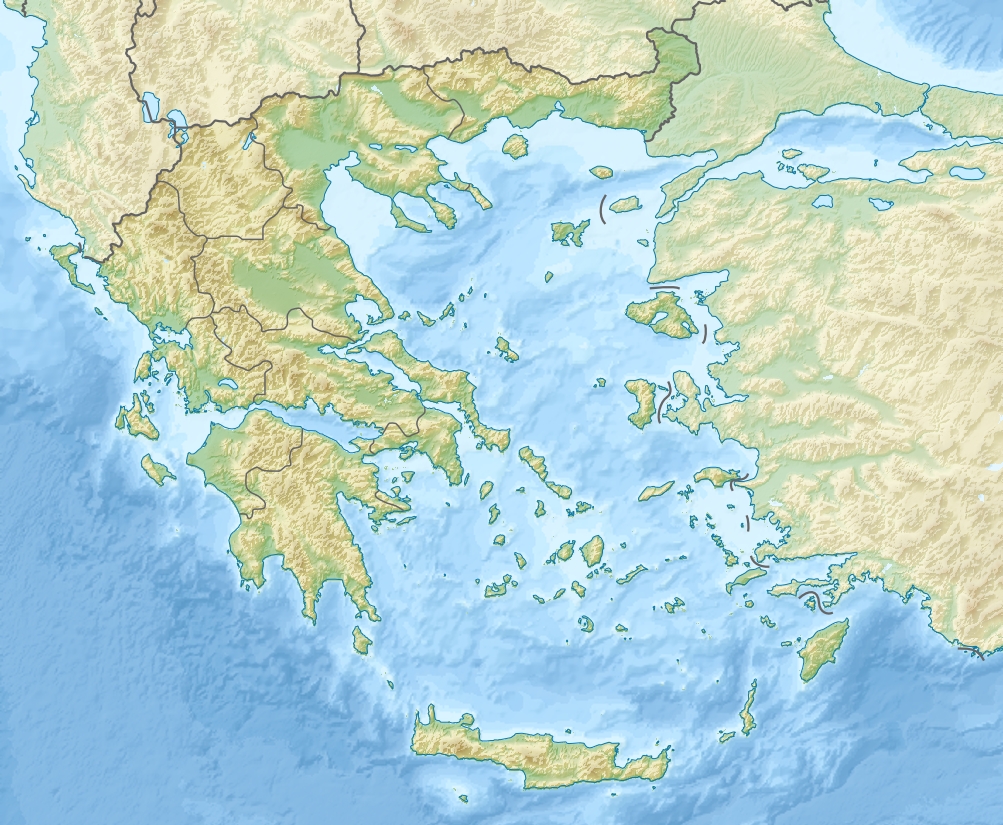
The Battle of Lade was a major naval engagement fought in 494 BC during the Ionian Revolt against the Achaemenid Persian Empire. It took place off the island of Lade, just offshore from the wealthy Ionian city of Miletus (on the coast of what is now western Turkey). The contest pitched an alliance of Ionian Greek city-states, reinforced by contingents from the nearby island of Lesbos, against a Persian fleet sent to suppress the rebellion. The Persian victory effectively ended the revolt and allowed the empire to reassert control over the Ionian cities.
Image gallery
7 Images


Forces and composition
The Greek allies were mainly maritime city-states from Ionia and nearby islands. They provided warships and crews familiar with Aegean waters but suffered from political divisions and varying levels of commitment among contingents. The Lesbians joined the Ionian coalition and provided ships and sailors. The Persian force combined imperial contingents and subject fleets, organised to exploit its numerical and logistical advantages.
Course of the battle
Contemporary narrative traditions describe a battle in which initial engagements were followed by a breakdown of cohesion among the Greek allied squadrons. Some Ionian commanders and crews, facing a sustained Persian assault and tempted by offers or fear of reprisals, abandoned the fight or withdrew. The loss of unity among the allied ships allowed the Persians to dominate the field and rout the remaining Greek vessels. The collapse at sea left Miletus exposed to siege and capture.
Aftermath and significance
The defeat at Lade led directly to the fall and severe punishment of Miletus, which marked the effective end of the Ionian Revolt. Persian authority was re-established along the Ionian coast. Strategically, the revolt’s suppression freed the Persian leadership to focus on other theatres and contributed to the chain of events that soon involved mainland Greece, including later Persian expeditions across the Aegean.
Notable points and sources
- Contemporary historians regard the main surviving account as coming from later Greek historians who relied on oral and local reports.
- The battle is often cited as an example of how political disunity and opportunism can undermine coalition warfare.
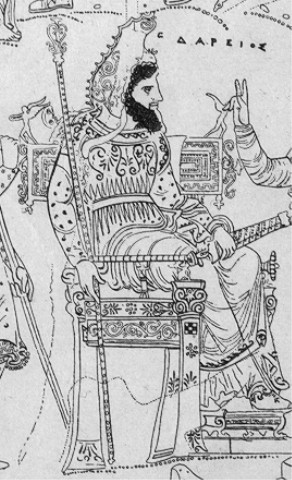
- For context on the combatants see general summaries of the Ionian cities, the role of the Lesbians, the Persian Empire, and the reign of Darius the Great.
Why it matters
Although not as widely known as later battles on the Greek mainland, Lade had immediate regional consequences and long-term diplomatic and military effects. It demonstrated the limits of local resistance against a large imperial power without external allies, and it framed subsequent Greek–Persian relations for decades that followed.
Questions and answers
Q: When did the Battle of Lade take place?
A: The Battle of Lade took place in 494 BC.
Q: Who participated in the Battle of Lade?
A: An alliance of the Ionian cities (joined by the Lesbians) and the Persian Empire of Darius the Great participated in the Battle of Lade.
Q: Who won the Battle of Lade?
A: The Persians won the Battle of Lade.
Q: Did the battle contribute to the end of a war?
A: Yes, the battle contributed to the end of the war.
Q: What happened after the Persians won the Battle of Lade?
A: The Persians won the revolt and this led to the end of the war.
Q: What was the alliance of Ionian cities and Lesbians rebelling against?
A: The alliance of Ionian cities and Lesbians were rebelling against the Persian Empire.
Q: Who was the ruler of the Persian Empire at the time of the Battle of Lade?
A: Darius the Great was the ruler of the Persian Empire at the time of the Battle of Lade.
Related articles
Author
AlegsaOnline.com Battle of Lade (494 BC) Leandro Alegsa
URL: https://en.alegsaonline.com/art/9500
Sources
- perseus.tufts.edu : I, 142–151