
Battle of Kororāreka (1845)
An overview of the Battle of Kororāreka (11 March 1845), a key early clash in the New Zealand Wars between Māori forces led by Hōne Heke and colonial troops in the town now called Russell.
Overview
The Battle of Kororāreka was a brief but consequential engagement on 11 March 1845 in the small settlement then known as Kororāreka, now Russell. It involved Māori warriors and colonial forces and took place amid rising tensions over sovereignty, trade and the meanings of the Treaty of Waitangi. The clash is often cited as an opening confrontation in the series of conflicts later known collectively as the New Zealand Wars.
Image gallery
8 Images



Background and causes
Tensions had built for several years over the presence and authority of the colonial government and its symbols. In protest against actions and policies they regarded as infringements, Hōne Heke and allies attacked symbols of British authority, repeatedly cutting down the town's flagstaff. These incidents were acts of political protest as much as local grievance: the flagstaff symbolized the Crown’s sovereignty and control. The pattern of cutting and re-erecting the pole escalated hostilities and contributed directly to the fighting that followed.
Combatants and leaders
- Māori leaders: Hōne Heke and Te Ruki Kawiti commanded a force composed largely of local iwi and their supporters.
- Colonial forces: British troops and local militia were present under officers such as William Hulme; naval vessels were anchored offshore.
- Relative strengths: Contemporary accounts describe a numerical advantage for the Māori, while the garrison in Kororāreka was small compared with the attacking force.
The attack and immediate outcome
On 11 March the Māori force attacked the town after another felling of the flagstaff. Fighting, including skirmishing around buildings and defensive positions, resulted in the settlement being heavily damaged. The defenders were unable to hold Kororāreka and colonial authorities ordered an evacuation. Civilians and some military personnel were taken off by ships in the harbour, including vessels from allied foreign navies, and transported to safety at Auckland.
Aftermath and significance
The fall of Kororāreka had several consequences: it demonstrated that organized Māori resistance could challenge colonial authority; it forced the colonial government to reassess military and political strategy in the region; and it affected public opinion in both the colony and Britain. The event also highlighted the symbolic as well as practical nature of early conflicts—attacks on flags and postures of sovereignty were as important as battlefield victories.
Key facts and distinctions
- Date: 11 March 1845.
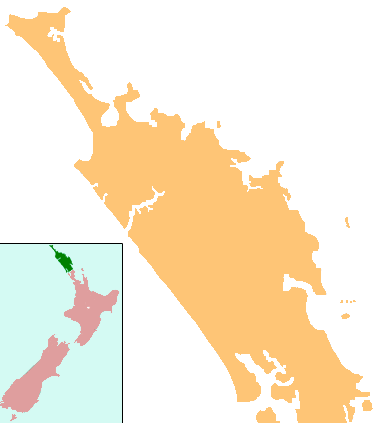
- Location: Kororāreka (modern Russell) on New Zealand’s North Island.
- Principal Māori leaders: Hōne Heke and Te Ruki Kawiti.
- Colonial presence: British Army units and naval forces.
- Symbolic issues: repeated felling of the flagpole flying the British flag was a direct catalyst for the attack.
- Evacuation: residents and troops were removed by ships to Auckland.
For further reading about the wider conflict and its place in New Zealand history, see general surveys of colonial–Māori relations and accounts of the Northern campaigns. Contemporary summaries often label the engagement simply as a battle in New Zealand and note its role in the unfolding wars between Māori and colonial forces.
This article summarizes widely reported aspects of the engagement while avoiding disputed casualty totals and contested details that require specialist citation. For in-depth primary-source material and scholarly discussion consult dedicated histories and archival collections on the Northern War period.
Related articles
Author
AlegsaOnline.com Battle of Kororāreka (1845) Leandro Alegsa
URL: https://en.alegsaonline.com/art/9497
Sources
- nzhistory.net.nz : "The Northern War: The sacking of Kororāreka"