
Street theatre: public performance on the street
Street theatre is live performance presented in public spaces. This article covers its forms, techniques, history, social roles, and distinctions from other outdoor and political theatre practices.
Street theatre refers to dramatic, comedic, musical or other staged performances presented in public, outdoor spaces rather than in a conventional theatre building. Performances take place on sidewalks, plazas, market squares, parks and at festivals. Because shows are visible and accessible to passersby, street theatre is often informal, immediate and interactive: actors may invite audience participation, adapt to interruptions, and respond to the environment. Many productions are free to watch and rely on voluntary donations or institutional support.
Image gallery
6 Images


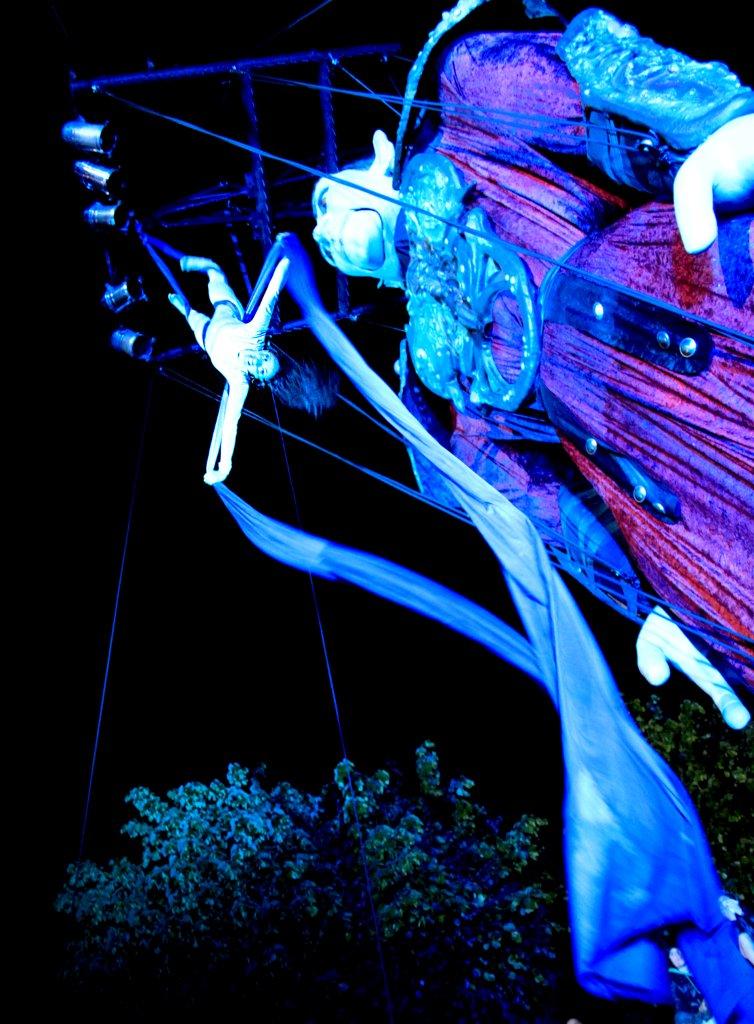
Characteristics and typical elements
Street theatre is shaped by its setting and by practical limits. Common features include minimal scenery, portable or no sets, and lightweight props and costumes. Performers usually project their voices without sophisticated amplification, work with small ensembles or solo artists, and design work to be legible to a dispersed, moving audience. Key elements are:
- Spontaneity and flexibility: shows can be short and modular so they survive interruptions or sudden relocations.
- Audience orientation: staging and blocking are arranged for 360-degree viewing or for crowds that shift and swell.
- Low tech: scripts and physical storytelling are emphasized over lighting rigs or elaborate backdrops.
- Accessibility: performances are free or pay-what-you-wish, making theatre available to a broad public.
Forms and techniques
Street performance includes a range of styles. Busking refers to solo entertainers who perform for tips and often combine theatre with music or circus skills. Guerrilla theatre emphasizes surprise actions, direct political messages and mobilization; performers may stage brief interventions in public to provoke debate. Promenade and site-specific theatre adapt a narrative to a particular location so the city itself becomes a stage. Mime, clowning, puppetry and improvisation are frequent techniques because they travel well and communicate across language barriers.
Origins and development
Roots of public performance extend back centuries, from medieval pageants and ritual dramas to itinerant troupes and popular fairs. In modern times, street theatre evolved through several currents: 19th- and early 20th-century popular entertainments, mid-20th-century political and community theatre movements, and contemporary festivals and arts-programme initiatives that promote work in public space. The form continually reinvents itself to reflect political climates, urban design and new media technologies.
Social role, uses and notable examples
Street theatre serves multiple purposes: entertainment, cultural expression, community engagement, protest and education. It can create moments of civic encounter, bring attention to social issues, or provide low-cost cultural programming. Notable uses include protest actions that deploy dramatic spectacle to highlight a cause, community projects that involve local residents in performance-making, and arts festivals that program site-specific commissions. In some regions traditional travelling operas or dramatic pageants have similar public functions; for example, various Asian traditions sometimes use the term "street opera" for outdoor staged operatic or musical dramas.
Distinctions and practical considerations
Street theatre differs from indoor theatre by its relationship with space, spectators and regulation. Outdoor work must contend with weather, municipal rules and safety concerns; many companies negotiate permits or coordinate with city authorities. Unlike purely commercial theatre, street work often privileges accessibility and immediacy over ticketed audiences. It overlaps with but is distinct from performance art, circus and parade arts in intent and method: street theatre generally retains narrative, character or ensemble-driven elements, even when strongly experimental or political.
Further reading and resources
- Introductory resource on outdoor performance
- Practical guide for street actors
- Case studies of public-space shows
- Urban venues and programming
- Market and festival performance tips
- Scripts and short-form street pieces
- Funding models and audience development
- Donation practices and ethical considerations
- Busking and collection customs
- Ensemble and company structures
- Guerrilla theatre and political performance
- Costume and prop strategies for street work
- Examples from Southeast Asian outdoor traditions
- Regional terminology and local practices
- Comparative perspectives on street opera and drama
For practitioners and scholars alike, street theatre offers a way to reclaim public space for shared cultural exchange. Its adaptability and directness make it a resilient form that continues to influence mainstream theatre and civic life.
Related articles
Author
AlegsaOnline.com Street theatre: public performance on the street Leandro Alegsa
URL: https://en.alegsaonline.com/art/94247
Sources
- commons.wikimedia.org : Street theatre