
Striptease: performance, history, and cultural context
An overview of striptease as a staged form of sensual entertainment: its performance elements, historical roots, venues, social meanings, and distinctions from related practices.
Striptease is a staged form of sensual entertainment in which a performer gradually removes clothing as part of a choreographed routine. It is presented to an audience and frequently combines music, dance, costume, lighting and theatrical persona to create tension, narrative or playfulness. As a performance genre it appears across many cultures and can be encountered in commercial clubs, theatrical revues and variety shows; see general notes on entertainment contexts and the role of the audience in live performance.
Image gallery
9 Images

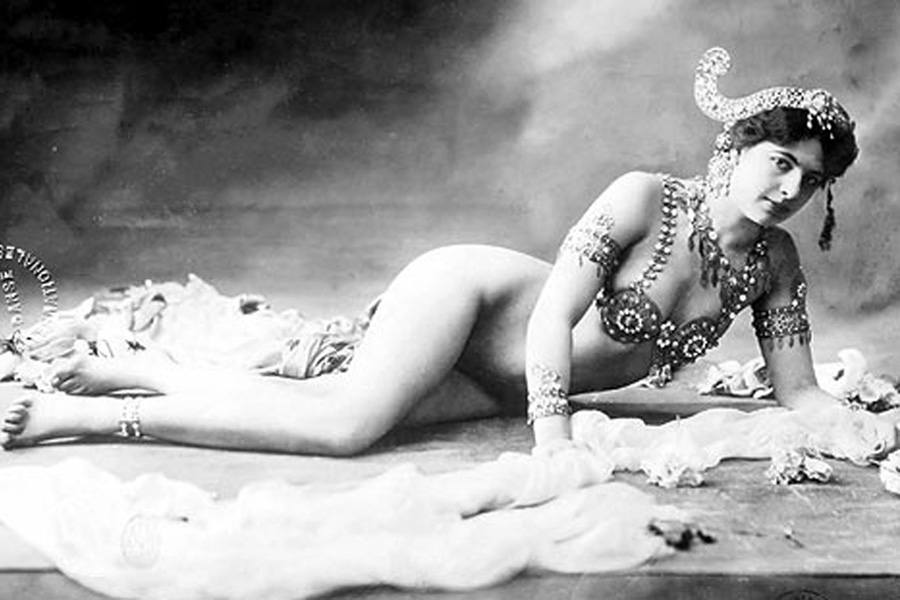


Typical characteristics and structure
Performers use pacing, movement and props to create a sense of tease rather than a direct presentation of nudity. Common elements include costume changes, symbolic garments (gloves, stockings, jackets), the use of a stage persona, and deliberate concealment or reveal. Many routines adopt a theatrical premise—historical, exotic or comedic—to shape the unfolding of the act. The tradition of burlesque often overlaps with striptease and emphasizes parody and spectacle; see further context at burlesque.
- Choreography: timing, gestures and movement that lead to removal of clothing.
- Music and rhythm: song choices and beats that guide tempo and mood.
- Costume and props: items that can be removed or repurposed as part of the tease.
- Audience interaction: eye contact, playful banter and staged proximity.
History and cultural roots
Stripping has antecedents in ritual dances, court entertainments and popular theatre. Stories and images, such as those inspired by the biblical or literary figure of Salome, have informed staged interpretations where a dance leads to a dramatic reveal; see an allusion at Salome. In modern popular culture, stylized youth or innocence tropes—sometimes referenced by names like Lolita—have been used as provocative themes, raising ethical conversations about portrayal and consent.
Venues, formats and examples
Striptease can be found in diverse settings and formats. Common venues include:
- Nightclubs and gentlemen's clubs offering stage acts and private dances.
- Theatrical revues and contemporary burlesque shows emphasizing artistry.
- Cabaret, festivals and televised variety formats where sensuality is stylized.
Forms range from solo stage numbers to interactive lap dances and themed performances that play with historical or fictional narratives. Performers and audiences may project private fantasies or erotic imagination into the encounter; see cultural studies references to erotic dreams and to patterns of exhibitionist and fantasy dynamics.
Social, legal and ethical considerations
Striptease sits at the intersection of entertainment, commerce and personal expression. Legal frameworks differ widely: some jurisdictions regulate nudity and contact; others treat adult performance as protected artistic expression. Important conversations address performer rights, workplace safety, consent, labour conditions and stigma. Advocates emphasize agency and creative authorship, while critics may raise concerns about exploitation and representation.
Today striptease appears in a spectrum from highly theatrical, skill-focused burlesque to commercial adult-entertainment routines. Its long history and adaptability mean it continues to evolve, reflecting changing social norms, legal environments and the aesthetics of performance art.
Questions and answers
Q: What is striptease?
A: Striptease is a form of entertainment where a female performer dances to music and gradually removes her clothing before an audience.
Q: What kind of performances often include striptease?
A: Striptease is often included in the theatre form called burlesque.
Q: Is stripping done in an obscene manner?
A: No, stripping is typically done in a teasing manner without being obscene.
Q: How do strippers usually hide certain parts of their body?
A: Strippers often hide certain parts of their body with hands or pieces of clothing while dancing around.
Q: Are plays sometimes arranged for striptease performances?
A: Yes, plays are sometimes arranged for striptease performances, and the strippers may be disguised as Arabic dancers, Salome, Lolita, or other well-known people.
Q: Do spectators sometimes identify with the stripper during a performance?
A: Yes, sometimes spectators identify with the stripper during a performance.
Q: What kinds of fantasies might be projected onto a striptease performance?
A: Erotic dreams and exhibitionist fantasies may be projected onto a striptease performance.
Tags
Related articles
Author
AlegsaOnline.com Striptease: performance, history, and cultural context Leandro Alegsa
URL: https://en.alegsaonline.com/art/94303
Sources
- books.google.com : Female offenders: critical perspectives and effective interventions
- books.google.com : The industrial vagina: the political economy of the global sex trade
- books.google.com : The oldest profession: a history of prostitution
- books.google.com : The Empress Theodora: Partner of Justinian