
Hat: types, history, functions and cultural significance
A hat is a head covering worn for protection, status, ritual or fashion. This article outlines forms, components, historical development, occupational and ceremonial uses, and social meanings of hats.
Overview
A hat is a form of head covering worn for practical, symbolic or decorative reasons. Traditionally defined as a distinct article of headwear, a hat differs from a cap or helmet by construction, style and social meaning. In general usage a hat is any covering placed on the head; for a basic definition see covering for the head. Hats appear across cultures and age groups and may be gendered, unisex, ceremonial or purely ornamental.
Image gallery
10 Images



Common parts and materials
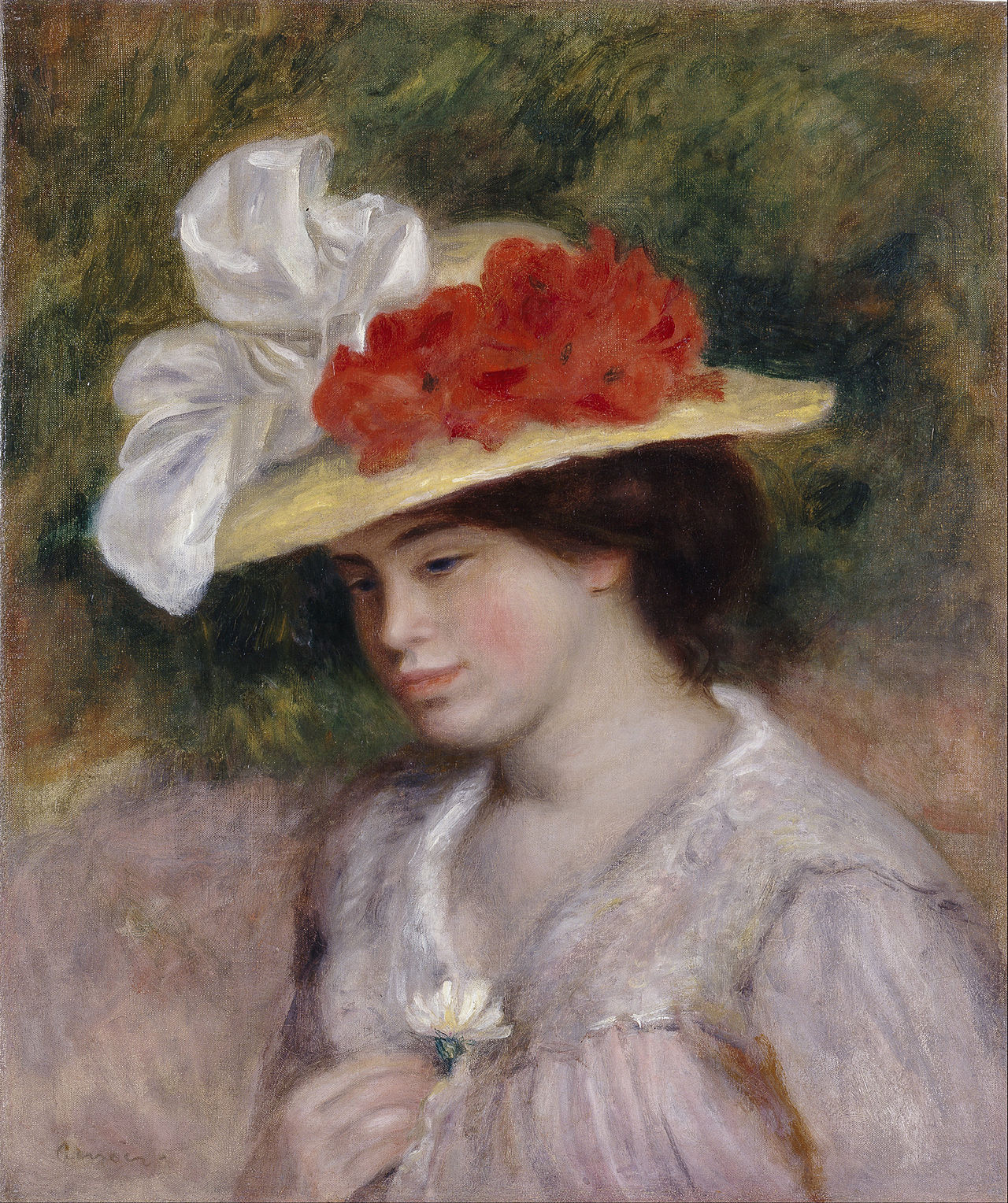
Most hats share a few basic elements: a crown that covers the top of the head, a brim or visor that projects outward in some styles, and an internal band or lining for comfort and fit. Materials range from felted wool and straw to leather, cloth and modern synthetics. Construction techniques include felting, blocking over wooden moulds, knitting, and weaving; finishing details can include linings, sweatbands and trimmings such as ribbons or feathers.
Types and examples
- Brimmed hats: wide-brimmed styles like fedoras and sun hats that offer shade and weather protection.
- Caps: close-fitting headwear with a visor, including baseball caps and flat caps.
- Structured ceremonial headgear: forms tied to office or ritual—examples include the mitre worn by certain bishops and the crown associated with monarchs.
- Regional and religious coverings: turbans, veils and various traditional hats that identify community or faith.
- Occupational and protective headwear: helmets, hard hats and specialized caps used for safety or uniformed roles.
History and development
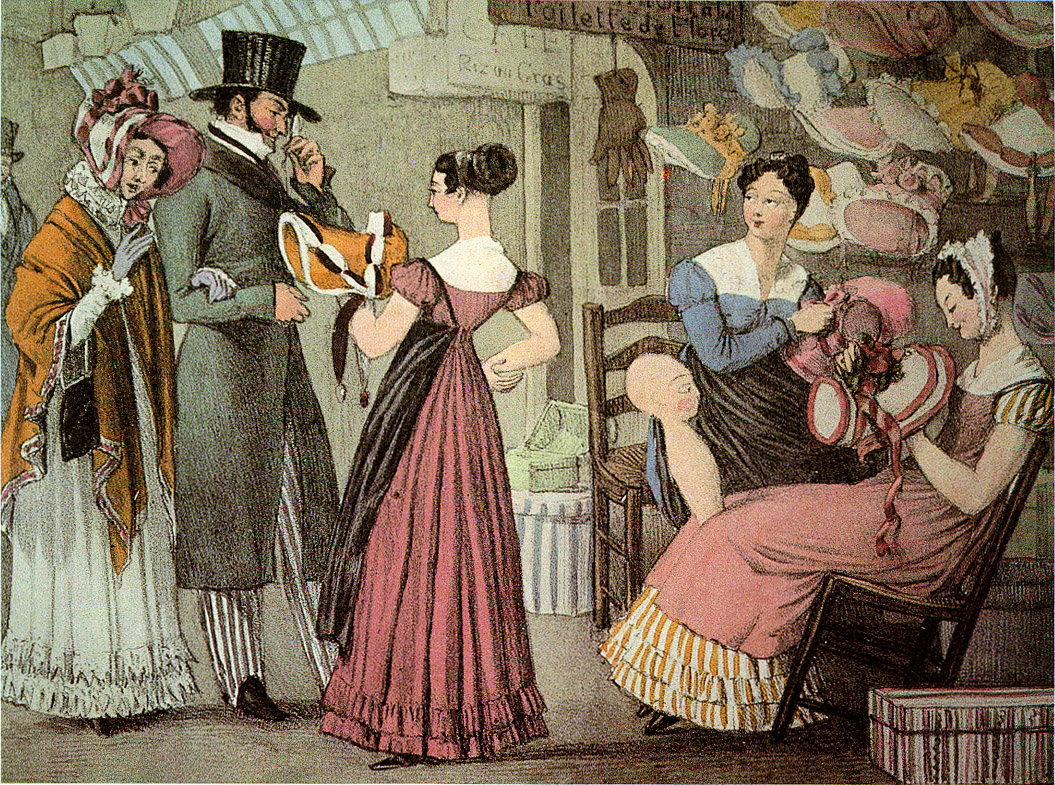
Hats have been present in human societies for millennia. Archaeological and pictorial records show head coverings in ancient Egypt, Mesopotamia and across Eurasia. Over centuries hats evolved as markers of social rank, profession and fashion. In the 18th and 19th centuries, hatmakers—traditionally called hatters for men’s hats and milliners for women’s—developed many popular silhouettes. By the mid-20th century, changes in dress codes and industrial production altered hat use: everyday wear declined in some regions while ceremonial and fashion uses persisted.
Social roles, etiquette and occupational use
Hats often convey social messages. Uniformed professions use specific headgear to indicate rank or function; for instance, in some traditions foremen or supervisors wore bowler hats while other workers used simpler caps. Certain legal and liturgical offices employ distinct head coverings—some legal systems historically used wigs and specific hats to mark officeholders; wigs themselves are a form of head covering with a separate history and function (wigs and lawyers are examples of this association).
Uses, fashion and notable facts
Today hats serve practical functions—sun protection, warmth, safety—and fashion purposes, including seasonal trends, couture millinery and streetwear. Ceremonial hats remain important in many cultures for rites of passage, state occasions and religious services. Collecting, restoration and traditional hat-making persist as crafts, and modern designers continue to reinterpret historic shapes. For more general information about headwear forms and cultural context see resources linked here: definition and overview, religious headgear, and ceremonial examples.
Distinctions to note: not every head covering is a hat—helmets are protective equipment, wigs are hairpieces, and some veils or bandanas fall into other categories—yet all share the common purpose of modifying appearance, protecting the wearer, or signalling identity and role.
Questions and answers
Q: What is a hat?
A: A hat is a type of covering for the head.
Q: Who wears hats?
A: Hats are worn by women, men, infants and children. Some hats are not worn by anyone at all and are just used for decoration.
Q: Who makes hats for men?
A: People who make hats for men are called hatters.
Q: Who makes hats for women?
A: Those who make hats for women are called milliners.
Q: Are there different types of hats or caps in different countries?
A: Yes, the kinds of hats (or caps) worn by different groups within various societies in different countries are very numerous.
Q: Do some types of hats or caps signify social roles?
A: Yes, some types of hats or caps are worn as a sign of social roles. For example, bishops wear mitres and some lawyers wear wigs on specific occasions. Monarchs also wear crowns on special occasions.
Q: Does clothing send social messages about what kind of person someone is?
A: In traditional societies it was expected that people would dress appropriately so that other people could know from their clothes what kind of person was on view. That aspect of clothing in general is much less true today than it used to be.
Related articles
Author
AlegsaOnline.com Hat: types, history, functions and cultural significance Leandro Alegsa
URL: https://en.alegsaonline.com/art/42780