
Tamburlaine: Christopher Marlowe’s two-part tragedy about Timur
A concise encyclopedia entry on Marlowe’s Tamburlaine: its plot and structure, historical background, dramatic innovations (blank verse, rhetoric), themes of ambition and power, and its influence.
Overview
Christopher Marlowe's Tamburlaine is a two-part Elizabethan tragedy that dramatizes the rise of the Central Asian conqueror Timur (often called Tamerlane or Timur the Lame). First acted in the late 1580s and printed in 1590, the plays follow an ambitious shepherd-turned-warrior whose relentless drive for domination shapes the narrative. The central figure's combination of charisma, brutality and eloquence makes Tamburlaine a striking example of a Renaissance overreacher.
Image gallery
4 Images
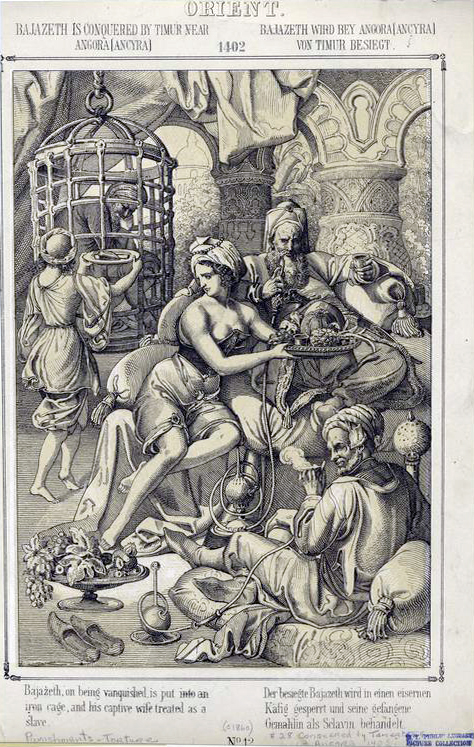


Structure and principal characters
The work is divided into Part I and Part II. Together they trace the military campaigns, political confrontations and personal relationships that accompany Tamburlaine's conquests. Key figures include Tamburlaine himself and Zenocrate, a princess who becomes his companion; a succession of defeated rulers and generals populate the stage, providing episodes of battle, negotiation and moral contrast.
Historical background and composition
Marlowe wrote Tamburlaine early in his career. The plays draw on contemporary European accounts of Timur and on classical and medieval models of epic and tragedy. While not a strict biography, the drama adapts historical material to explore themes valued by Elizabethan audiences: glory, fortune, and the costs of ambition. The exact staging history is not fully documented, but the first performances are usually dated to the late 1580s and the printed text appeared in 1590.
Style, themes and innovations
Tamburlaine is notable for its energetic blank verse and forceful rhetoric. Marlowe expanded the expressive range of English dramatic poetry, using long lines and bold metaphors to convey a heroic yet ruthless protagonist. Recurring themes include unbounded ambition, the tension between love and power, religious pretence versus political calculation, and the spectacle of conquest.
- Form: early use of unrhymed iambic pentameter (blank verse) for dramatic intensity.
- Themes: ambition, tyranny, glory, the human cost of empire.
- Tone: grand, confrontational, occasionally brutal.
Reception and influence
Tamburlaine was a breakthrough for Marlowe and a formative work of Elizabethan drama. Its theatrical spectacle and poetic vigor influenced contemporaries and later playwrights, helping to expand the possibilities of English serious drama. Performances over the centuries have varied between admiration for its language and discomfort with its violence, and modern criticism often places the plays within studies of power and identity in Renaissance literature.
Notable distinctions
Unlike strictly historical chronicles, Tamburlaine transforms a real ruler into a larger-than-life tragic figure. Its fusion of epic ambition with intimate episodes—such as relationships and betrayals—makes it a transitional work between medieval chronicle plays and the psychological tragedies that followed. Readers and audiences today encounter it as an early and influential experiment in English tragic drama.
Related articles
Author
AlegsaOnline.com Tamburlaine: Christopher Marlowe’s two-part tragedy about Timur Leandro Alegsa
URL: https://en.alegsaonline.com/art/96193