
Teatro di San Carlo — historic opera house in Naples
Teatro di San Carlo in Naples, founded 1737, is one of Italy's oldest and largest opera houses. Renowned for premieres, a horseshoe auditorium and continuous musical tradition, it remains a central venue for opera and ballet.
Overview
The Teatro di San Carlo is a major opera house in Naples, Italy. Opened in 1737 by order of King Charles VII, its name literally means Theatre of Saint Charles. Often shortened to Teatro San Carlo or simply San Carlo, it quickly earned a reputation for large-scale productions and has been an influential institution in the Italian operatic tradition. For general information and schedules see the theatre's public resources at Teatro di San Carlo.
Image gallery
10 Images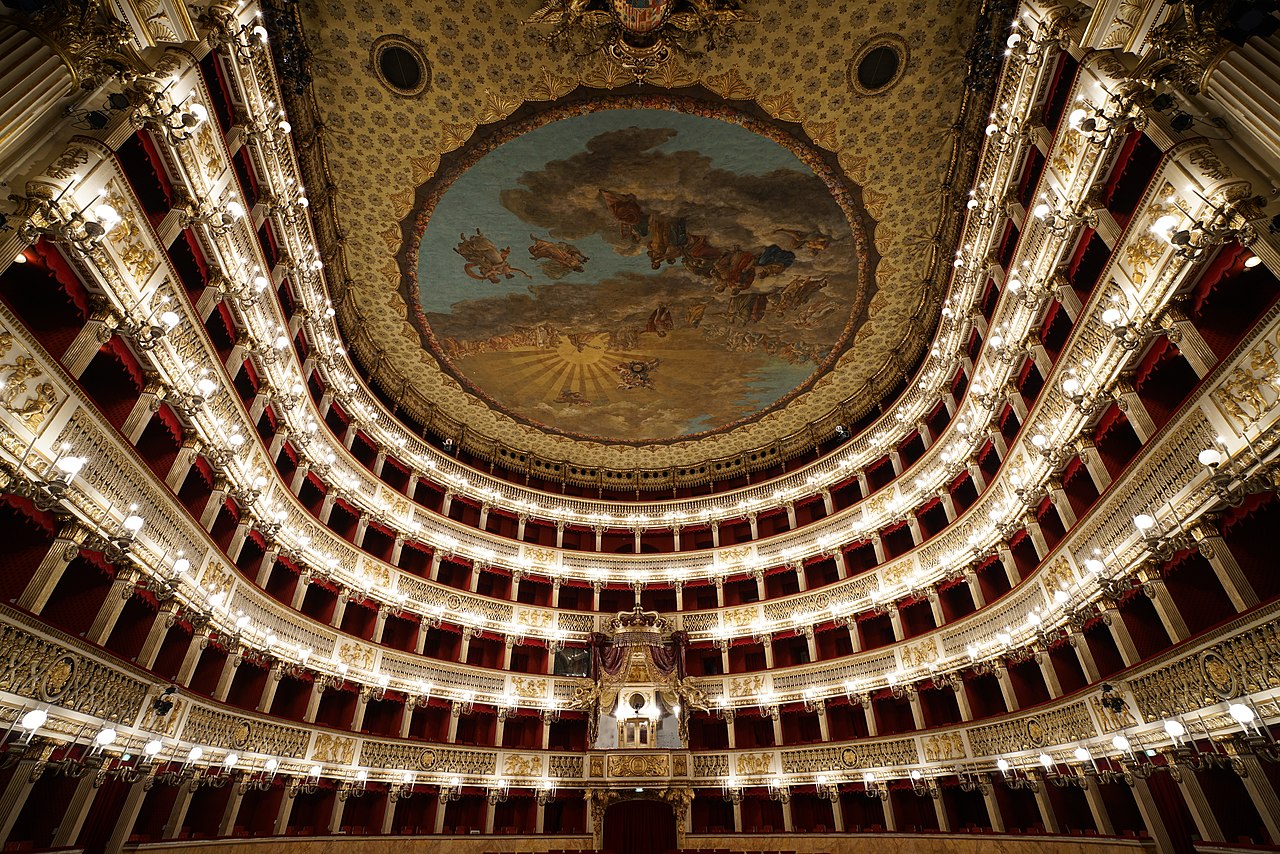





Architecture and layout
The house is characterised by a horseshoe-shaped auditorium with multiple tiers of private boxes facing the stage. This arrangement produces intimate sightlines and acoustic warmth prized in opera design. Historically the stage and machinery supported elaborate scenic effects; the richly decorated interior combines painted ornament, gilding and a prominent chandelier. The overall design became a reference point for later Italian theatres.
History and development
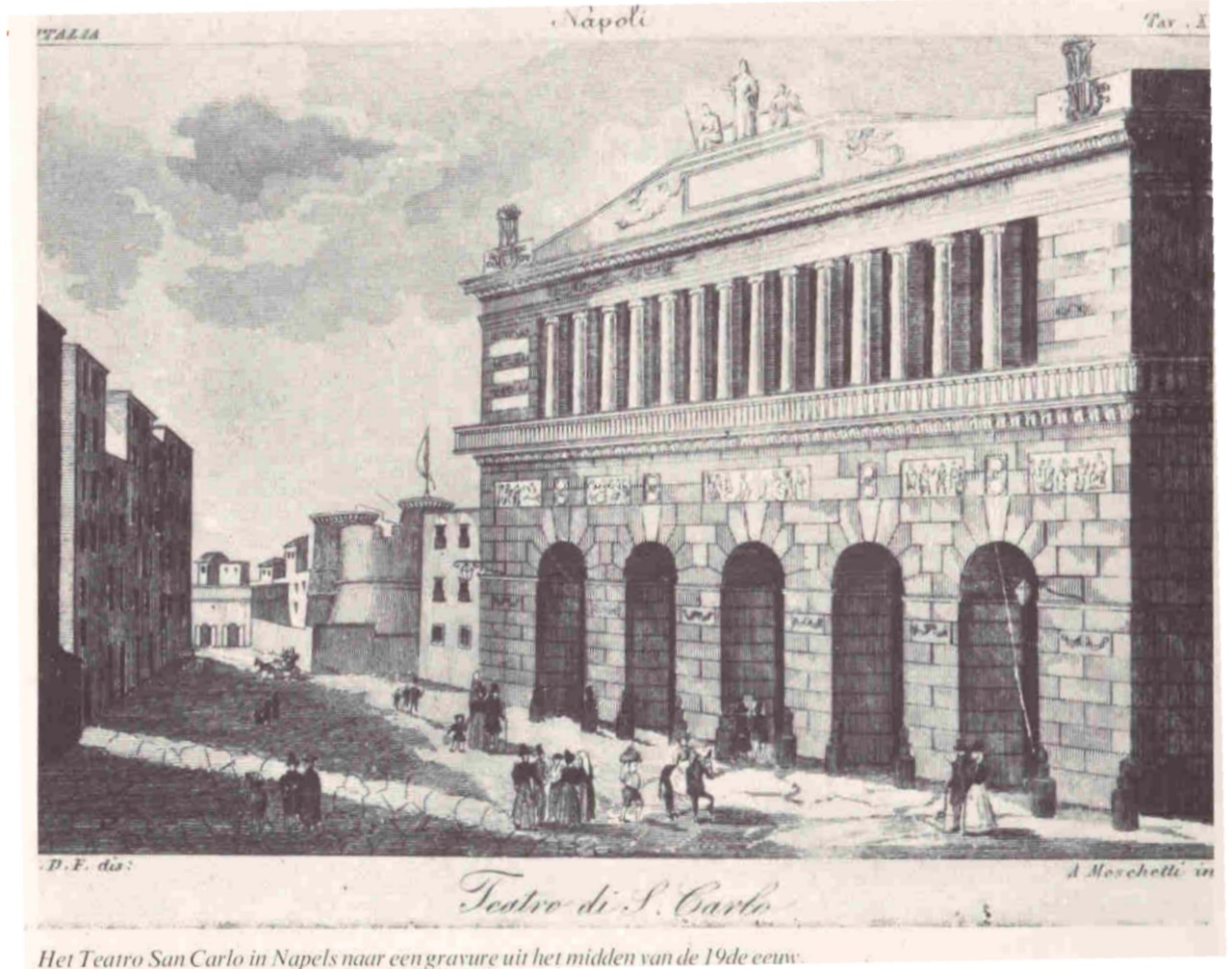
Built for the Bourbon court in the mid-18th century, the theatre has gone through significant episodes of change. A major fire in the early 19th century destroyed much of the auditorium; the venue was rebuilt and reopened under a new architectural plan that preserved its original spirit while updating structures and public areas. Over the centuries the San Carlo has seen restorations and technical upgrades that allow historic performances to be mounted with modern production standards.
Significance and repertoire
The San Carlo has been a site for important premieres and artistic activity. Numerous operas had their first performances on its stage; among them were many works by 19th-century Italian composers. The house played a special role in the careers of composers associated with Naples and contributed to the development of opera buffa and opera seria alike. Its resident companies include orchestral and ballet ensembles that sustain a year-round season of opera, concerts and dance.
Key characteristics and notable facts
- Founded in 1737 for the Bourbon monarchy; one of Italy's oldest active opera houses.
- Horseshoe auditorium with traditional tiers of private boxes.
- Scene of many first performances; for example, several works by Donizetti and Rossini premiered here — an important centre for new Italian opera premieres.
- Has undergone major restorations, notably after an early 19th-century fire, to preserve historical character while improving facilities.
Today
In contemporary practice the Teatro di San Carlo functions both as a living performance house and a cultural landmark. Its season combines traditional repertory with new productions, guest artists and touring companies. The building attracts visitors for performances and guided tours, and it remains a focal point of Naples' musical and civic life. For programming and visitor information consult official links and local cultural guides at Teatro di San Carlo and regional resources.
Questions and answers
Q: What is the Teatro di San Carlo?
A: The Teatro di San Carlo is a famous opera house located in Naples, Italy.
Q: What other names is the Teatro di San Carlo sometimes called?
A: The Teatro di San Carlo is sometimes called the Teatro San Carlo or simply the San Carlo.
Q: What does the name Teatro di San Carlo mean?
A: The name Teatro di San Carlo means Theatre of Saint Charles.
Q: When was the Teatro di San Carlo built?
A: The Teatro di San Carlo was built in 1737.
Q: Was the Teatro di San Carlo the biggest opera house in the world when it was built?
A: Yes, when it was first built, the Teatro di San Carlo was the biggest opera house in the world.
Q: Is the Teatro di San Carlo still one of the biggest opera houses in Italy?
A: Yes, the Teatro di San Carlo is still one of the biggest opera houses in Italy.
Q: How significant is the Teatro di San Carlo to the history of opera?
A: Many important operas were first performed at the Teatro di San Carlo, including seventeen of Donizetti's operas and eight of Rossini's operas, making it an important historical landmark in the development of opera.
Related articles
Author
AlegsaOnline.com Teatro di San Carlo — historic opera house in Naples Leandro Alegsa
URL: https://en.alegsaonline.com/art/96666
Sources
- books.google.com : Classical Destinations II
- books.google.com : "San Carlo"
- guardian.co.uk : "Naples opera house to reopen after €65m restoration"
- acoustics.org : "The Acoustics of the Italian Opera House Teatro di San Carlo in Naples, Italy"
- teatrosancarlo.it : Il Teatro e la sua Storia (The Theatre and its History)