
Tartuffe (Tartuffe, ou l'Imposteur) — Molière's satire of hypocrisy
A five-act comic play by Molière about religious hypocrisy, first staged at Versailles in 1664. Known for its satire, controversy with religious authorities, and lasting influence on dramatic comedy.
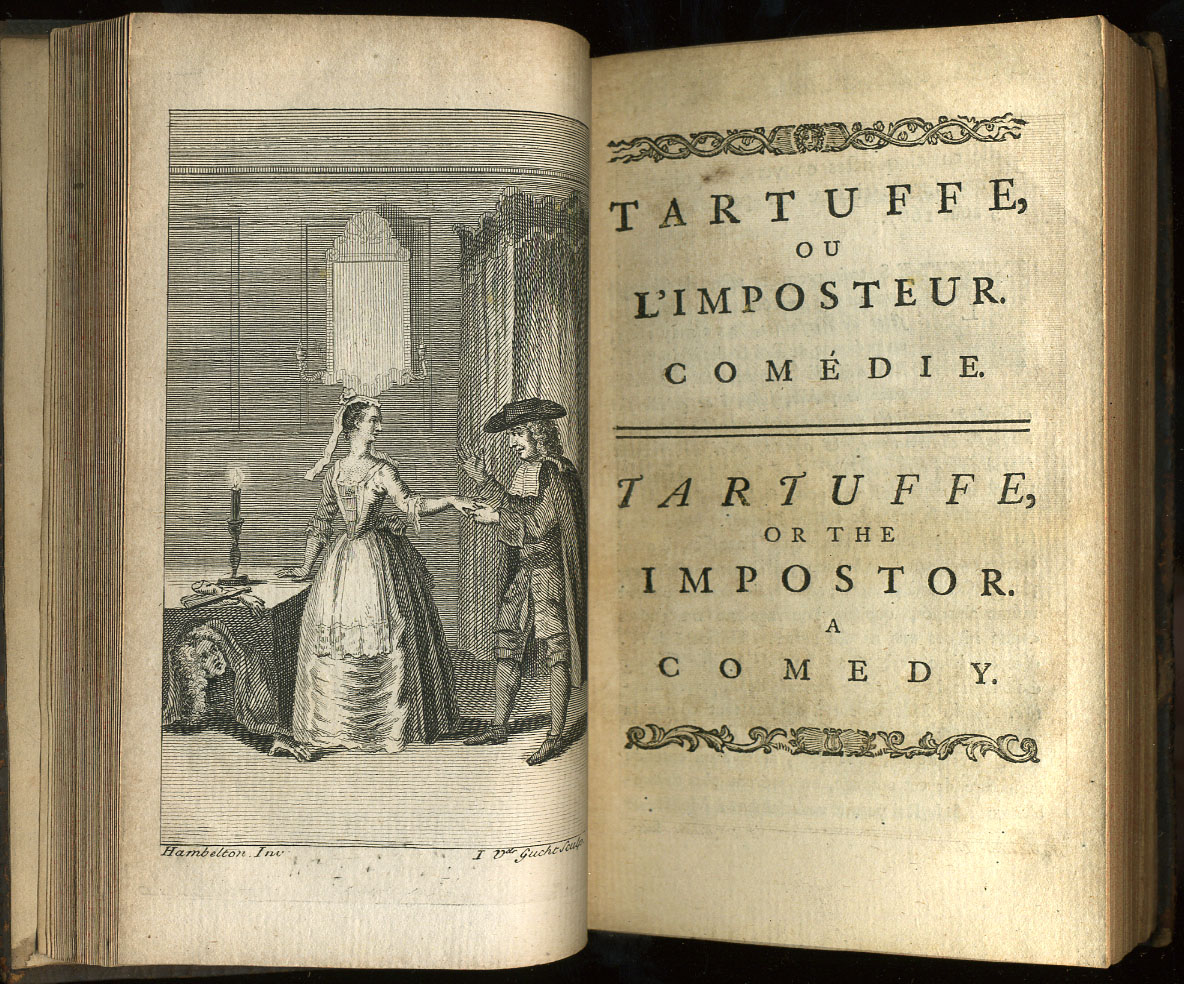
Tartuffe is a five-act comedy in verse by the French playwright Molière. First performed at Versailles on May 12, 1664, it is commonly given the French title Tartuffe, ou l'Imposteur. The play lampoons counterfeit piety and the social danger posed by a charismatic hypocrite who exploits religious language to gain influence and wealth.
Image gallery
3 Images
Plot overview
The household head Orgon has been taken in by Tartuffe, a man who pretends great devotion while scheming to possess Orgon's family and fortune. Orgon insists that Tartuffe be trusted and even promises him his daughter's hand, despite her love for another. Family members and servants try to expose Tartuffe's true character; their warnings meet Orgon's stubborn faith. The plot mixes farcical episodes, attempted seduction, legal trickery and finally a decisive intervention that unravels the imposture.
Principal characters
- Orgon — the head of the household, deceived by Tartuffe
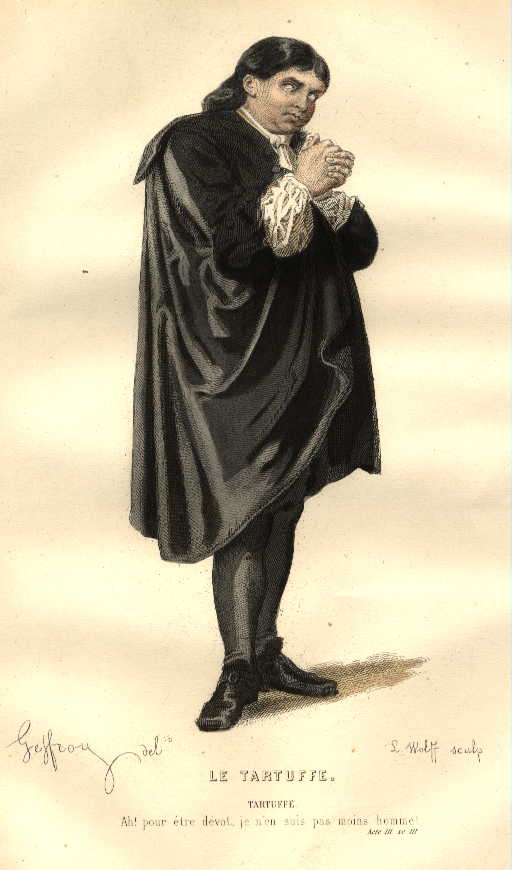
- Tartuffe — the hypocrite whose piety is a mask for ambition
- Elmire — Orgon's sensible wife
- Damis, Mariane, Valère, Cléante, and Dorine — family and servant figures who voice reason or comic resistance
The play is written in rhymed alexandrine verse and blends sharp satire with tightly plotted comedy. Molière contrasts public expressions of faith with private behavior, using irony and comic timing to reveal how moral language can be manipulated.
History and reception
At its first performances the work provoked strong opposition from religious and conservative circles who felt personally attacked. As a result the piece was suppressed for a period; Molière revised it, and with court protection it was eventually restored to the stage. The controversy helped cement the play's reputation as a bold social critique.
Legacy: Tartuffe remains one of Molière's best known plays. It is frequently staged and translated, and its portrait of hypocrisy continues to resonate in discussions of religion, power and social gullibility.
Related articles
Author
AlegsaOnline.com Tartuffe (Tartuffe, ou l'Imposteur) — Molière's satire of hypocrisy Leandro Alegsa
URL: https://en.alegsaonline.com/art/96444