
Sound: physical phenomenon, perception, and geographic meaning
A concise, neutral overview of sound: its physical nature, how it travels and is perceived, practical uses, and the separate geographic meaning of ‘sound’ as a body of water.
Overview
Sound commonly refers to mechanical waves that propagate through a material medium and can be detected by hearing organs. It is produced when an object vibrates and sets nearby particles into oscillatory motion. Those oscillations travel outward as alternating regions of higher and lower pressure until they interact with a receiver such as an ear or a microphone. The word "sound" also has a distinct geographic sense: it can denote a relatively large inlet, bay, or channel of water.
Image gallery
10 Images






Physical nature and basic properties
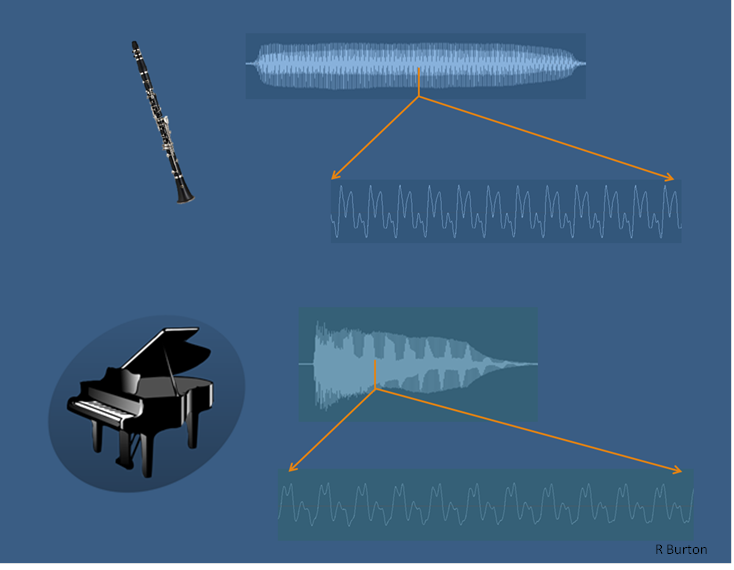
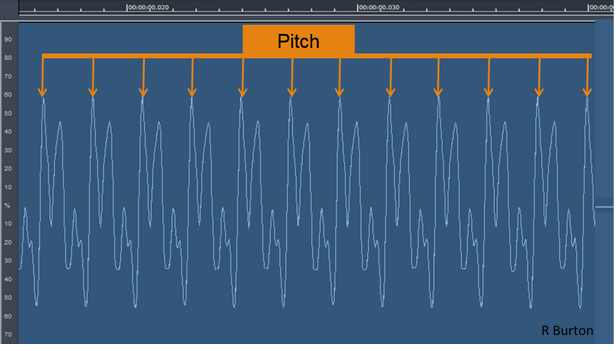
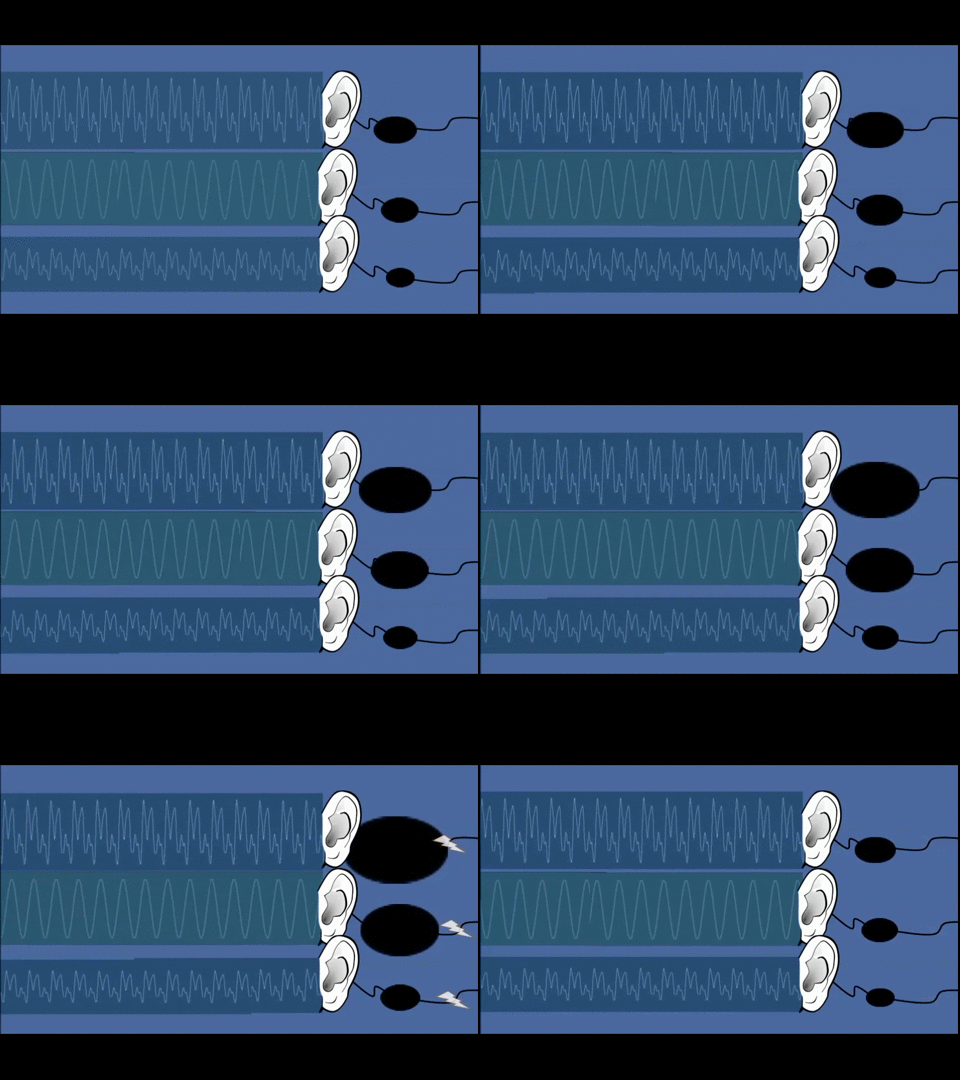
At the microscopic level, sound consists of longitudinal pressure variations. Regions where particles are pressed closer together are called compressions, and regions where particles are more widely spaced are called rarefactions. These alternating compressions and rarefactions form a traveling disturbance that carries energy without transporting matter over long distances. Frequencies, amplitudes, and timbres are among the primary characteristics that determine what a listener perceives. Frequency relates to pitch, amplitude to loudness, and timbre to the quality or color of a sound.
Media and speed
Sound requires a material medium to travel; it cannot move through a perfect vacuum. It propagates in gases, liquids, and solids, and its behavior depends on the medium's mechanical properties. In general, sound moves faster in solids than in liquids, and faster in liquids than in gases, because particle spacing and bonding influence how quickly compressional disturbances transfer. The same vibrating source will produce different transmission and attenuation characteristics depending on whether the energy travels through air, water, or a solid structure.
Perception, communication, and uses
Biological hearing systems convert mechanical vibrations into nerve signals that the brain interprets. Human speech, music, and many animal calls are complex patterns of vibration used for communication. Sound is also used in technology and measurement: sonar and medical ultrasound employ reflected sound waves to probe underwater environments or internal anatomy, and acoustic engineering designs spaces and devices to control unwanted noise and enhance desired sounds. Irregular, unpredictable vibrations are typically perceived as noise rather than as structured tones.
Geographic meaning and examples
In geography the term "sound" identifies a coastal waterway such as a broad inlet, a passage between islands, or a channel linking two larger bodies of water. This usage highlights the word's dual meaning: one scientific and one place-name. A sound in this sense can serve as an important route for navigation, fisheries, and ecological exchange.
Summary and distinctions
- Nature: sound as a mechanical wave versus sound as a water body (geographic).
- Structure: alternating compressions and rarefactions (wave regions).
- Generation: vibrations of objects such as musical instruments or mechanical sources (sources).
- Transmission: requires a medium—solids, liquids, gases—each affecting speed and attenuation (mediums).
- Detection: sensory organs and instruments convert pressure variations into signals (detection).
- Applications: communication, navigation, imaging, and architectural acoustics (applications).
For further reading, explore basic experiments such as observing a vibrating membrane on a simple drum or noticing how a ringing object transmits sound through air and solid supports (vibration demo). Consider how musical instruments shape timbre by combining modes of vibration (instruments), or how percussive impacts differ from sustained tones produced by strings or air columns (comparisons). Simple demonstrations include striking a drum or cymbal and feeling nearby air motion and surface vibration (examples).
Study of sound touches multiple fields: physics for wave behavior (physics), engineering for devices and measurement (engineering), biology for hearing and communication (biology), and geography for coastal features termed "sounds" (coastal). Distinguish between musical tones and noise based on regularity and structure (music, noise), and remember that acoustic waves are longitudinal in simple media though complex interactions can produce transverse or shear responses in solids (wave types). An ordered sequence of compressions and rarefactions composes a traveling sound disturbance (wave sequence, compression, rarefaction).
Questions and answers
Q: What is sound?
A: Sound is a type of wave created by vibrations of molecules. It can be heard when it goes through a medium to the ear.
Q: How are sounds made?
A: Sounds are made by vibrations of molecules. For example, when someone hits a drum or cymbal, the object vibrates and makes air molecules move which creates sound waves.
Q: What are the three different mediums that sound travels through?
A: The three different mediums that sound travels through are solids, liquids, and gas.
Q: What causes sound waves?
A: Sound waves are caused by vibrations of molecules in the air. When an object vibrates, it creates air molecules to move which then create sound waves.
Q: How do we hear sounds?
A: We hear sounds when the vibrating air molecules reach our ears and cause our eardrum to vibrate in the same way as the object that started the sound wave did originally.
Q: Are all sounds regular vibrations?
A: No, not all sounds are regular vibrations; irregular vibrations make up noise while people can make very complex sounds for speech.
Q: What is compression and rarefaction in terms of sound waves?
A: Compression is part of a sound wave where air molecules are pushed together while rarefaction is part of a wave where air molecules are far away from each other - these two parts create a sequence known as a sound wave.
Related articles
Author
AlegsaOnline.com Sound: physical phenomenon, perception, and geographic meaning Leandro Alegsa
URL: https://en.alegsaonline.com/art/92069