
Shore: land at the edge of seas, oceans, lakes and rivers
A shore is the zone where land meets a body of water. This article explains shore types, formation processes, ecological roles, human uses, and distinctions such as beaches, coasts and intertidal areas.
Overview
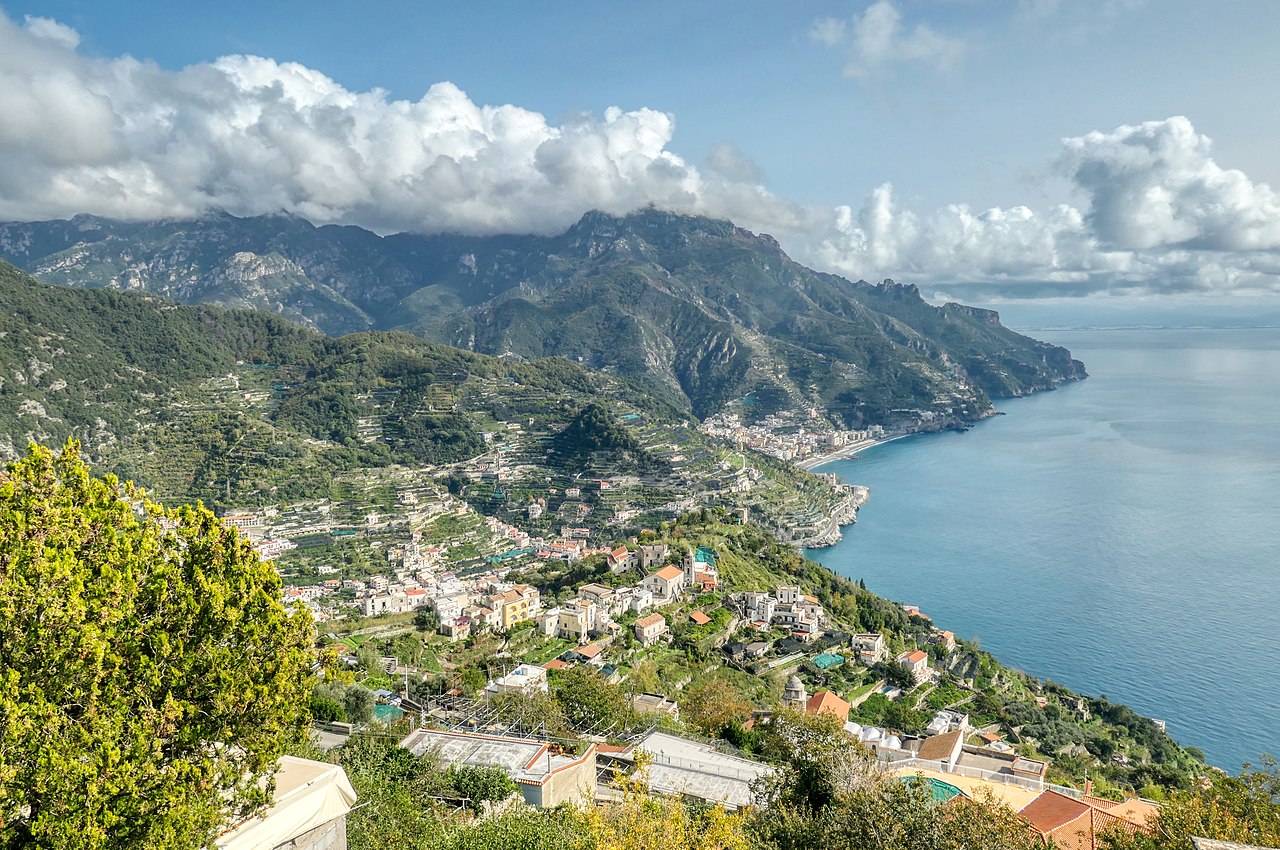
A shore is the strip of land that borders a large body of water. It can occur beside an ocean, a river, a sea or a lake. When the adjacent water is marine, the shore is often referred to as a coast. The term covers a range of environments from rocky cliffs to broad sandy expanses and muddy tidal flats. A shore includes the area alternately exposed and submerged by changing water levels, commonly called the intertidal zone, and extends inland to the first significant change in landform or vegetation.
Image gallery
10 Images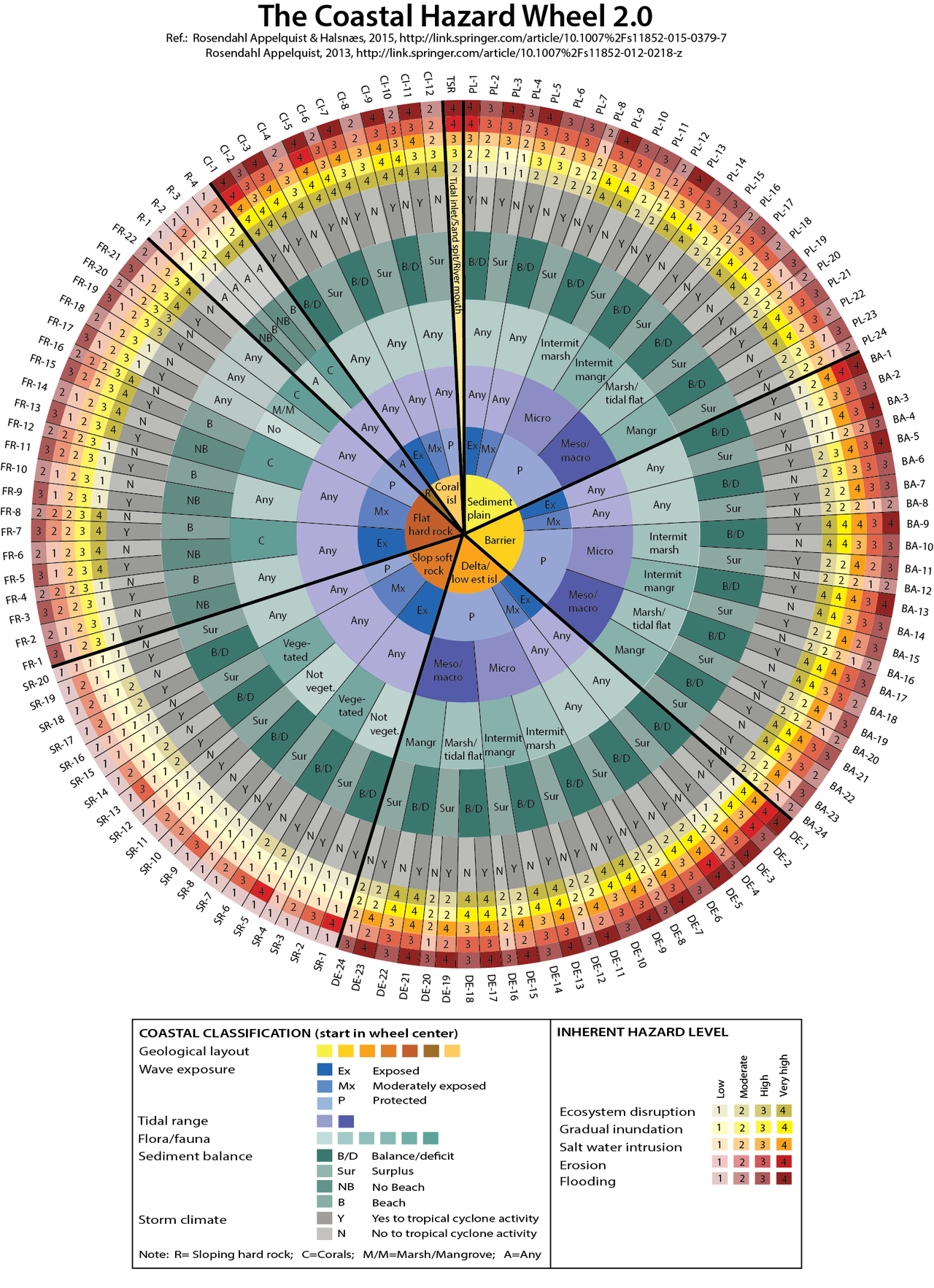





Physical characteristics and common types
Shorelines differ according to geological and landscape factors. The local topography and geological composition of underlying rock and soil determine whether a shore is steep and rocky, gently sloping and sandy, or low and muddy. Typical forms include:
- Rocky shores and cliffs, where resistant bedrock stands against wave action.
- Sandy beaches formed from eroded and transported fine sediments.
- Pebbly or shingle shores composed of coarse fragments.
- Mudflats and marshes in sheltered, low-energy settings where fine sediments accumulate.
Processes that shape shores
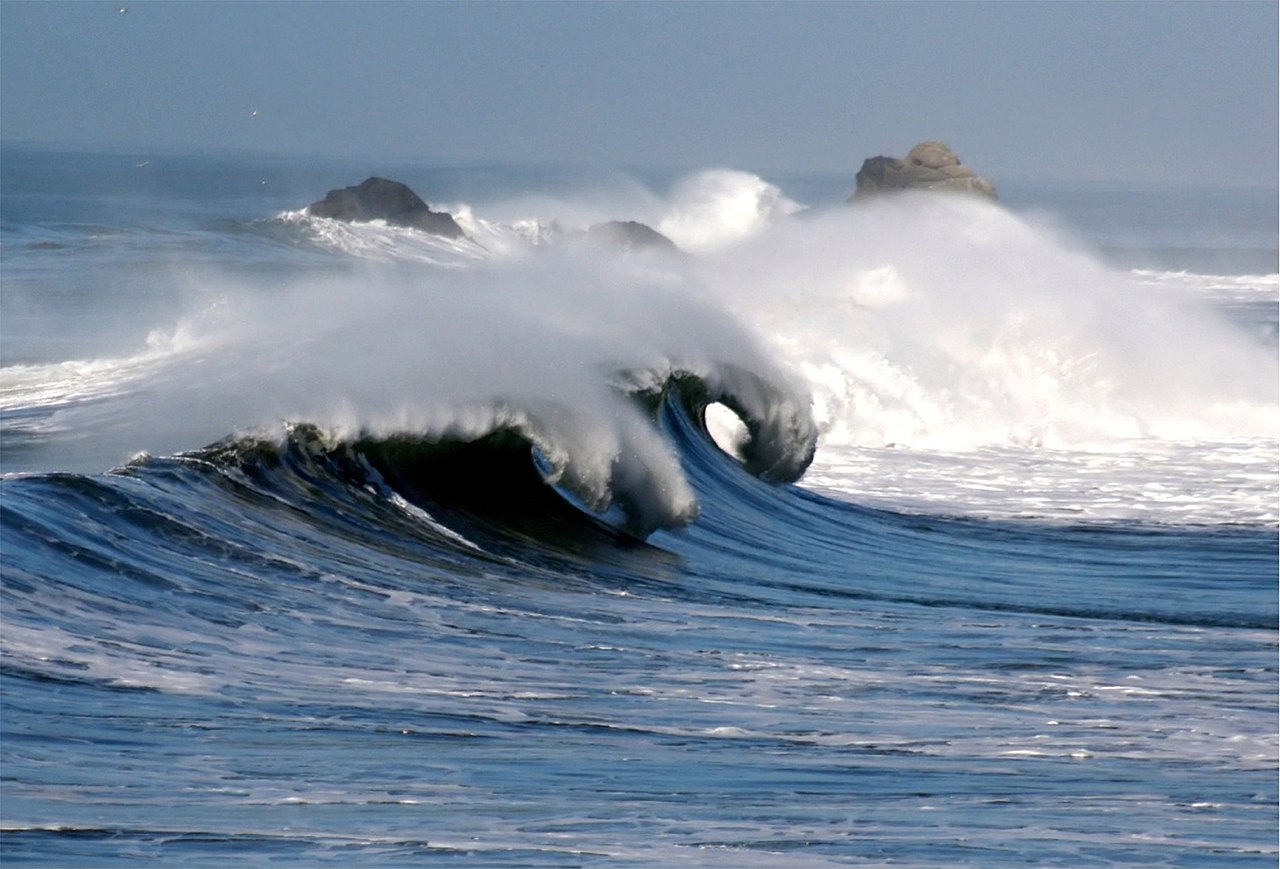
Shorelines are dynamic systems shaped by water movement, sediment supply and climatic conditions. Erosion by currents and waves removes material from some locations, while deposition builds up beaches and spits elsewhere. Tidal cycles and seasonal storms redistribute sediments and alter the visible shoreline. Human activities such as construction, dredging and coastal defenses also change natural patterns, sometimes accelerating erosion or reducing the supply of replenishing sediments.
Ecology and human uses
Shores support specialized plant and animal communities adapted to fluctuating water levels and salinity. The intertidal and nearshore zones provide feeding, breeding and nursery habitats for fish, shellfish, birds and invertebrates. People use shores for navigation and safety, which is why prominent sites often feature a lighthouse. Recreational activities, ports and coastal development also concentrate along these edges. Where waves and tides deposit fine material, a beach can form and become a focal point for tourism.
History, cultural importance and distinctions
Human settlements have long clustered near shores because they provide transport corridors, food resources and trade opportunities. Cultural landscapes associated with shores include fishing villages, harbors and promenades. Distinctions between terms are useful: "shore" is a general word for the land-water interface, "coast" usually refers to the seaward margin of continents, and "beach" denotes accumulations of loose sediment like sand or pebbles. Understanding these differences helps in planning, conservation and communicating about hazards such as erosion or flooding.
Management and notable facts
Modern shore management balances human use with ecological protection. Strategies include managed retreat, beach nourishment, and construction of hard or soft coastal defenses. Protecting natural processes and sediment supplies is important to maintain beaches and wetlands. For more technical or region-specific information consult resources on coastal geology, tidal science and riverbank ecology via links such as ocean studies, river management and topographic surveys or educational portals at sea and coast information centers.
Additional reading and practical guides are often available through local environmental agencies and academic programs; look for materials on sediment dynamics, tidal ecology and shoreline engineering at institutions referenced by erosion, waves, geological studies or soil and habitat conservation pages. For recreational visitors and planners alike, awareness of shore processes and respect for intertidal habitats help preserve these transitional zones for the future.
Related articles
Author
AlegsaOnline.com Shore: land at the edge of seas, oceans, lakes and rivers Leandro Alegsa
URL: https://en.alegsaonline.com/art/89981