
Atmospheric pressure
The force exerted by the weight of air above a surface; varies with altitude and weather and is measured by barometers in units such as pascals or hectopascals.
Overview
Atmospheric pressure is the force that a column of air exerts on a unit area of Earth's surface. In everyday language it is often described as the weight of the air overhead acting as a force per unit area. This effect arises from the mass of Earth's atmosphere, a compressible layer of air that surrounds the planet and moves under the influence of gravity, rotation and temperature differences.
Image gallery
10 Images




How it varies and why
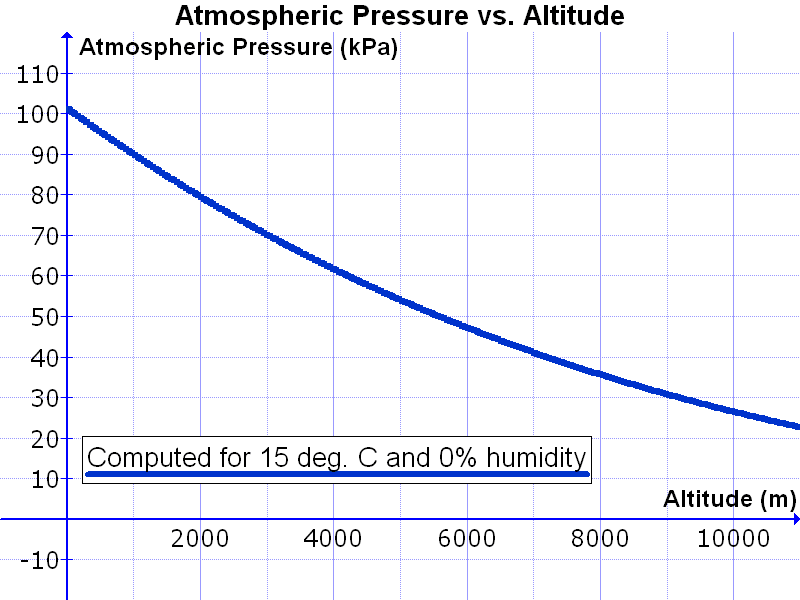
Pressure is not uniform: it changes with location, altitude and time. Where the air column is thicker there are more air molecules pushing down and thus a higher pressure; where the column is thinner the pressure is lower. A primary reason for the change with elevation is that points at greater altitude have less air above them, so the weight of the overlying air and the resulting pressure decrease approximately exponentially with height.
Measurement and units
Atmospheric pressure is measured by instruments such as mercury and aneroid barometers, and by sensors used in weather stations and aircraft. The International System of Units (SI) uses the pascal (Pa) as the base unit of pressure; meteorology commonly reports values in hectopascals (hPa), which equal 100 Pa. Other scales and units used in particular contexts include the standard atmosphere (atm), the bar, millimeters of mercury (mmHg) and torr. A frequently cited reference is mean sea-level pressure, roughly 1013.25 hPa (about 101325 Pa), which is a convenient baseline for many comparisons.
Practical importance and examples
Changes in atmospheric pressure are central to weather: rising pressure often accompanies clearing skies while falling pressure commonly precedes storms. Pilots and mountaineers use pressure to compute altitude with altimeters and to anticipate physiological effects of thin air at high elevations. Engineers and designers consider external air pressure when constructing pressurized cabins, vacuum systems and instruments exposed to the environment.
Instruments, effects and notable facts
- Common instruments: mercury barometer, aneroid barometer and electronic pressure sensors (barometers).
- Pressure acts equally in all directions at a point in a fluid (a manifestation of Pascal's principle), which is why atmospheric pressure pushes on both top and sides of objects.
- Historical note: early quantitative studies of atmospheric pressure date from the 17th century; devices that measured the weight of air led to advances in meteorology and pneumatic science.
Distinctions and further reading
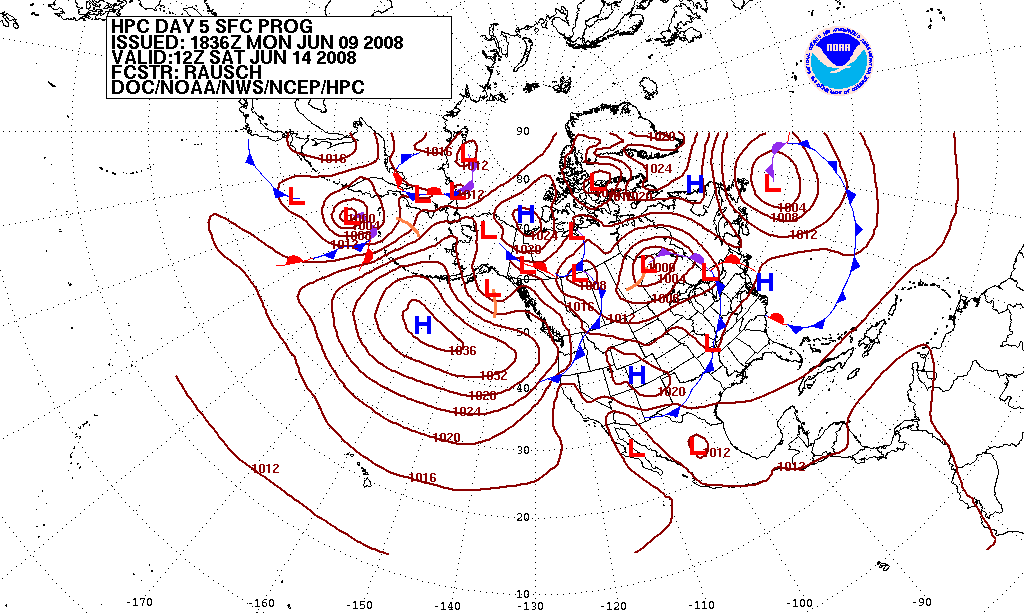
Atmospheric pressure should be distinguished from dynamic pressure (associated with motion of the air) and gauge pressure (pressure relative to local ambient). For basic definitions and classroom introductions see general meteorology or physics texts; for instrument specifications and conversion between units consult technical references and standards (SI unit discussions). Related topics include wind formation, weather systems, and how pressure fields are depicted on synoptic charts. For further online or library resources see introductory pages and technical guides (definitions, atmosphere, air layer, pressure variation, altitude effects, measuring devices, units and standards, alternative units).
Related articles
Author
AlegsaOnline.com Atmospheric pressure Leandro Alegsa
URL: https://en.alegsaonline.com/art/7036
Sources
- britannica.com : "atmospheric pressure -- Britannica Online Encyclopedia"