
Stencil (masking and printing technique)
A stencil is a thin sheet or template with cut-out shapes used to apply paint or ink through openings to create repeated images. Common in art, industry, signage, and printing.
Overview
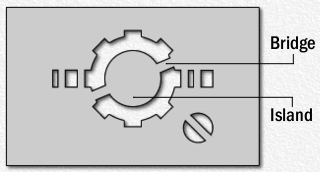
A stencil is a template or mask with deliberately cut openings that allow paint, ink, or another medium to pass through and mark the surface beneath. By blocking some areas and exposing others, stencils produce clear, repeatable shapes or lettering. They are valued for speed, consistency and ease of reproduction when multiple identical impressions are required.
Image gallery
10 Images




Materials and characteristics
Traditional stencils can be made from paper, cardboard, thin metal, plastic sheets (such as mylar) or adhesive-backed films. Key characteristics include the rigidity needed to hold shape, the durability to withstand repeated use, and the fineness of the cut openings, which determines the level of detail that can be reproduced. Some stencils are single-layer templates for simple graphics; others are layered or multi-part to allow full-color or complex images.
Methods and related processes
Stencils are used with spray paints, brushes, rollers and inks. A closely related industrial method is screen printing, where a fine mesh holds ink except where blocked by a stencil on the screen; see also screen printing. Digital cutting tools and laser cutters have expanded precision and speed for making stencils from synthetic sheets.
History and development
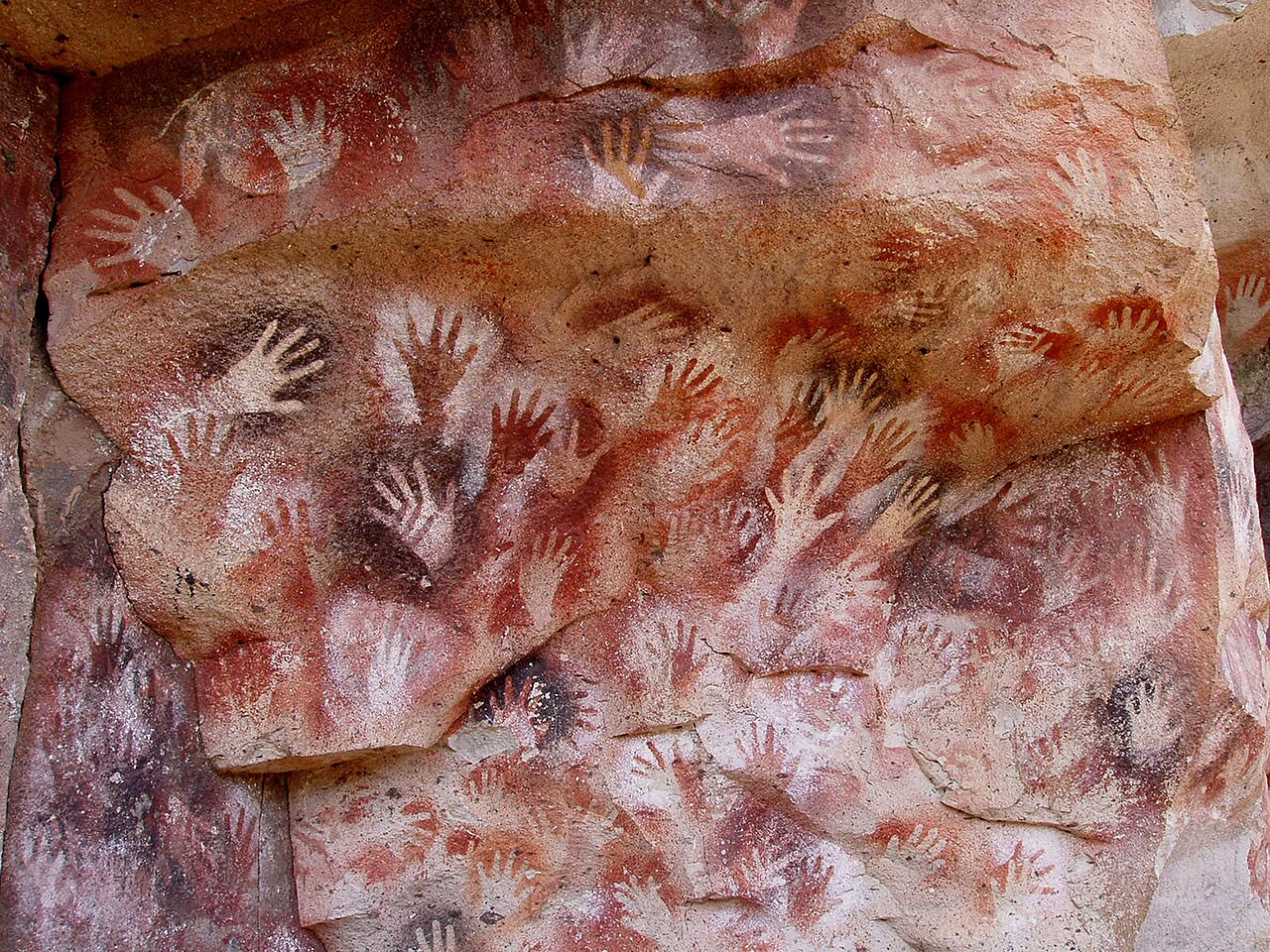
Using masks to transfer images is an ancient practice: prehistoric cave handprints and masked pigments show early stencil-like methods. Over centuries stenciling evolved for decorative arts, signage and textile patterns. In modern times mechanical cutting, photographic techniques and computer-assisted design broadened the technique's applications.
Uses and examples
- Street art and graffiti, where stencils allow quick, repeatable images or statements; see links on contemporary practice via street art.
- Industrial marking: serial numbers, safety signs and packaging labels.
- Textile printing, home crafts, furniture decoration and theatrical set design.
- Signage and wayfinding: clear letters and icons that need to be reproduced precisely.
Notable distinctions
Stenciling differs from freehand painting in its reproducibility, and from stamp printing in that a stencil covers larger or more complex areas without a preformed raised pattern. Compared with screen printing, simple stencils are quicker and cheaper for short runs, while screen printing suits high-volume or multi-color production. Stencils remain a practical, low-technology method alongside digital printing and continue to be important for artistic, commercial and industrial uses.
Questions and answers
Q: What is a stencil?
A: A stencil is a blocking material used to mask a surface.
Q: What is the purpose of a stencil?
A: The purpose of a stencil is to create an image on a material behind it by letting ink or paint pass through the holes in the stencil.
Q: When is a stencil used?
A: A stencil is used when many copies are needed of the same image.
Q: In what fields is stenciling commonly used?
A: Stenciling is commonly used in street art and public notices.
Q: What is screen printing?
A: Screen printing is a printing technique that uses a fine mesh to apply ink to a material, except in areas blocked by a stencil.
Q: How is screen printing related to stencils?
A: Screen printing is related to stencils because the ink is applied only where there is no stencil blocking it.
Q: What materials can stencils be used on?
A: Stencils can be used on a variety of materials, including paper, fabric, and wood.
Related articles
Author
AlegsaOnline.com Stencil (masking and printing technique) Leandro Alegsa
URL: https://en.alegsaonline.com/art/93720