
Alfred the Great: King of Wessex, reformer and defender of Anglo-Saxon England
Alfred the Great (c.849–899), king of Wessex (871–899), defeated Viking forces, promoted learning, reformed law and defense, and is widely seen as a foundational figure in the formation of an English kingdom.
Alfred the Great (c. 849 – 26 October 899) was king of Wessex from 871 until his death. During a reign dominated by conflict with Viking invaders he secured a lasting peace in southern England, promoted Christian learning and law, and established administrative and military measures that helped preserve Anglo-Saxon society. He styled himself in ways that later chroniclers and some modern historians interpret as an early claim to be King of the Anglo-Saxons, and later traditions credit him with beginnings of an English polity.
Image gallery
10 Images



Background and reign
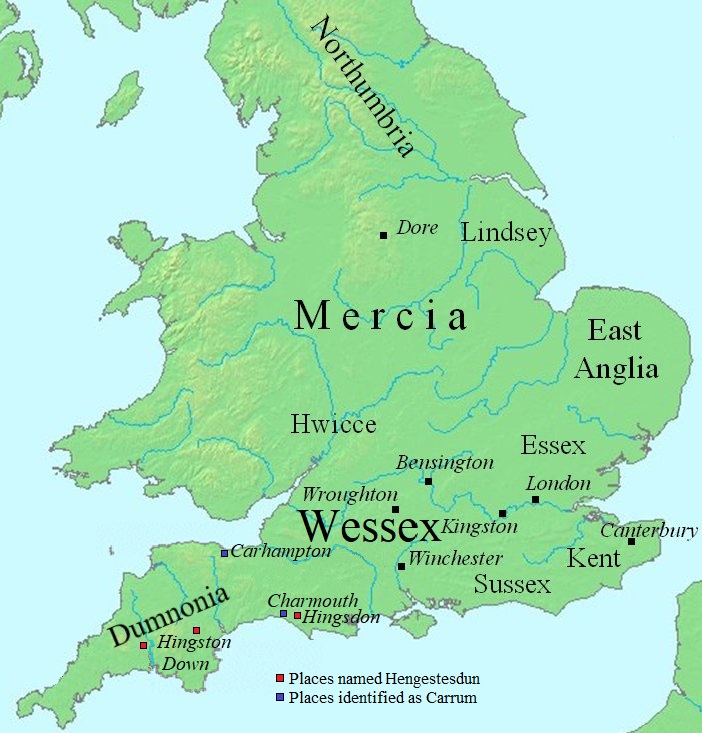
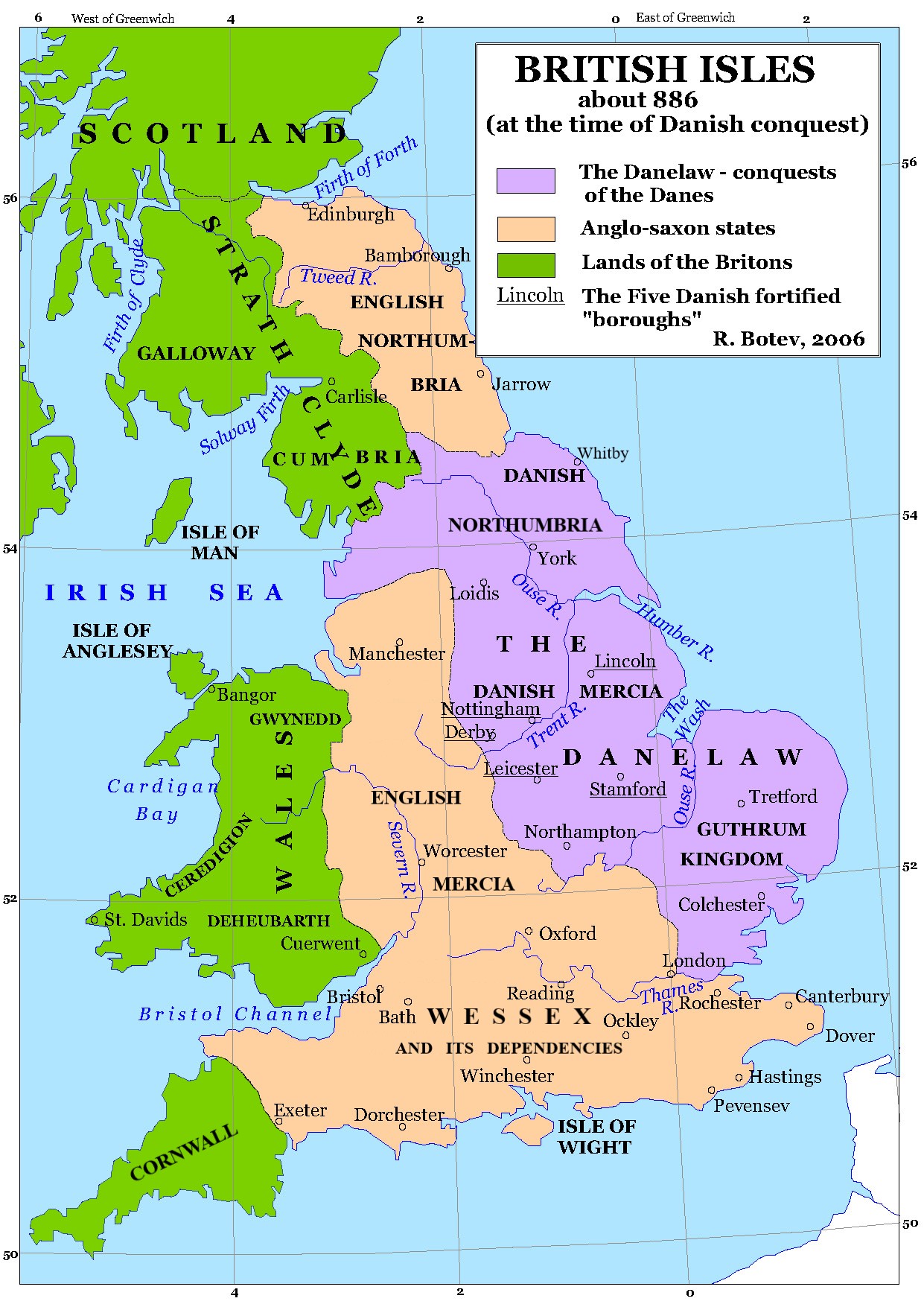
Alfred was the youngest son of King Æthelwulf of Wessex and came to power in a period of intense warfare. Viking armies, often referred to as the Great Heathen Army in contemporary sources, had conquered large parts of eastern and northern England. Alfred fought several campaigns against these forces; his most famous military success came in 878 when he defeated the Viking leader Guthrum, leading to a negotiated settlement and the conversion of Guthrum to Christianity. That victory secured Wessex and allowed Alfred to rebuild and reorganize defenses.
Reforms, law and learning
Alfred promoted legal reform, publishing a code that drew on earlier Anglo-Saxon laws and Christian principles. He championed education, inviting scholars and commissioning translations of key Latin works into Old English to make learning accessible. His court became a center for a revival of literacy and religious study that preserved texts and administrative knowledge during a turbulent era.
Defense and administration
To strengthen military readiness Alfred instituted territorial defenses and a system of fortified towns (burhs), reorganized the army so that men could be mustered for shorter, rotating service, and commissioned new ships. Medieval and later historians sometimes credit him with founding an English naval force; while the evidence shows he ordered the construction of ships and coastal defenses, the notion of a continuous national navy developed over many later centuries. Alfred also reformed coinage and administration to stabilize his realm.
Achievements and legacy
- Military: victory over Guthrum and establishment of a lasting border between Viking-ruled and Anglo-Saxon territories.
- Administrative: creation of burhs and reorganized militia service.
- Cultural: promotion of learning, translations, and legal consolidation.
- Reputation: remembered as a unifying figure and often described as an early English king.
Alfred's impact persisted in the institutions, laws and cultural life of Anglo-Saxon England, influencing his successors who continued the work of unifying the realm. His life and reign are central to English national memory, though later medieval legend enlarged some details. Modern scholarship examines his achievements in the context of contemporaneous political, military and ecclesiastical change.
For further reading on his kingdom and military reforms see discussions of the Kingdom of Wessex and studies referring to Alfred's role among the Anglo-Saxon rulers; some sources also discuss his shipbuilding and coastal defenses in relation to early English naval history (see discussion).
Questions and answers
Q: Who was Alfred the Great?
A: Alfred the Great was the king of Wessex from 871 to 899.
Q: What was Alfred the Great's title?
A: Alfred the Great was the first monarch from the British Isles to style himself as 'King of the Anglo-Saxons'.
Q: What is Alfred the Great sometimes considered as?
A: Alfred the Great is sometimes considered the first English king.
Q: When did Alfred the Great live?
A: Alfred the Great lived in the 9th century.
Q: What did Alfred the Great start?
A: Alfred the Great started the Royal Navy.
Q: In which century did Alfred the Great start the Royal Navy?
A: Alfred the Great started the Royal Navy in the 9th century.
Q: When did Alfred the Great pass away?
A: Alfred the Great passed away on 26 October 899.
Related articles
Author
AlegsaOnline.com Alfred the Great: King of Wessex, reformer and defender of Anglo-Saxon England Leandro Alegsa
URL: https://en.alegsaonline.com/art/113789