
Sticker (adhesive label)
A sticker is a printed piece of paper, vinyl or plastic with pressure-sensitive adhesive on one side, used for decoration, information, identification, branding, and collecting.
A sticker is a small item made from paper, film or fabric that carries a printed image, pattern or text on one side and an adhesive layer on the other. In general usage a sticker functions as a kind of label, but the term also covers decorative decals, promotional seals and collectible pieces. Stickers vary widely in durability, finish and removability.
Image gallery
8 Images
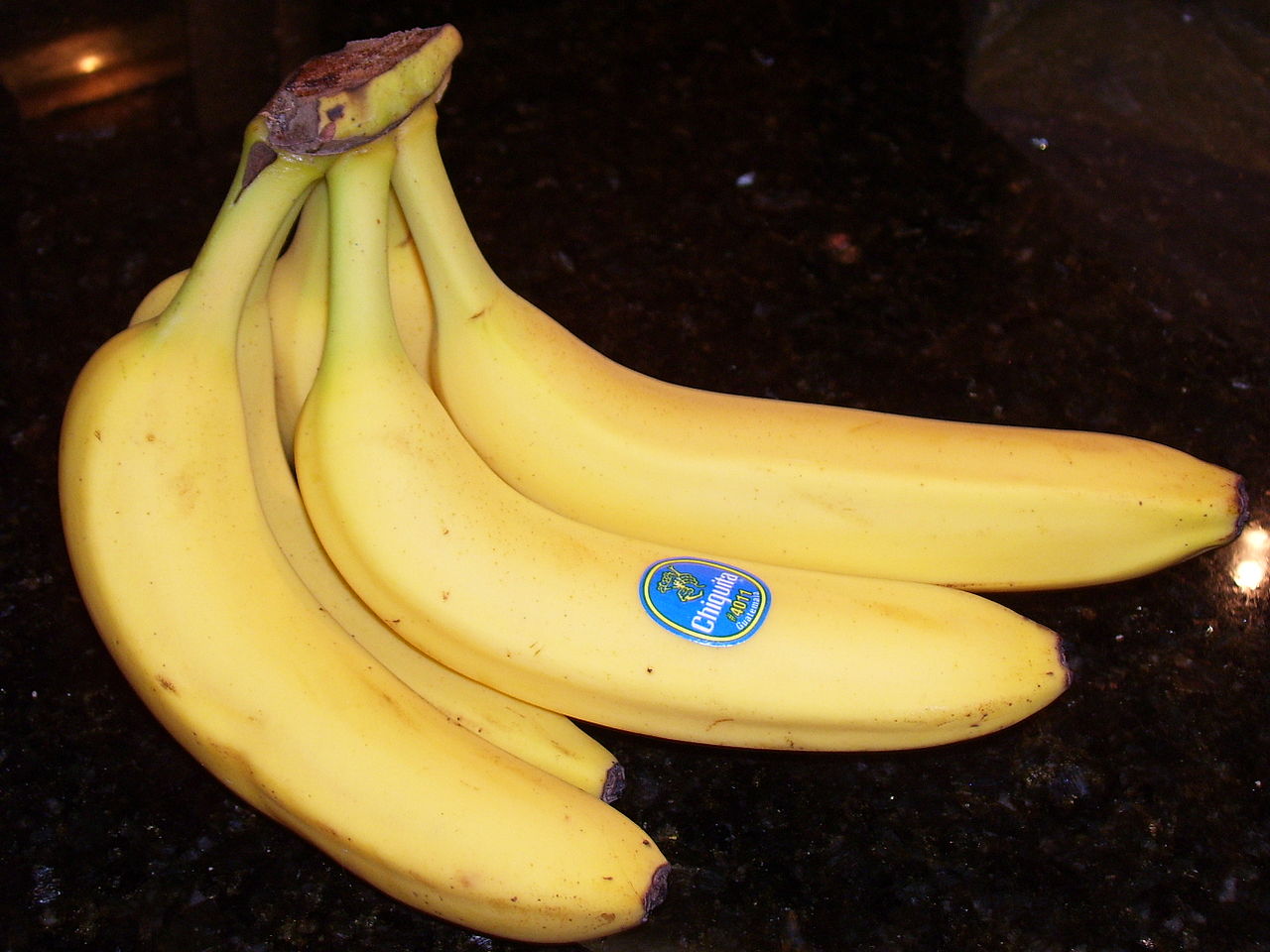


Materials and construction
Common sticker substrates include coated paper, polyvinyl chloride (vinyl), polyester and other plastics like polypropylene. Manufacturers may add a laminate or varnish to increase abrasion or weather resistance. The sticky layer is typically a pressure-sensitive glue, varying from permanent to repositionable; this adhesive can be applied as a continuous coat or in discrete patterns. Some stickers use foam or fabric backings for texture or insulation.
Shapes, sizes and finishes
Stickers are cut into standard shapes—rectangles, circles and ovals—or die-cut into intricate silhouettes. Surface finishes include matte, gloss, metallic and clear film. Special types may be holographic, reflective, heat-resistant or water-resistant for outdoor use. Vinyl stickers are prized for durability while paper stickers remain economical for short-term labeling.
History and development
Adhesive labels and stamps have existed for centuries in rudimentary forms, but modern stickers emerged with advances in pressure-sensitive adhesives and printing technologies in the 20th century. Digital printing and mass-produced vinyl and laminates expanded creative and industrial uses, enabling everything from bumper stickers to durable industrial decals.
Uses, examples and collecting
Stickers serve many roles: identification and information (asset tags, barcodes), branding and packaging, safety and regulatory labels, decorative art and personal expression, or temporary signage. Common examples include product labels, logo decals, bumper stickers and children's sticker sheets. Many people collect stickers from brands, bands, transit systems or designers; sticker trading and swapping are popular in subcultures.
Types, considerations and notable facts
- Types: paper, vinyl, polyester, clear/transparent, foil, removable/repositionable.
- Considerations: permanence, outdoor resistance, residue when removed, and recyclability or environmental impact.
- Legal/ethical: some stickers (e.g., advertising or political) may be regulated in public spaces.
- Manufacturing: small runs are feasible with digital presses; large volumes use flexographic or rotary printing on plastic substrates.
Because stickers bridge practical labeling and visual culture, they remain a ubiquitous and adaptable medium across commerce, art and everyday life.
Questions and answers
Q: What is a sticker?
A: A sticker is a piece of printed paper, plastic, vinyl, or other material with adhesive on one side.
Q: What are stickers typically used for?
A: Stickers can be used for decoration or for functional purposes, depending on the situation.
Q: Are stickers collected and traded among collectors?
A: Yes, stickers are collected and traded among other collectors.
Q: How can stickers be attached to surfaces?
A: Stickers can be attached to surfaces because they have adhesive on one side.
Q: Can stickers be made from different materials?
A: Yes, stickers can be made from various materials, including paper, plastic, vinyl, and more.
Q: Are stickers becoming more or less popular?
A: It's hard to say for sure, but stickers have maintained a level of popularity for a long time and continue to be widely used.
Q: Are there any functional uses for stickers?
A: Yes, stickers can be used for functional purposes, such as labeling items or identifying products.
Related articles
Author
AlegsaOnline.com Sticker (adhesive label) Leandro Alegsa
URL: https://en.alegsaonline.com/art/93911
Sources
- sidebar.asthmatickitty.com : "Interview With Cindy Hinant"