
Storyboard: Planning visual stories for film, animation and media
A storyboard is a sequence of drawings or frames used to plan shots, action and timing in films, animation, television and other media. It helps visualize structure, camera moves, continuity and pacing before production.
Overview
A storyboard is a sequence of sketches or panels that represents the planned sequence of images, actions and edits for a visual production. It is used to communicate how a story will unfold on screen, showing composition, camera movement, character positions and key beats. Storyboards are central to animation, live-action movies and television, and they are also used in commercials, interactive media and stage productions.
Image gallery
3 Images

Typical parts and formats
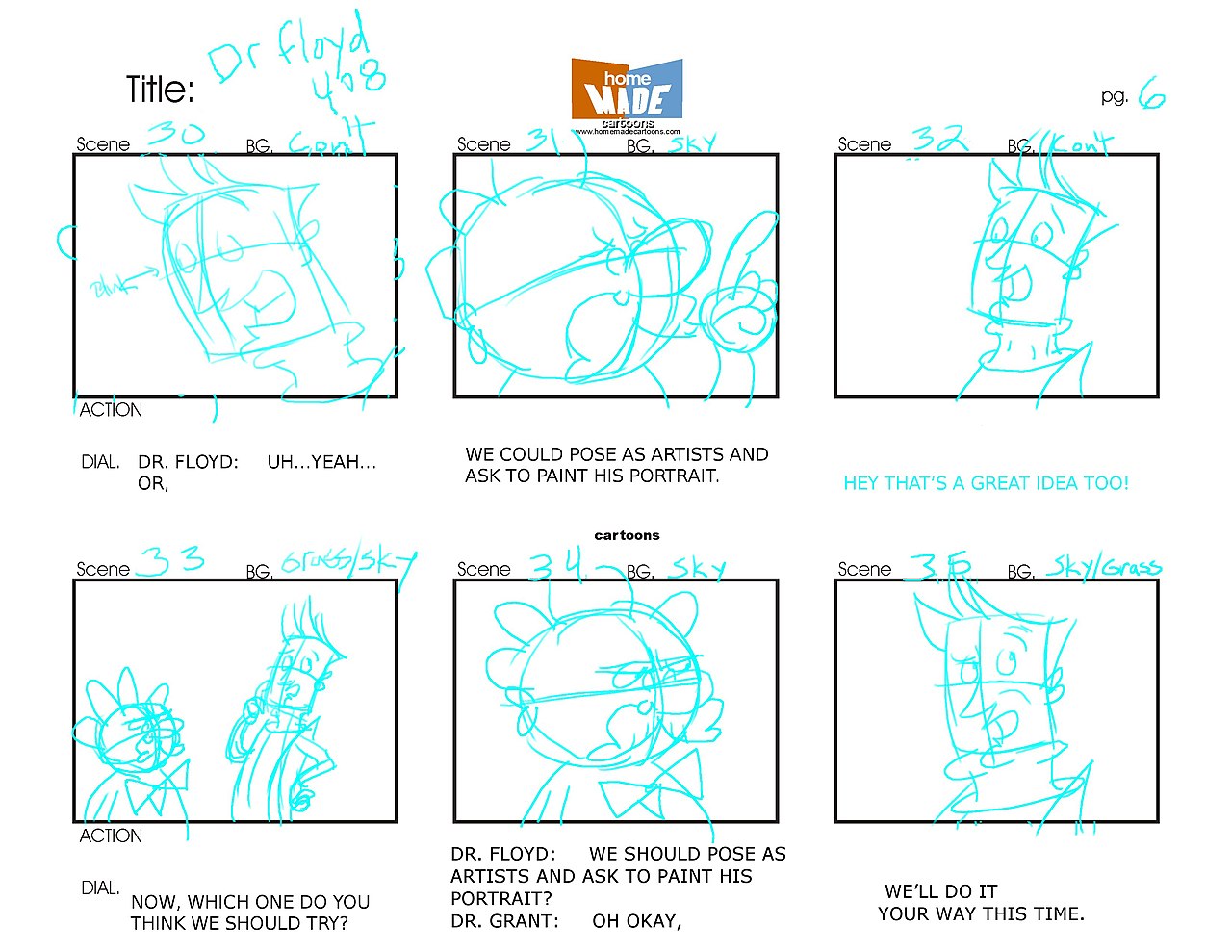
Most storyboards consist of a series of rectangular panels, each representing a single shot or important moment. Panels are often accompanied by captions or notes indicating dialogue, sound effects, timing, camera directions and continuity. Common formats include thumbnail storyboards (small, quick sketches), full-size boards with color, and animatics or story reels—edited sequences that add timing and temporary sound to the images.
Purpose and uses
Storyboards save time and money by exposing narrative or technical problems early. They guide directors, cinematographers, animators and editors on blocking, shot selection and pacing. Beyond film and TV, storyboards aid in user-experience design, advertising pitches, and instructional material. A storyboard can also function as a visual script during previsualization or when creating a rough animatic before full production.
History and development
The modern storyboarding process was refined by studio artists in the early 20th century and is widely associated with techniques developed at Walt Disney Studios. Early animated shorts and studio productions pushed the idea of planning sequences visually; some landmark productions such as Gone with the Wind were among the first feature films to be planned extensively in storyboard form. Individual artists and filmmaking teams adapted the method for different workflows over time.
How storyboarding is done
- Concept: sketch the main story beats and sequence.
- Thumbnailing: make small rapid sketches to find pacing and transitions.
- Refinement: add framing, arrows for camera movement and written notes.
- Animatic: compile panels into a timed sequence with temporary audio for review.
Distinctions and notable facts
Storyboards differ from a shot list (which is a textual list of shots) and from a script (which describes action and dialogue without visual frames). They are closer to a visual script and can contain many alternative takes or variations to explore staging. Artists and directors often share example boards so that every crew member understands the intended result—illustrative examples and artist notes (artist annotations) are common in professional workflows, and digital tools now complement traditional paper boards.
For further reading on methods and templates, practitioners consult industry guides and studio documents that illustrate panel layout, aspect ratios and how to adapt boards to different production stages. Storyboards remain a flexible tool: simple enough for rapid ideation, yet detailed enough to guide complex productions.
Related resources and tutorials can introduce beginners to basic techniques and show how storyboards fit into preproduction, budgeting and editorial planning for both animation and live-action projects. See visual planning resources for step-by-step examples and templates.
Animation resources | Film planning | Storyboard examples | Artist notes | Studio history | Classic productions
Related articles
Author
AlegsaOnline.com Storyboard: Planning visual stories for film, animation and media Leandro Alegsa
URL: https://en.alegsaonline.com/art/94123
Sources
- elearnmag.acm.org : "The Art of Storyboarding"
- instructionaldesign.org : "Storyboarding"