
Steampunk: aesthetic, history, and cultural movement
Steampunk is an aesthetic and subculture imagining anachronistic, often steam-powered technology within 19th‑century settings; it spans literature, fashion, maker art, games, and design.
Steampunk is a creative aesthetic and subcultural movement that reimagines modern technology through a 19th‑century lens. Presented across novels, visual art, film, fashion and hands‑on craft, steampunk blends Victorian-era materials and design with speculative machines—steam engines, clockwork mechanisms and early electrical devices—to produce a deliberately anachronistic world. The term describes both a fictional mode and a living scene where historical styles meet speculative engineering and DIY creativity. Many overviews treat steampunk as a response to industrial modernity: it uses the past to explore what machines, craft and social life might look like under different technological trajectories.
Image gallery
10 Images
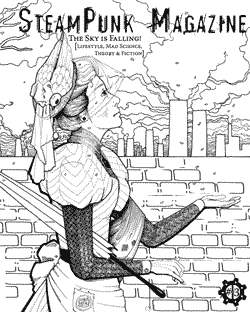


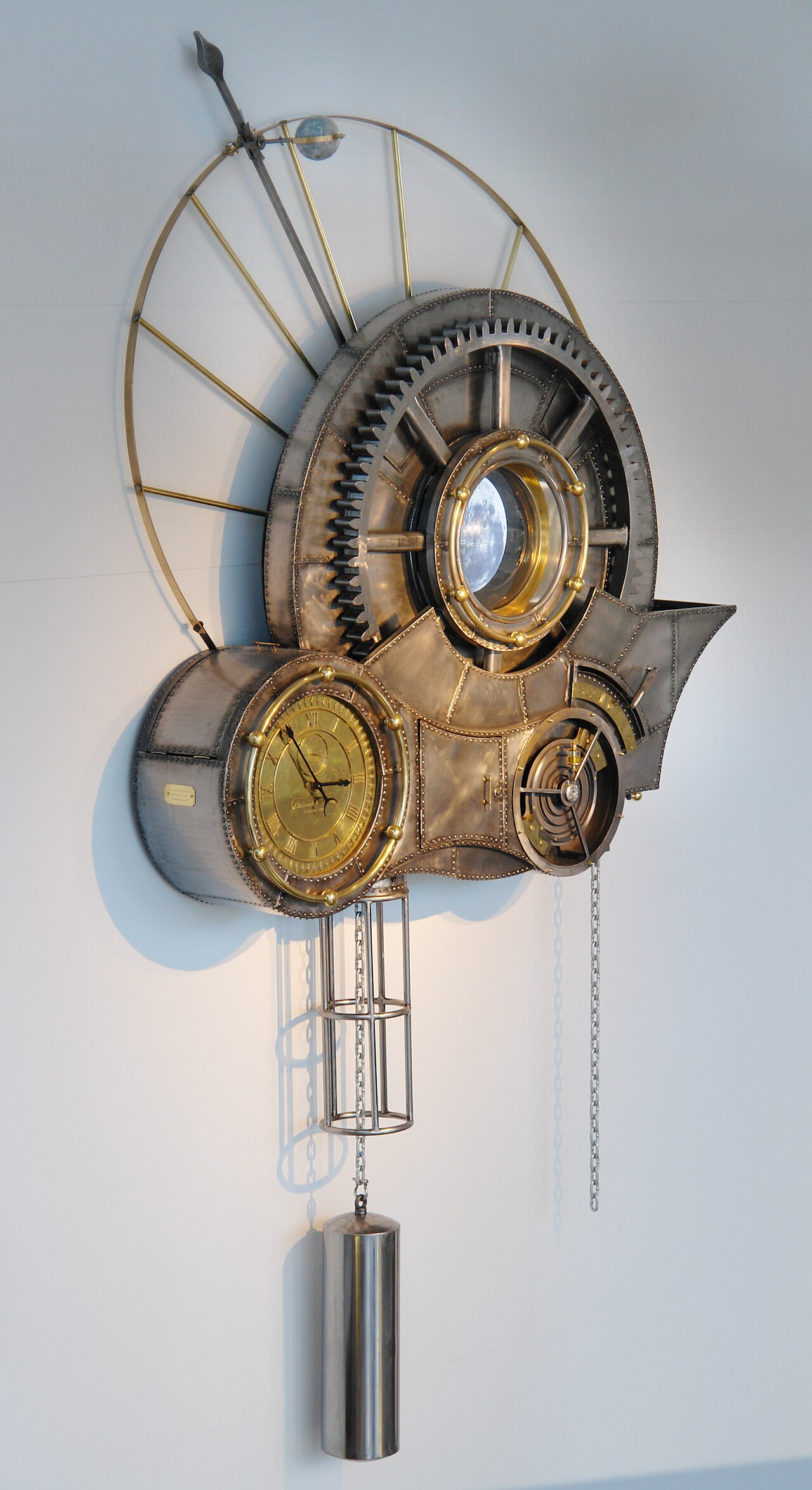


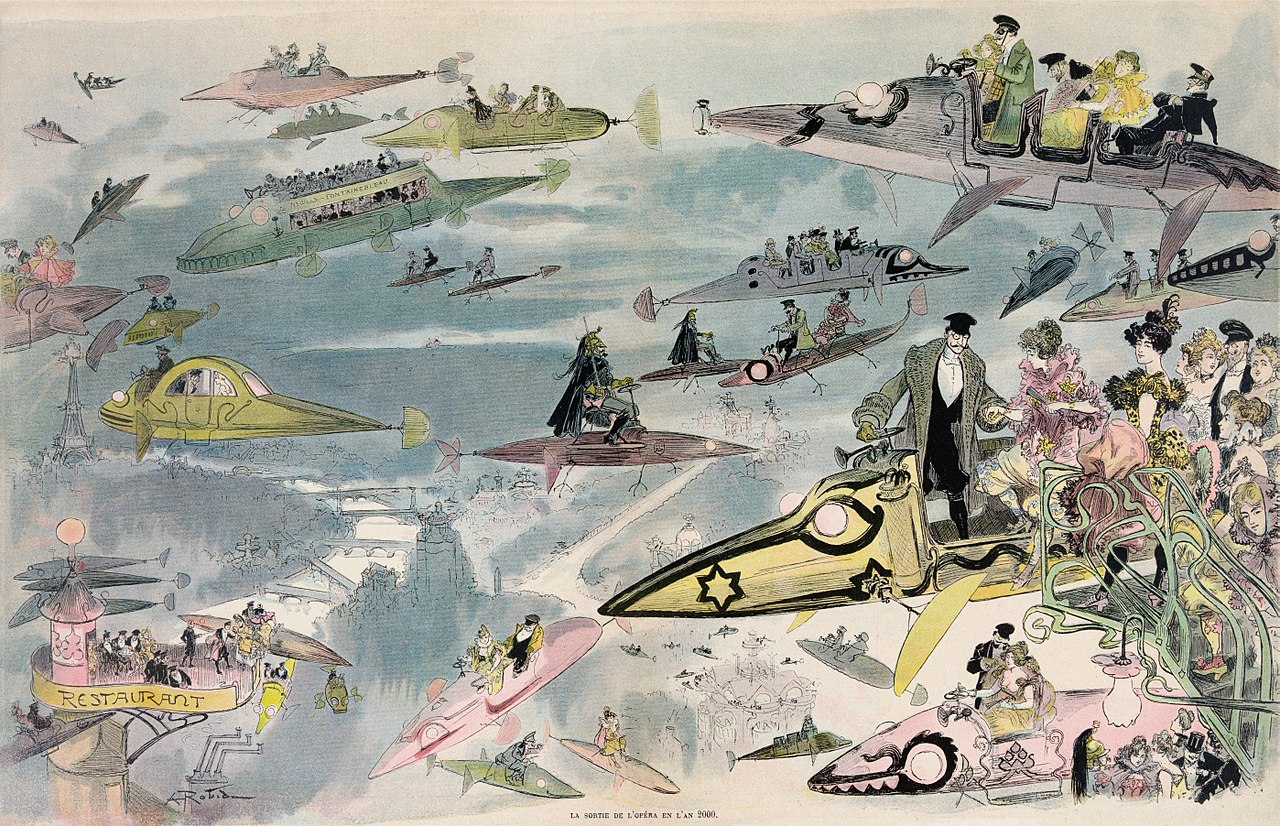

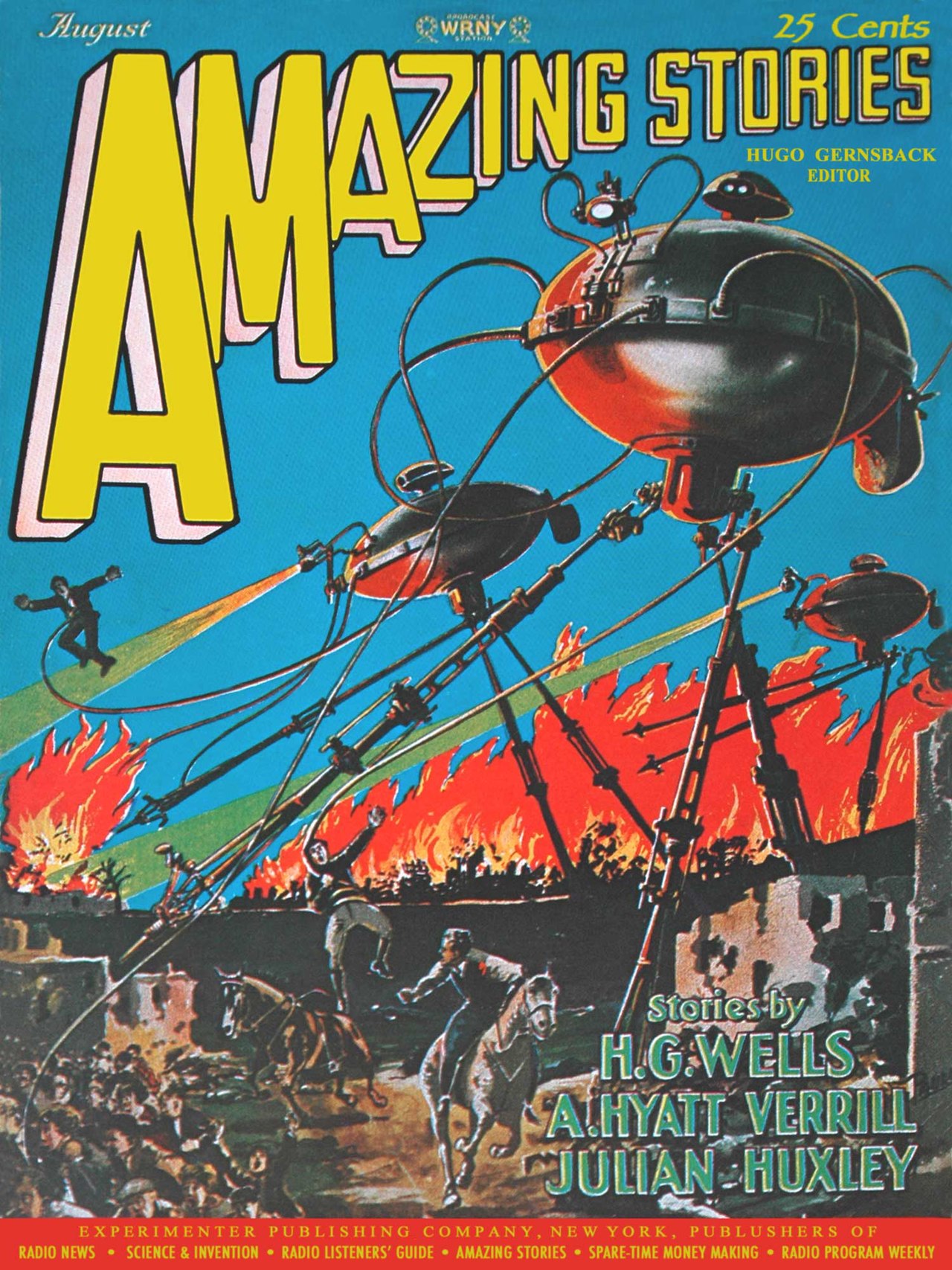
Characteristics and recurring motifs
Steampunk commonly features brass, leather, rivets, exposed gears, and ornamental gauges. Narrative and visual motifs include airships, steam locomotives, mechanical prostheses, analog computers, and clockwork automatons. These elements often appear alongside fashions such as waistcoats, frock coats, corsets and top hats, and accessories like goggles and pocket watches. Writers and creators emphasize visible mechanics and handwork—objects that reveal how they function rather than hiding inner workings. Steampunk stories may foreground adventure, scientific curiosity, alternate history, or social critique.
Origins and literary influences
The movement draws heavily on 19th‑century speculative fiction and early science fiction. Pioneering influences include the so‑called scientific romances and adventure tales of authors such as Jules Verne and H.G. Wells, who imagined extraordinary machines within contemporary or near‑future settings. The Victorian era itself—its design, technologies and social strivings—is a frequent backdrop: references to the Victorian world, steam power (steam), clockwork devices (clockwork) and the early use of electricity (electricity) recur in steampunk works. Modern steampunk also borrows tone and motifs from related genres, occasionally intersecting with Gothic sensibilities and darker themes such as vampires.
Community, fashion and the Maker connection
Beyond fiction, steampunk has become an active community built around craft, costume and events. Participants sew period‑inspired outfits, assemble bespoke accessories like goggles and hats, and attend gatherings, conventions and themed markets. Many makers produce decorative or functional contraptions—small kinetic sculptures, modified bicycles, and full‑size vehicles—often by repurposing reclaimed materials. The overlap with the Maker movement encourages hands‑on metalworking, leathercraft and electronics; steampunk makers frequently publish tutorials and display projects at fairs and workshops. Costuming and performative aspects are central to public events and parades (costume culture).
Variations, examples and cultural impact
Steampunk has spawned multiple offshoots and reinterpretations. Variants include «gaslamp» fantasy with supernatural elements, «dieselpunk» which shifts the aesthetic to interwar technology, and neo‑Victorian works that interrogate imperial and social histories. It appears in movies, tabletop and video games, fashion collections and industrial design, where its retro‑futurist look influences everything from home décor to transport restorations. Notable features are its playful anachronism, emphasis on visible craft, and the way it invites people to rework technology as art. While many embrace its whimsy, others use the style to critique industrial-era inequities or to imagine more humane technological futures.
Further reading and resources
For introductions to steampunk literature, fashion patterns and maker projects consult curated bibliographies, craft blogs and dedicated conventions. Academic and fan publications explore its aesthetics, historical borrowings and political readings. Visiting maker spaces and costume communities can offer a practical entry point into the movement. See curated collections and event listings for ongoing projects and community initiatives: steam resources, Victorian studies, mechanical design, early electricity, science fiction, classic authors, Gothic links, vampire themes, costume guides, hat styles, goggle designs.
Questions and answers
Q: What is steampunk?
A: Steampunk is a style of fiction that takes place in a semi-fictional world where old machinery from the Victorian 19th century is still being used. Technologies such as steam power, clockwork or electricity are important themes in steampunk.
Q: Who are some influential authors for steampunk?
A: Authors like Jules Verne and H.G. Wells have had a big influence on the development of steampunk.
Q: What other genres does steampunk often cross over with?
A: Steampunk often crosses over with Goth and vampire themes in modern novels.
Q: What activities do people who identify as “steampunks” participate in?
A: People who identify as “steampunks” often dress up in costume and attend meetings or conventions, spending time sewing their own outfits or collecting accessories such as hats and goggles. They also take part in the Maker movement, creating contraptions that serve either an artistic purpose or pretend to have a function.
Q: What types of objects do Makers create?
A: Makers create small items such as clothing and accessories, large objects like locomotives (trains) or machines that haven't been invented yet, like airplanes.
Q: How does culture from the 19th and early 20th centuries factor into steampunk?
A: Culture from the 19th and early 20th centuries influences many aspects of steampunk, including both small items like clothing and accessories, as well as larger objects such as locomotives (trains).
Related articles
Author
AlegsaOnline.com Steampunk: aesthetic, history, and cultural movement Leandro Alegsa
URL: https://en.alegsaonline.com/art/93619
Sources
- neverwashaul.com : "Neverwas Haul"
- steampunkworkshop.com : "Steampunk Workshop"
- steampunkworkshop.com : "Victorian RV - Bedroom Redecorated"