
Still life (art): definition, history, characteristics and examples
Still life arranges inanimate objects—flowers, fruit, vessels—for study of composition, light and meaning. Covers origins, major developments, techniques, common motifs and distinctions.
Overview
A still life is a work of visual art that depicts a carefully arranged selection of inanimate objects. Traditionally executed as a painting, a still life can also appear in drawing, printmaking, photography and sculpture. Subjects are commonly everyday items—such as flowers, fruit, or drinking glasses—but may include manufactured goods, natural specimens or pieces of food. Because the objects do not move or pose, artists can concentrate on composition, surface texture, light and color without the complexities of live models or shifting outdoor conditions.

Image gallery
10 Images




Characteristics and common motifs
Still lifes are defined less by subject than by intent: arrangement, observation and emphasis on material qualities. Typical concerns include:
- Composition: the spatial relationship and balance between objects.
- Light and shadow: how illumination reveals texture and form.
- Surface detail: reflection, translucence and fabric or skin textures.
- Symbolism: objects often carry cultural or moral meanings (see vanitas below).
History and development
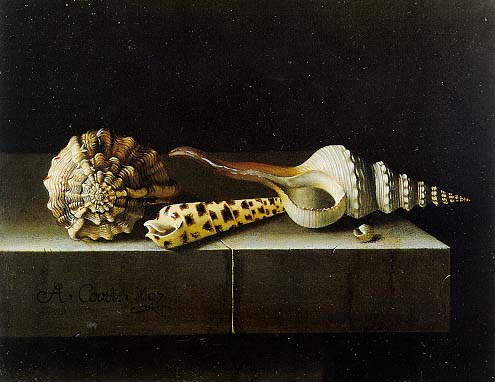
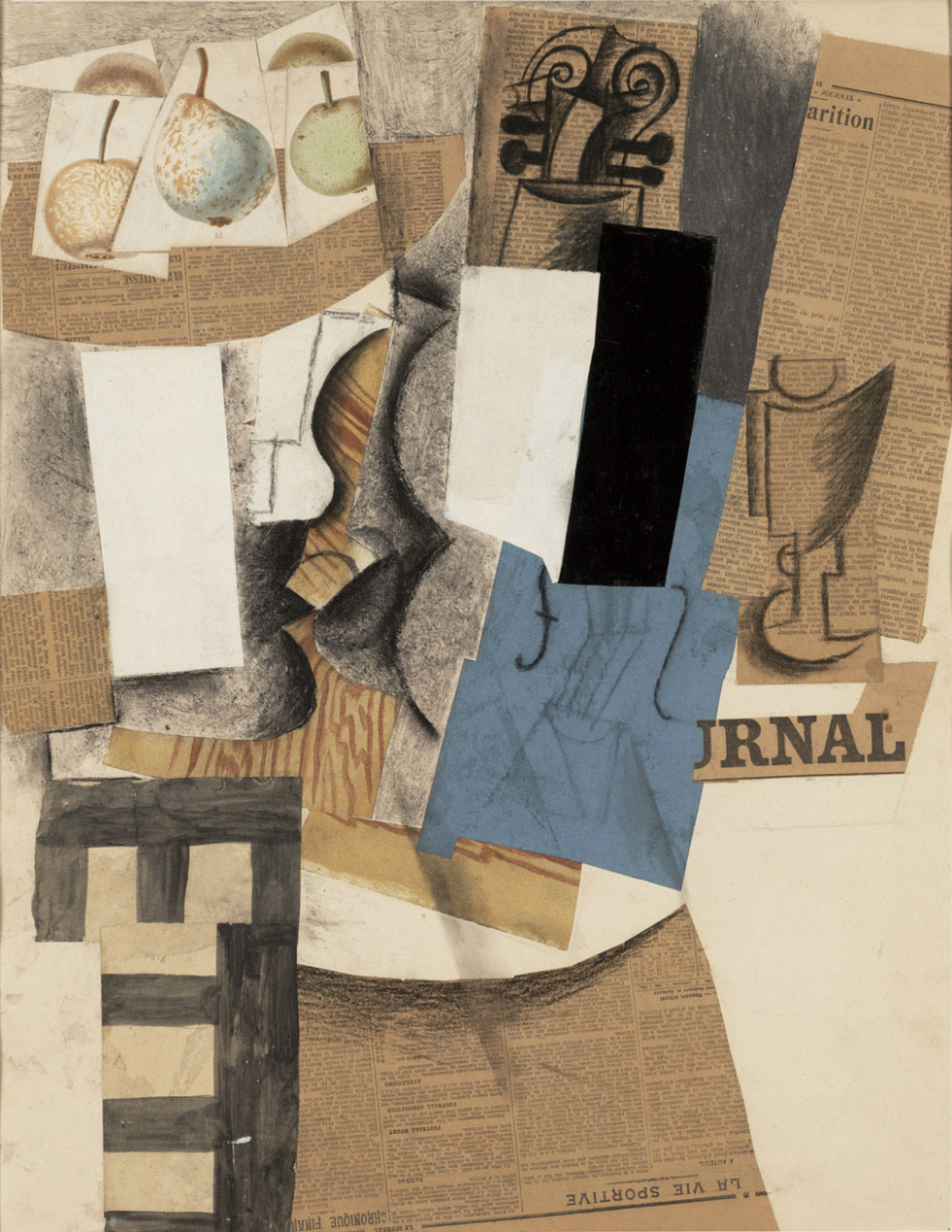
Depictions of arranged objects date back to antiquity; examples of everyday objects painted on walls and vessels survive from classical cultures. For instance, a painted bowl of fruit and vessels appears in Roman domestic decoration and is associated with sites such as Roman houses in Pompeii documented by archaeologists. During the early modern period the still life matured as an independent genre. In the 17th century the Netherlands saw a particularly rich flowering: painters including Adriaen Coorte and others elevated small-scale, meticulously observed table scenes into works prized for subtle composition and technique. Later, artists from Impressionists to modernists reinterpreted still life subjects to explore color, form and abstraction; Édouard Manet’s flower paintings exemplify the 19th-century interest in immediacy and surface (see example below).
Techniques, uses and meanings
Still life practice teaches observation, control of paint and arrangement. It is used in art education to develop drafting, perspective and color-mixing skills. Beyond technique, still lifes can convey messages: a half-eaten meal may suggest transience; books and instruments can indicate learning; wilting flowers often point to the passage of time in the tradition called vanitas. Photographers and contemporary artists have adapted these symbolic strategies, using objects to address identity, consumer culture and memory.
Examples, distinctions and notable facts
Familiar subtypes include floral still life, breakfast or banquet scenes (also called "breakfast pieces"), and trompe-l'œil works that aim to deceive the eye. Unlike portraiture, which centers on a person, still life privileges non-human subjects and the relationships among them. Unlike landscape, which emphasizes place and atmosphere, still life focuses on intimate scale and materiality. Famous historical examples range from classical Roman wall paintings to Dutch Golden Age compositions and modern works by artists such as Édouard Manet—his painting of carnations and clematis in a crystal vase illustrates the shift toward painterly brushwork and direct observation while remaining rooted in the tradition of object-focused study.

For further study, look for illustrated collections and museum catalogues that treat the genre across periods, or visit studio sessions where still life arrangements are used to train observational skills. Additional resources discuss technical approaches to lighting, surface treatment and the narrative uses of commonplace objects in art history.
Related topics and resources: antiquity, glassware, floral studies, fruit motifs, and genre-specific studies accessible via general art history links such as painting and regional collections noted for still life work such as the Dutch Golden Age (Coorte) or Roman domestic painting (Roman, Pompeii).
Related articles
Author
AlegsaOnline.com Still life (art): definition, history, characteristics and examples Leandro Alegsa
URL: https://en.alegsaonline.com/art/93933