
Spitz (dog) — Characteristics, History and Notable Breeds
Spitz-type dogs are a group of northern breeds with thick double coats, pointed features and curled tails; they include Arctic working dogs and small companion varieties.
Overview
Spitz refers to a broad grouping of dog types rather than a single breed. These dogs share a set of physical and behavioral traits adapted to cold climates and active work. For a general classification see spitz-type breeds and for context within the species consult dog resources.
Image gallery
8 Images



Distinctive characteristics
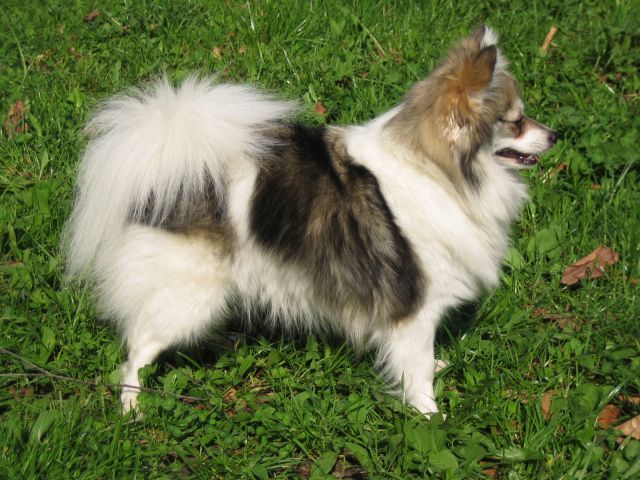
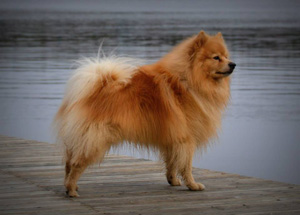
Common features among spitz dogs include a dense double coat that insulates against cold, often described simply as a long thick coat or fur. Many varieties display light or white coloration, though coat colors vary widely; white examples are frequent in Arctic breeds (white). Facial features usually include pointed ears and a tapered muzzle, while the tail commonly curls over the back (tail).
Typical parts and adaptations
- Coat: Thick undercoat with longer guard hairs for water- and wind-resistance.
- Ears and muzzle: Erect, triangular ears and a pointed nose help reduce heat loss.
- Tails: Curled or sickle tails that provide extra warmth when curled over the back.
- Build: Compact to robust bodies suited to pulling, hunting, or endurance tasks.
History and development
Spitz types developed across northern Eurasia and the circumpolar regions where humans and dogs coexisted in cold environments. Their form is the result of natural and working-selection pressures: stamina and cold tolerance were favored for sledging, hunting, and guarding. Over centuries these functional types diversified into distinct regional breeds adapted to particular roles.
Uses and notable breeds
Historically, spitz dogs served as sled dogs, hunting companions, guardians, and later as household companions. Well-known examples include the Siberian Husky and Alaskan Malamute (sled and draft work), the Samoyed (sleighing and herding), the Shiba Inu and Finnish Spitz (hunting and companion roles), the Keeshond (watchdog and companion) and the Pomeranian (small companion type). Their combination of independence, endurance and often high energy shapes how they are kept today.
Care, behavior and distinctions
Spitz dogs often require regular grooming to manage seasonal shedding and need consistent exercise and mental stimulation. Behaviorally they can be alert, vocal and sometimes reserved with strangers, reflecting their history as watchdogs and hunters. When comparing spitz types to other groups, the most reliable markers are coat texture and density, ear and tail carriage, and ancestry linked to northern working lines.
For further reading on classification, behavior and breed standards follow general breed guides and breed club resources: spitz-type breeds, general dog overviews, and breed-specific pages such as those for the Husky, Samoyed or Pomeranian (coat, fur, white, ears, nose, tail).
Related articles
Author
AlegsaOnline.com Spitz (dog) — Characteristics, History and Notable Breeds Leandro Alegsa
URL: https://en.alegsaonline.com/art/92737