
Tail (animal): structure, function, and evolution
A tail is the rear extension of many animals' bodies. This article explains types, anatomy, functions (balance, locomotion, communication), evolutionary origin, and notable examples across mammals, fish, and reptiles.
A tail is the posterior extension of many vertebrate bodies and appears in diverse forms across the animal kingdom. In general usage the word refers to the visible appendage that continues from the backbone. Tails occur in a wide range of animals, including familiar domestic species such as cats and dogs, aquatic animals like whales and fish, and arboreal primates such as some monkeys.
Image gallery
10 Images


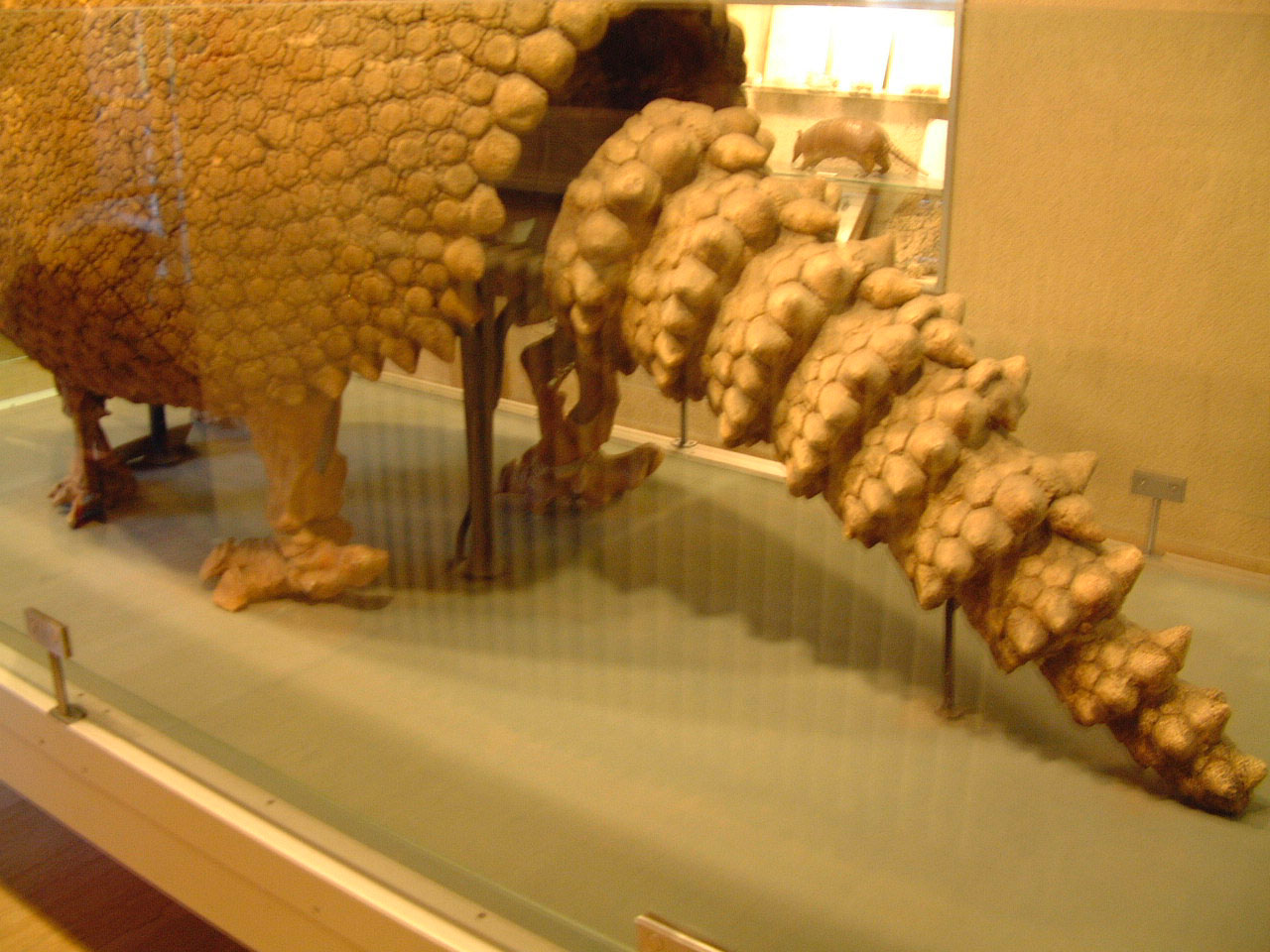
Structure and types
An animal tail usually contains vertebrae, muscles, tendons, nerves and skin. Types range from bony, flexible tails with many vertebrae to flattened fins and specialized flukes in marine species. Some tails are prehensile (capable of grasping), others are fin-like for swimming, and some are short or reduced to a remnant bone such as the human coccyx.
Main functions
Tails serve several often overlapping roles: balance and agile movement (for example, a cheetah uses its tail for steering), propulsion in water (the fluke of a whale or the caudal fin of a fish), communication and social signaling (dogs and cats), and defense (e.g., some species use tails as weapons or distractors). In certain reptiles, tail autotomy allows escape from predators.
Evolution and development
Tails evolved as continuations of the axial skeleton and have been modified repeatedly by natural selection to fit ecological niches. Over evolutionary time some lineages reduced or lost external tails while retaining internal vestiges. Embryonic development in vertebrates typically produces a tail structure that may be retained or regressed depending on species.
Examples and notable facts
- Big-cat and canine tails often signal mood and intent.
- Many aquatic mammals have large, horizontally flattened tails for efficient swimming.
- Prehensile tails in some primates and marsupials aid in climbing and feeding.
- Tail loss and human modification have cultural and medical aspects in some species.
Related articles
Author
AlegsaOnline.com Tail (animal): structure, function, and evolution Leandro Alegsa
URL: https://en.alegsaonline.com/art/95924