
Dog coat
The dog coat is the hair covering a dog's body. This article explains types, structure, functions, seasonal changes, grooming needs, breed differences and how coat condition reflects health.
A dog’s coat refers to the outer covering of hair that covers its skin and provides insulation, protection and sensory input. Writers sometimes use the terms hair and fur interchangeably for canines. Coat appearance varies widely by breed and individual: length, texture, density, color and pattern are genetically determined but may change with age, nutrition or medical conditions.
Image gallery
10 Images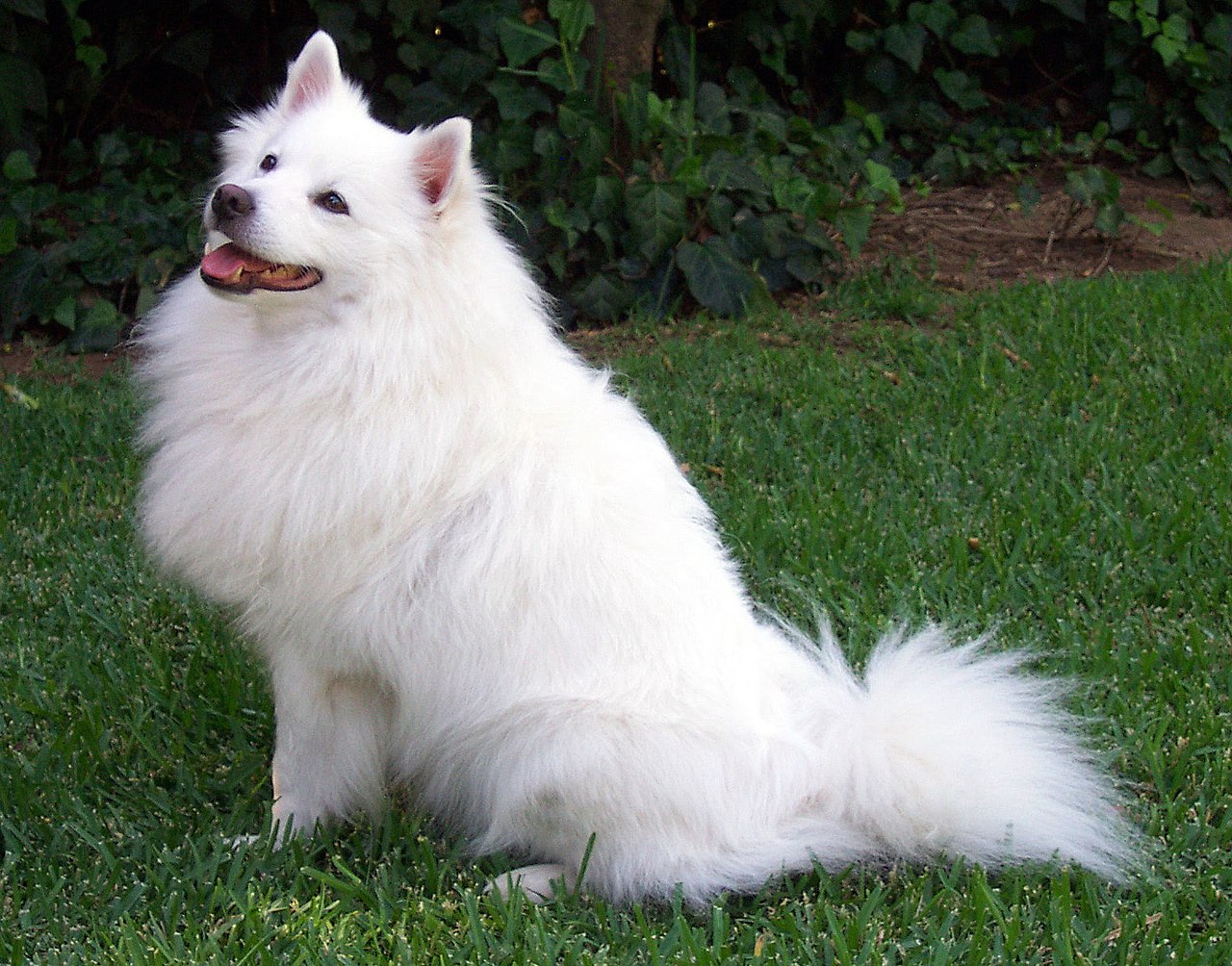





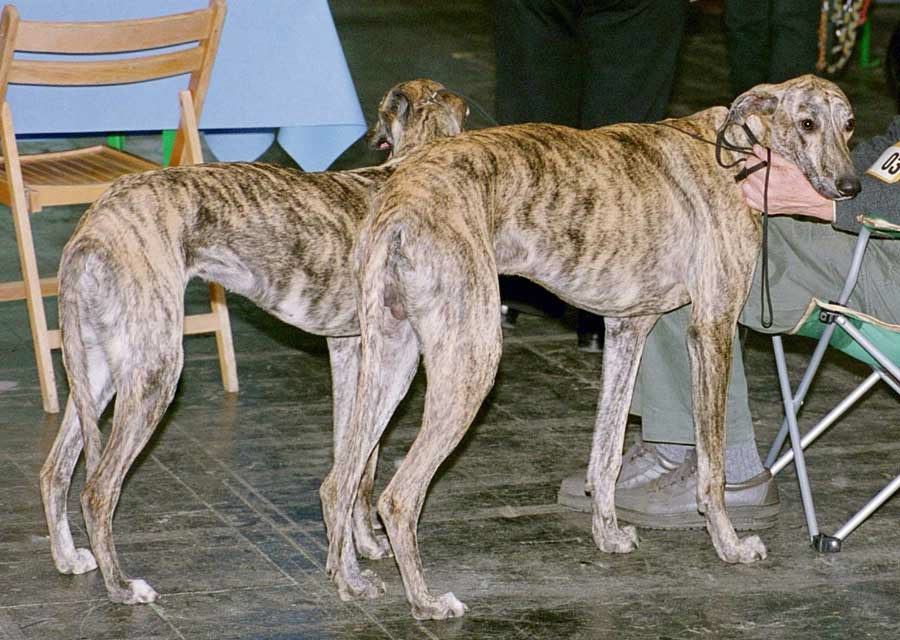
Structure and common coat types
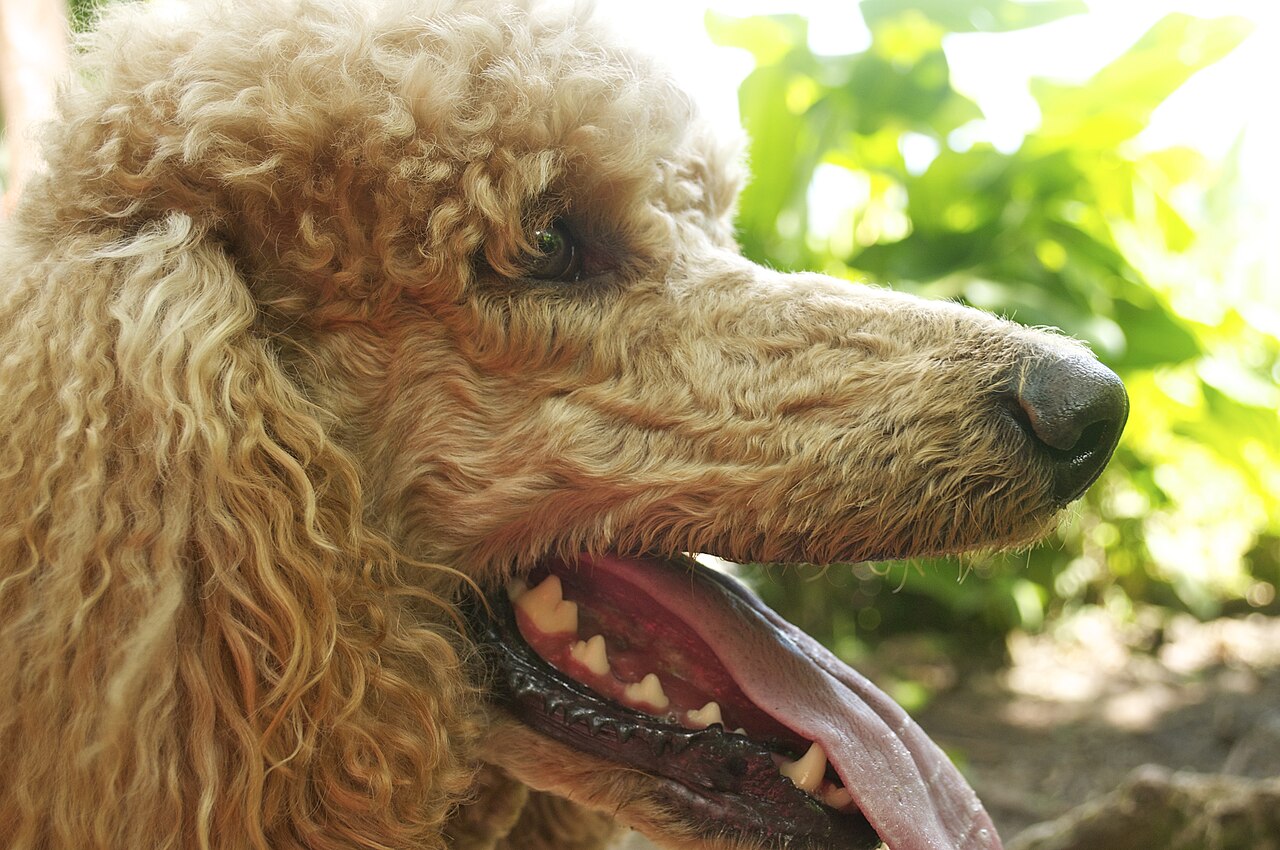
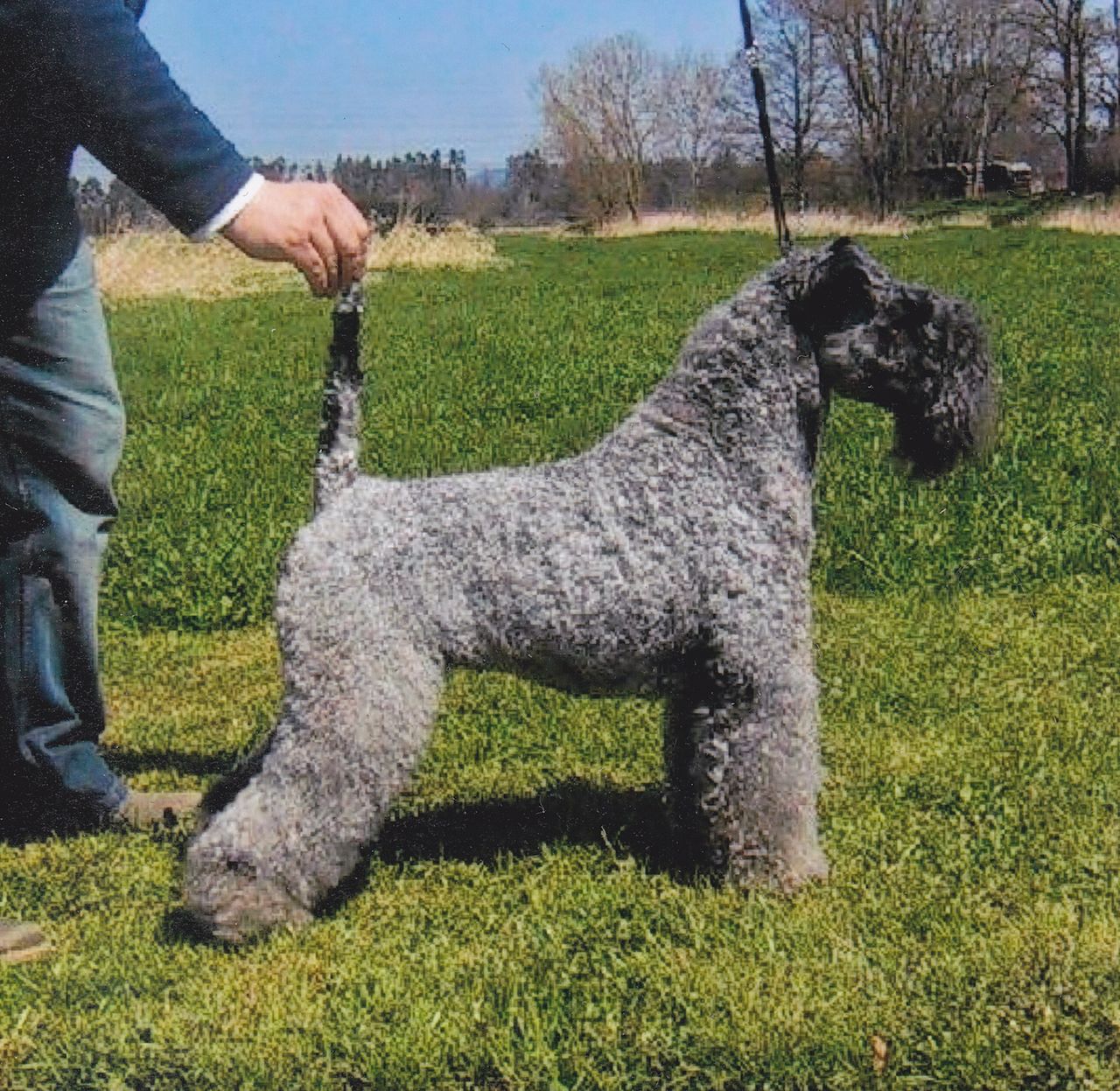
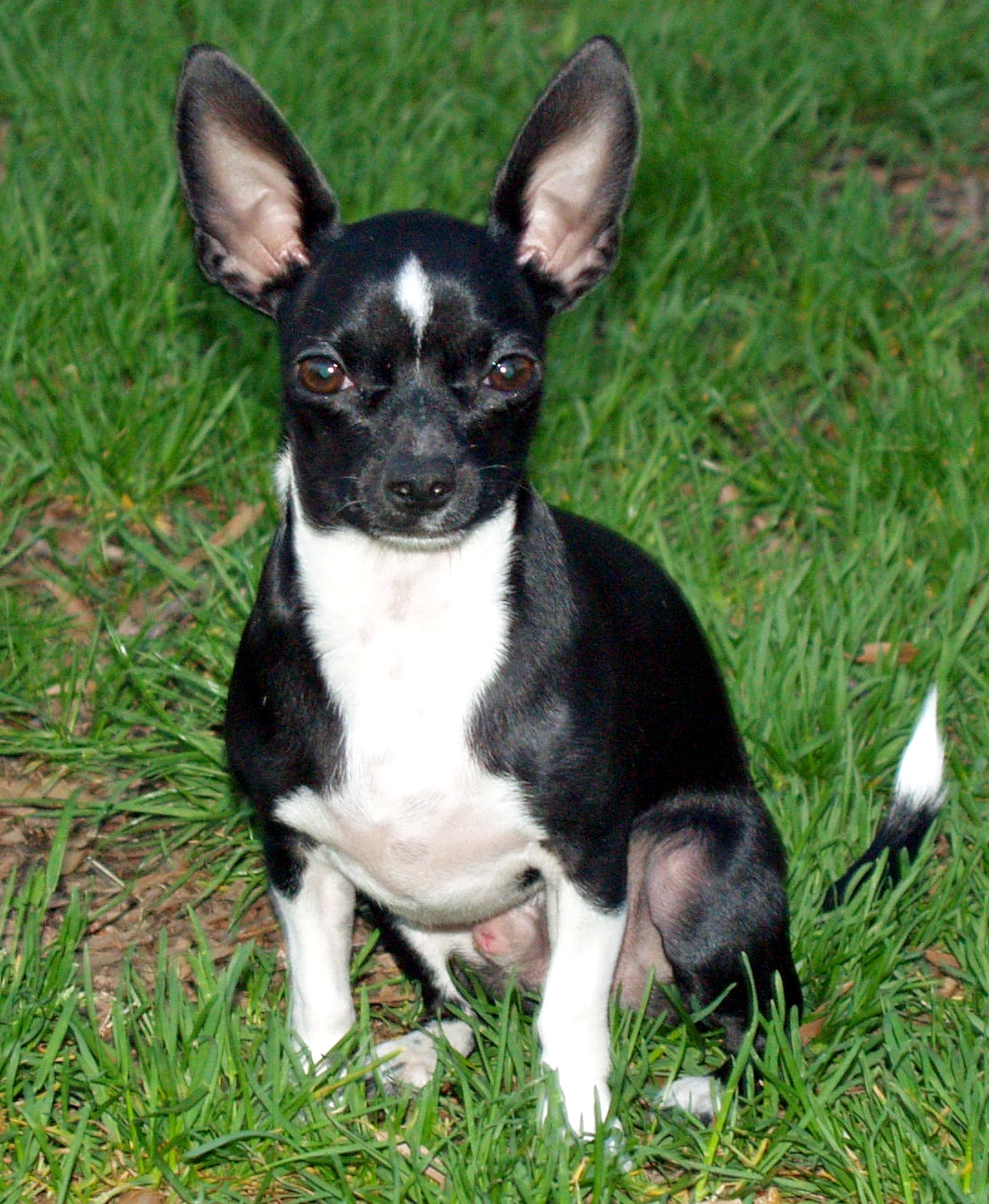
Coats are usually described by their layers and texture. Many breeds have a double coat consisting of a soft, dense undercoat topped by longer, coarser guard hairs. Single-coated dogs lack a substantial undercoat and have only the top coat. Textures include smooth, wiry, curly and silky, and some dogs develop distinctive "furnishings" such as moustaches and eyebrow tufts.
- Double coat: dense underlayer + guard hairs; common in working and northern breeds.
- Single coat: usually shorter, sheds differently; seen in many toy and sighthound breeds.
- Curly or corded coats: tight curls or cords that require special care.
- Hairless or partially hairless: breeds with minimal coverage on much of the body.
Functions and seasonal changes
The coat insulates against cold and heat, protects skin from UV light, abrasions and insects, and conceals scent and appearance. Many double-coated breeds undergo seasonal moulting, where the undercoat is shed in spring and again in autumn in temperate climates. Shedding and coat density respond to daylight length, temperature, hormones and health status.
Care, grooming and practical considerations
Grooming preserves coat health and comfort. Basic care includes regular brushing to remove loose hairs and prevent matting, periodic bathing with dog-appropriate shampoo, nail trimming and attention to ears and skin. Different coat types require different routines: curly coats often need trimming and professional maintenance, while heavy double coats benefit from de-shedding tools rather than close clipping.
- Brush regularly according to coat type.
- Use gentle bathing; avoid over-washing.
- Address mats promptly and seek professional care when needed.
- Watch for skin changes, excessive shedding or odor as signs of health issues.
Breeds, terminology and notable facts
Some breeds are marketed as “hypoallergenic” because they shed less or have hair that traps dander, but no dog is truly allergen-free. Working and northern breeds (e.g., sled dogs) typically have thick double coats, while breeds bred for warm climates may have single or sparse coats. Coat condition can reflect overall health: dull, thinning or patchy hair may indicate nutritional deficiencies, parasites, endocrine disorders or other medical problems and should prompt veterinary assessment.
Understanding a dog’s coat helps owners provide proper care, choose suitable breeds for their lifestyle, and recognize when a coat change signals an underlying health concern.
Tags
Related articles
Author
AlegsaOnline.com Dog coat Leandro Alegsa
URL: https://en.alegsaonline.com/art/21236