
Skiing: alpine, Nordic, and recreational snow travel and sport
Skiing is sliding over snow on skis for transport, recreation, fitness, and competition. This article explains types, equipment, history, uses, and safety considerations.
Overview
Skiing is the practice of moving across snow while standing on elongated, narrow runners called skis. It appears in both organized sport and informal recreational contexts, ranging from casual outings at ski resorts to elite international competitions. Skis are attached to special boots using bindings that control release and stability; they allow gliding, turning and braking on snowy terrain snow.
Image gallery
10 Images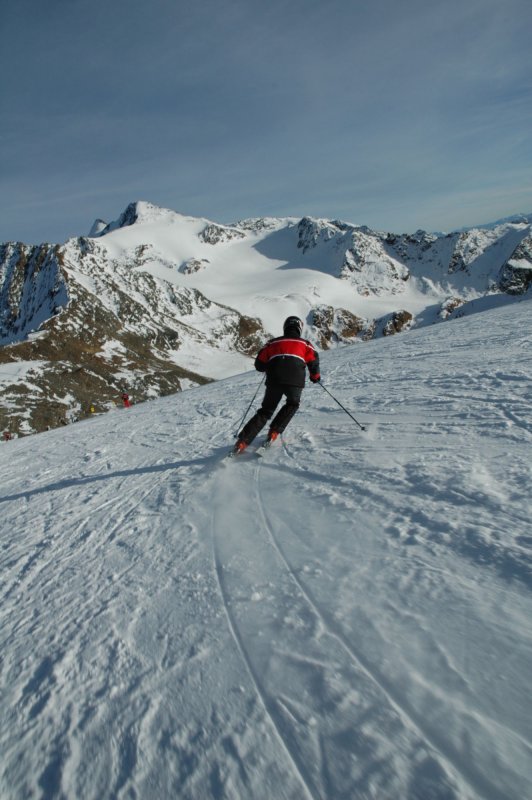



Equipment and basic technique
Key components are skis, boots and bindings, often supplemented by poles, helmets and clothing suited to cold and wet conditions. Modern boots are rigid and secure the ankle and shin. Bindings connect the boot to the ski and are designed to release in a fall to reduce injury risk; maintenance and proper fitting are essential for safety. For more on footwear and connections see boot and binding resources.
Major types of skiing
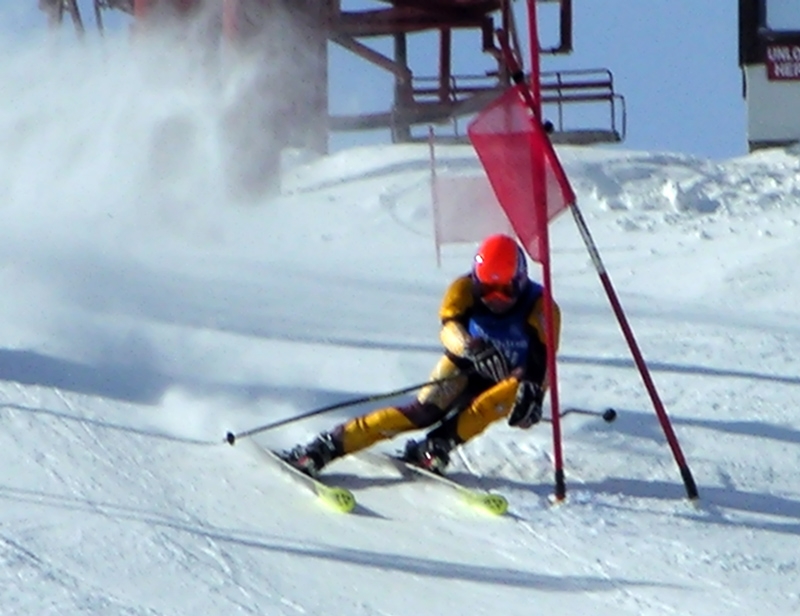
- Alpine (downhill): focused on descending prepared slopes, using chairlifts or other lifts to return uphill.
- Cross-country (Nordic): emphasizes endurance over varied terrain, often on ungroomed or groomed trails.
- Telemark and ski touring: blend uphill travel and off-piste descent, with bindings that allow a free heel.
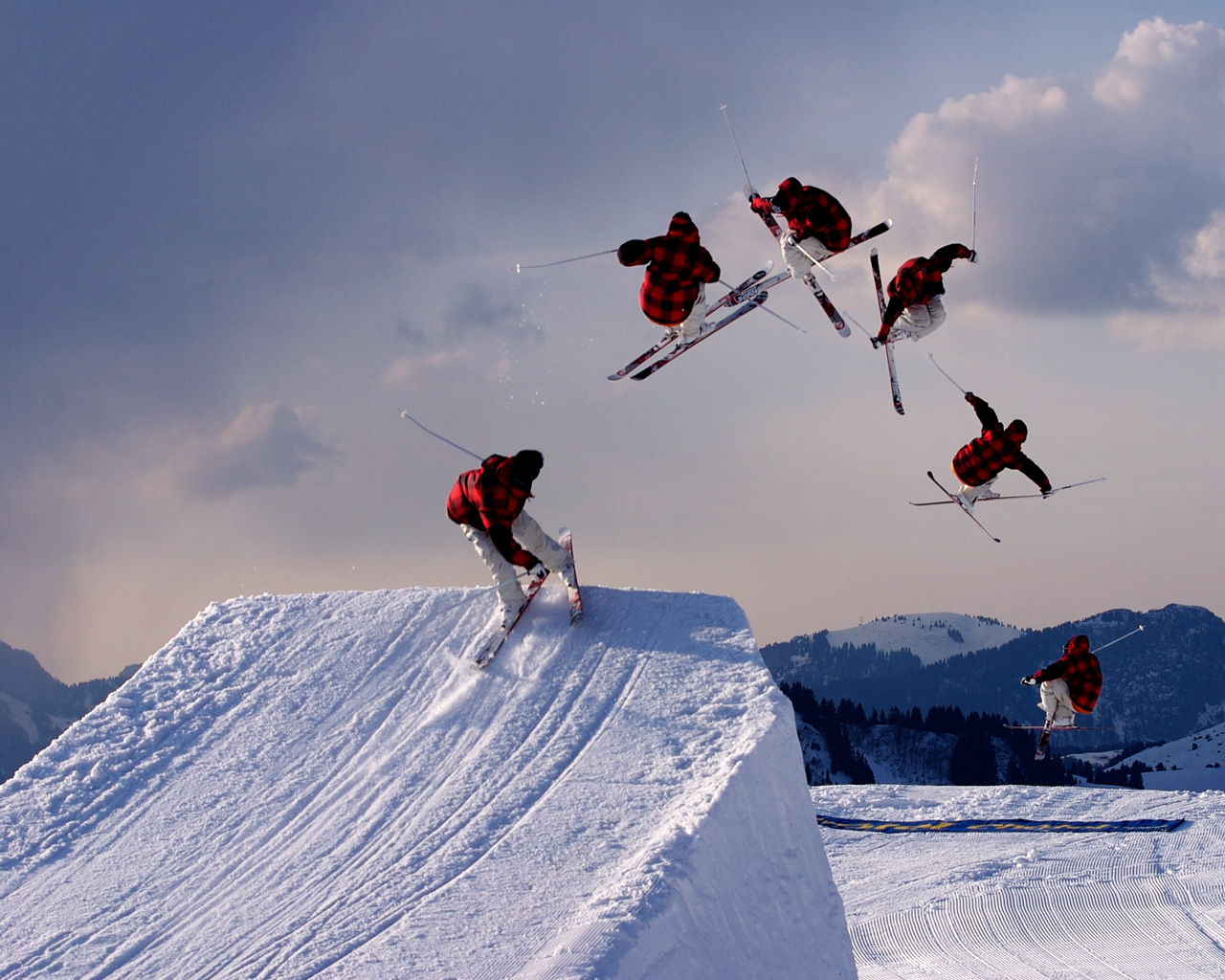
- Freestyle and ski jumping: competition forms emphasizing tricks, aerials or distance.
History and development
Skiing has roots as a practical mode of travel in snowbound regions and is visible in ancient art and archaeological finds from northern countries. Over centuries it evolved into recreational and competitive forms. Technique, equipment and infrastructure advanced rapidly in the 19th and 20th centuries, coinciding with organized clubs, resorts and international competition circuits.
Uses, culture and notable distinctions
Beyond recreation and sport, skiing serves transportation in remote areas, military training and mountain guiding. It supports tourism economies and has distinct subcultures—resort-based alpine communities, backcountry skiers, Nordic clubs and freestyle scenes. Key distinctions include uphill assistance (lifts or skins) and binding designs (fixed vs free heel), which define how a discipline is practiced.
Safety and environment
Practitioners must consider avalanche risk, weather, equipment fit and fitness. Ski areas and backcountry users use different risk-management strategies. Skiing also intersects with environmental concerns: snowmaking, resort development and climate variability affect viable seasons and landscapes. Responsible practice and awareness help preserve both personal safety and mountain environments.
Related articles
Author
AlegsaOnline.com Skiing: alpine, Nordic, and recreational snow travel and sport Leandro Alegsa
URL: https://en.alegsaonline.com/art/90919
Sources
- books.google.com : Historical Dictionary of Skiing
- books.google.com : Visual Dictionary