
Soapstone (steatite): composition, history, uses and properties
Soapstone, or steatite, is a talc-rich metamorphic rock known for softness, heat resistance and carvability. It has long use in sculpture, cookware, stoves, countertops and electrical ceramics, with ancient and modern importance.
Soapstone, also called steatite, is a compact metamorphic rock notable for a high content of the mineral talc. Its soft, soapy feel gives the material its common name. Geologically it is classified as a metamorphic rock formed when ultramafic or magnesium-rich sediments and rocks alter under low to moderate temperatures and pressures, often in the presence of fluids that concentrate talc and related minerals.
Image gallery
10 Images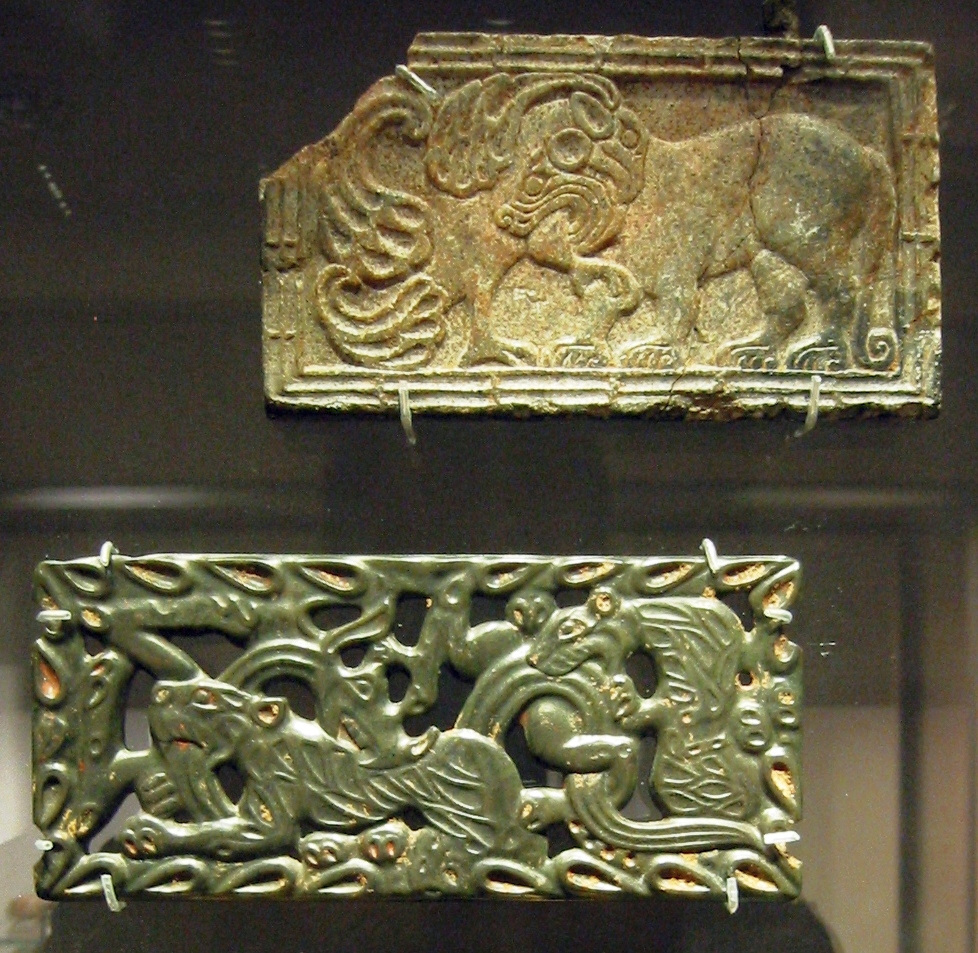


Characteristics
Soapstone varies in color from pale gray and green to brown or black depending on accessory minerals. Its defining qualities include notable softness (due to abundant talc), good heat retention, resistance to chemical attack, and low porosity. These properties make it easy to shape and finish by carving, sawing, or sanding; it can take a smooth, polished surface and retains warmth longer than many other stones.
Formation and historical use
Soapstone forms through metamorphic alteration—often by hydrothermal processes—of magnesium-bearing rocks. It has been worked by many cultures for millennia. For example, artisans of the ancient Harappan civilization used steatite to make seals and small carved objects. Across the world, soapstone appears in prehistoric sculpture, domestic objects, and architectural elements because it was widely available and easy to shape with simple tools.
Common uses
- Carving and sculpture: its softness makes soapstone a preferred material for small-scale sculpture and decorative objects.
- Cookware and hearths: because it absorbs and radiates heat evenly, soapstone is used for wood-burning stoves, fireplace surrounds, and certain cooking slabs.
- Countertops and sinks: its low porosity resists staining and makes it suitable for kitchen and laboratory surfaces.
- Industrial ceramics and insulators: densified and fired steatite has been used historically in electrical components where thermal stability and electrical insulation are needed.
Working, care and notable facts
Soapstone can be worked with common woodworking tools and finished with oil to enhance color. It is softer than most dimension stones—because talc is among the softest minerals—and so scratches more easily; minor surface marks can often be sanded out. Unlike many natural stones, soapstone’s chemical inertia means it resists acids and alkalis, making it useful in laboratory benches and corrosive environments. For general reference on the mineral talc, see talc.
Regional names, grades and industrial treatments vary: untreated steatite is used for carving and architectural elements, while processed, fired steatite has historically been important in ceramic electrical insulators and other technical applications. For further reading on geology and uses, consult specialist sources and museum collections that document the material’s broad cultural and industrial role.
Related articles
Author
AlegsaOnline.com Soapstone (steatite): composition, history, uses and properties Leandro Alegsa
URL: https://en.alegsaonline.com/art/91390