
Small intestine cancer (small bowel cancer): overview, types and care
Concise encyclopedia entry on small intestine (small bowel) cancer: definition, anatomy, tumor types, symptoms, diagnosis, treatment, prognosis, epidemiology and risk factors.
Small intestine cancer, also called small bowel cancer, is a malignancy that arises in the narrow, winding section of the digestive tract responsible for most nutrient absorption. In modern oncology it is recognized as uncommon compared with other gastrointestinal cancers, including stomach cancer and colorectal cancer. The disease may develop anywhere along the three anatomical sections: the duodenum, the jejunum and the ileum. More generally it is described as cancer of the small intestine.
Image gallery
6 Images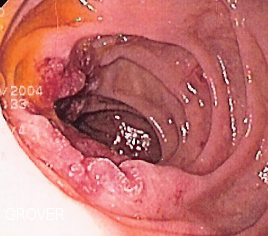



Anatomy and common tumour types
The small intestine is divided into duodenum, jejunum and ileum; tumours in the duodenum often have clinical and pathological features similar to stomach cancers, while those in the jejunum and ileum may resemble colorectal disease. Primary neoplasms encountered include:
- Adenocarcinoma — arises from glandular lining cells and is relatively common in the duodenum.
- Neuroendocrine tumours (carcinoids) — often slow growing and frequently encountered in the ileum.
- Lymphoma — originates in lymphoid tissue present in the small bowel.
- Gastrointestinal stromal tumours (GIST) and sarcomas — develop from connective tissue or smooth muscle.
Symptoms and diagnosis
Symptoms are often non‑specific: intermittent abdominal pain, unexplained weight loss, nausea, bleeding, anemia or bowel obstruction. Because early signs can mimic benign disorders, diagnosis commonly involves cross‑sectional imaging (CT or MRI), endoscopy with biopsy and, when indicated, capsule endoscopy or enteroscopy to view segments beyond standard reach.
Treatment and prognosis
Treatment depends on tumour type and stage. Surgery is the primary curative approach for localized lesions. For advanced disease, chemotherapy, targeted agents, immunotherapy and occasional radiotherapy are used according to histology. Prognosis varies: outcomes are generally better when disease is detected early, while advanced or metastatic tumours have a poorer outlook. Reported five‑year survival rates vary by study and tumour type.
Epidemiology, risk factors and research
Small bowel cancer is rare relative to other digestive‑tract malignancies. Recognized risk factors include chronic inflammatory conditions such as Crohn’s disease and celiac disease, inherited syndromes (for example familial polyposis or mismatch repair defects), prior abdominal radiation and some environmental exposures. Research priorities include improving early detection, tailoring systemic therapies to molecular subtypes and clarifying long‑term outcomes. For clinical context and further reading about the organ involved, see resources on the small intestine.
Related articles
Author
AlegsaOnline.com Small intestine cancer (small bowel cancer): overview, types and care Leandro Alegsa
URL: https://en.alegsaonline.com/art/91182
Sources
- seer.cancer.gov : "SEER Stat Fact Sheets: Small Intestine Cancer"