
Spa (thermal baths, wellness and hydrotherapy centers)
A spa is a facility focused on hydrotherapy, relaxation and health treatments, from natural hot springs to modern resort services and medical rehabilitation.
Overview
A spa is a place where water and related treatments are used to promote relaxation, rehabilitation and general well‑being. Historically and today, many spas emphasize the therapeutic qualities of mineral or thermal waters and the practice of water-based therapies. Modern spas range from simple public baths to comprehensive resort complexes offering medical and cosmetic services.
Image gallery
10 Images


Characteristics and common treatments
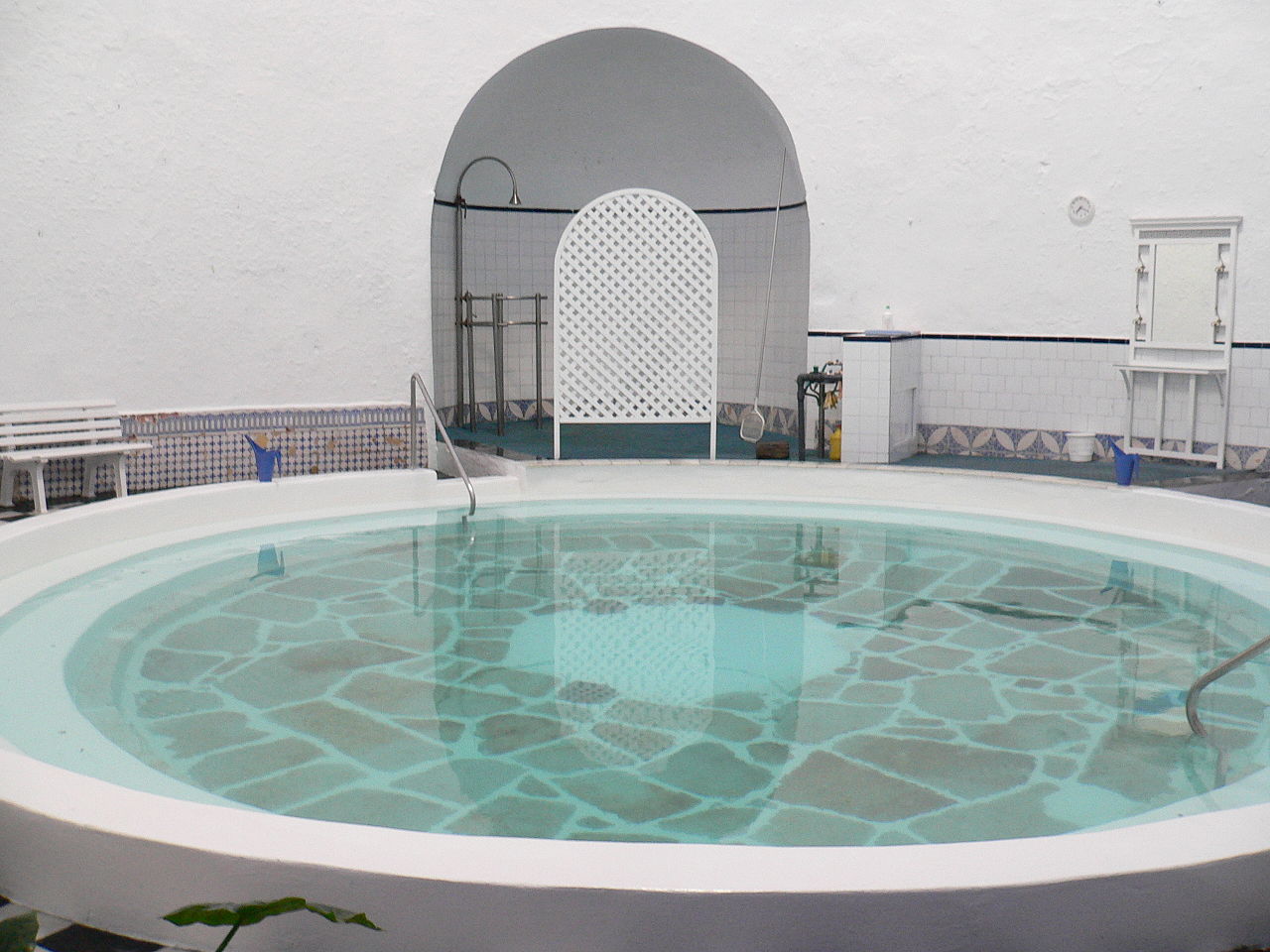
Spas combine environmental features with human services. Core elements often include bathing pools, steam rooms, and areas for manual therapies. Typical treatments are:
- Hydrotherapy: immersion in hot, warm or cold water for circulation and pain relief.
- Balneotherapy: soaking in mineral-rich waters believed to have beneficial effects.
- Thermal bathing and bathing protocols: guided sequences of warm and cold applications.
- Massage, physiotherapy and wellness services: to address muscular, stress-related, and rehabilitative needs.
History and distribution
People have attributed healing or restorative power to mineral waters since prehistoric times. In many regions elaborate bathing cultures developed, from Roman baths and Greek bathing practices to Ottoman hammams and Japanese onsens. Spa towns grew where natural springs were accessible, becoming social and medical centers in Europe and elsewhere; the tradition remains strong in countries that value thermal tourism and spa medicine. Many modern resorts trace their origins to these long-standing bathing customs and to the establishment of specialized centers in the 18th and 19th centuries.
Uses, examples and importance
Spas serve diverse roles: preventive wellness, short-term relaxation, rehabilitation after injury or illness, and complementary care for chronic conditions such as arthritis or circulatory disorders. They are also important economically as destinations in health and leisure tourism. Examples include small community bathhouses, mountain thermal resorts, and full-service destination spas combining accommodation, medical consultation and lifestyle programs.
Types and notable distinctions
Not all spas are identical. Natural hot spring resorts emphasize geology and mineral content, while medical spas focus on clinician-led therapies. Day spas concentrate on relaxation treatments without overnight accommodation. The phrase "spa" can imply traditional balneological practice or contemporary wellness services; where geological springs are central, the site is often called a hot spring or thermal resort and may be marketed as a hot springs destination. Many historic spa towns continue to advertise their curative waters as a distinguishing feature—see examples of well-known spa towns and their development in local histories and tourism literature (spa towns).
Whether valued for clinical rehabilitation, leisurely pampering, or cultural tradition, spas remain a global phenomenon that links water, health beliefs and hospitality across many societies.
Related articles
Author
AlegsaOnline.com Spa (thermal baths, wellness and hydrotherapy centers) Leandro Alegsa
URL: https://en.alegsaonline.com/art/92392
Sources
- ard.bmjjournals.com : A brief history of spa therapy, A van Tubergen and S van der Linden