
Oncology: The Study and Treatment of Cancer
Oncology is the medical field concerned with the diagnosis, management, research and prevention of cancer. It encompasses clinical care, laboratory science, and supportive services across multiple subspecialties.
Oncology is the branch of medicine focused on the medical specialty that addresses cancer — its causes, diagnosis, treatment and prevention. The word derives from the Greek onkos, meaning bulk or mass, combined with -ology, meaning "study of." Physicians who care for people with cancer are known as oncologists. Oncology is both a clinical discipline and a field of active scientific investigation.
Image gallery
2 Images
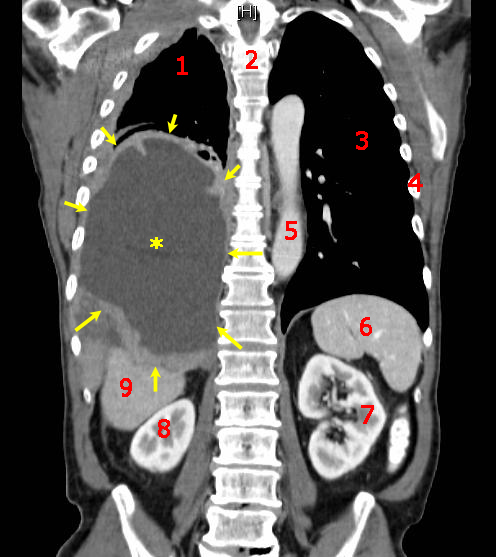
Scope and subspecialties
Oncology is organized into several overlapping areas of practice. Key clinical subspecialties include:
- Medical oncology — systemic drug therapies such as chemotherapy, targeted agents and immunotherapy.
- Surgical oncology — operative removal of tumors and related reconstructive procedures.
- Radiation oncology — use of ionizing radiation to control or eradicate malignant cells.
- Pediatric, gynecologic and other organ-specific oncology — care tailored to age groups or tumor sites.
Diagnosis, treatment and care
Diagnosis commonly involves imaging, laboratory tests and tissue sampling. Treatment plans are individualized and may combine modalities: surgery, radiation, systemic therapies and supportive care. Oncology teams often include physicians, nurses, pharmacists, radiologists and allied health professionals working together to manage symptoms, side effects and long-term survivorship needs. Practical aims include tumor control, symptom relief, life prolongation and quality-of-life preservation.
History and development
The understanding of cancer evolved from early clinical observations to modern molecular and immune-based approaches. Advances in diagnostic techniques, surgical methods, radiotherapy and pharmacology have transformed patient outcomes. More recently, targeted therapies and immunotherapies have changed treatment strategies by focusing on specific tumor biology or harnessing the immune system.
Importance and examples
Oncology plays a central role in public health through prevention, screening, early detection and treatment. Examples of oncology practice include screening programs, multidisciplinary tumor boards, clinical trials that seek better therapies, and palliative care services that address pain and complex symptoms. Research in oncology spans laboratory studies of cancer biology to large clinical trials testing new drugs and combinations.
For further context about the field as a study, its clinical framework and approaches to treatment, see introductory resources and specialty guidelines. Oncology remains a rapidly evolving discipline that integrates scientific discovery with compassionate patient care.
Related articles
Author
AlegsaOnline.com Oncology: The Study and Treatment of Cancer Leandro Alegsa
URL: https://en.alegsaonline.com/art/72556