
Sore throat (pharyngitis): causes, symptoms and care
Sore throat (pharyngitis) is pain or irritation in the throat. Causes range from viral infections to trauma and tumours. This article explains symptoms, common causes, diagnosis, treatments, home remedies and prevention.
Overview
Sore throat, also called throat pain or pharyngitis, describes discomfort, scratchiness or pain felt in the throat and surrounding structures. It is a common symptom rather than a single disease; the term simply denotes irritation or inflammation of the pharynx or nearby tissues such as the tonsils. For a basic description of the affected area see throat and anatomical notes at pharynx location.
Image gallery
1 Image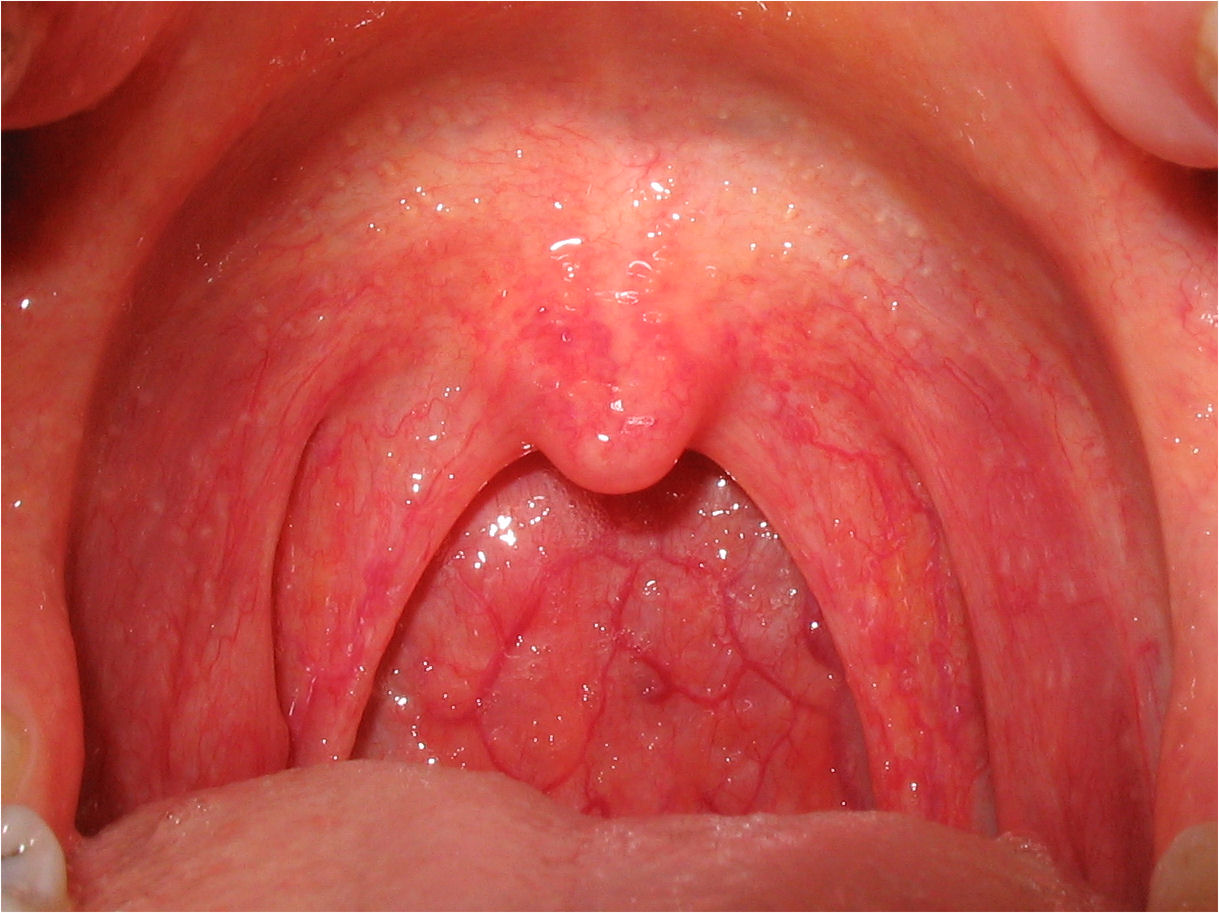
Common causes and characteristics
The most frequent cause of sore throat is a viral infection of the upper respiratory tract, commonly called viral pharyngitis. Other important causes include bacterial infection (notably streptococcal pharyngitis), inflamed or infected tonsils, physical injury and less common conditions such as tumours or referred pain from acid reflux.
- Viral infections — cold and flu viruses are the leading reason for sore throats; see more about viral causes here.
- Bacterial infections — Group A streptococcus can cause strep throat, which may require specific testing and antibiotic therapy.
- Tonsillitis — recurrent or chronic tonsil problems can produce persistent sore throat; related information: tonsils.
- Trauma and irritation — shouting, dry air, chemical exposure or swallowing a sharp object can injure the throat (trauma).
- Other — allergies, postnasal drip, gastroesophageal reflux disease (GERD) and, rarely, tumours.
Symptoms and diagnosis
Typical symptoms include throat pain or scratchiness, pain when swallowing, swollen glands in the neck, hoarseness and sometimes fever or cough. Distinguishing viral from bacterial causes on symptoms alone can be difficult. Health professionals commonly use rapid antigen detection tests or throat cultures when streptococcal infection is suspected. For guidance about recognizing and monitoring painful symptoms, see symptom advice.
Treatment and home care
Treatment depends on the cause. Most viral sore throats improve with supportive care. Measures that ease discomfort include staying hydrated, warm liquids, saltwater gargles, throat lozenges and humidified air. Over-the-counter analgesics reduce pain and fever. Medications such as cough drops or lozenges can provide temporary relief; see examples at medicine options.
- Antibiotics are effective only for bacterial infections like strep throat and should be used when a clinician confirms the diagnosis.
- Steroids may be given in selected severe cases to reduce swelling and pain.
- Tonsillectomy is considered for recurrent, documented tonsillitis or complications from chronic infection.
- Cultural or traditional remedies exist in many regions — for example, in China pear-syrup candy is used as a soothing agent pear-syrup candy.
Prevention, complications and public health
Preventive steps include hand hygiene, avoiding close contact with infected people, not smoking and staying up to date with vaccinations for influenza. While most sore throats are self-limiting, complications can occur when bacterial infections are untreated, including ear infections, abscess formation or rheumatic complications in rare cases. In population surveys roughly 7.5% (about 3 in 40 people) report a sore throat within a three-month period, reflecting the symptom's widespread but usually benign nature.
If pain is severe, persistent, accompanied by high fever, difficulty breathing or swallowing, or if symptoms recur frequently, seek medical evaluation for appropriate testing and treatment.
Questions and answers
Q: What is a sore throat?
A: Sore throat or throat pain is pain in a person's throat.
Q: How common is sore throat among people?
A: About 7.5% or 3/40 of people have sore throat in any three-month period.
Q: What is the most common cause of sore throat?
A: Most of the time, it is caused by viral pharyngitis.
Q: What are some other causes of sore throat?
A: It can also be caused by bad tonsils, trauma, strep throat, tumors, and other problems.
Q: How is sore throat treated?
A: Treatment varies with the different causes, but the painful symptoms can be helped with medicine such as cough drops or, in China, pear-syrup candy.
Q: Is pear-syrup candy commonly used to treat sore throat?
A: It is mentioned as a possible treatment in China, but it is not specified if it is commonly used.
Q: Can sore throat be prevented?
A: It may be prevented by maintaining good oral hygiene, avoiding contact with sick people, and keeping the immune system strong through a healthy lifestyle.
Related articles
Author
AlegsaOnline.com Sore throat (pharyngitis): causes, symptoms and care Leandro Alegsa
URL: https://en.alegsaonline.com/art/91965