
Jejunum: structure, function, and clinical significance
The jejunum is the middle portion of the small intestine, specialized for nutrient absorption. This article describes its anatomy, histology, function, clinical relevance and the origin of its name.
Overview
The jejunum is the central segment of the small intestine, positioned between the duodenum proximally and the ileum distally. Together with those regions it forms the small bowel; the jejunum itself is typically about one to two metres in length and is the principal site for the absorption of many nutrients. It is supplied mainly by branches of the superior mesenteric artery and contains a dense network of blood vessels and lymphatics that support absorption and transport.
Image gallery
4 Images


Anatomy and distinguishing features
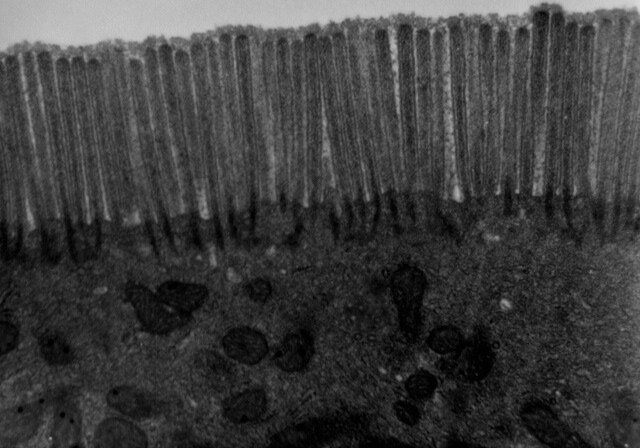
The jejunum differs from the neighboring segments of the small intestine in several macroscopic and microscopic ways. Macroscopically it usually has a larger lumen and thicker wall than the ileum, with more prominent circular folds called plicae circulares. Microscopic surface specializations — numerous villi and abundant enterocytes — increase surface area for absorption. Lymphatic capillaries known as lacteals within villi collect absorbed fats.
- Plicae circulares: prominent folds that slow transit and increase absorptive surface.
- Villi and microvilli: dense brush border for enzymatic breakdown and uptake.
- Blood supply: rich arterial and venous flow for nutrient transport.
- Lymphatics: lacteals for fat absorption and immune surveillance.
Histology and physiological role
At the tissue level the jejunal mucosa is specialized for absorption: enterocytes with abundant brush border enzymes and transporters process carbohydrates, proteins and lipids. Goblet cells that produce mucus are present but less numerous than in the ileum. Unlike the duodenum, the jejunum lacks Brunner's glands; compared with the ileum it has fewer aggregated lymphoid follicles (Peyer's patches). Functionally, the jejunum handles the bulk of nutrient uptake after initial chemical digestion in the stomach and duodenum.
Clinical importance and diagnostic approaches
Disorders affecting the jejunum can impair nutrient absorption and lead to weight loss, deficiency states or diarrhoea. Conditions with notable jejunal involvement include celiac disease (which commonly affects the proximal small intestine), ischaemia, mechanical obstruction, and surgical resections that contribute to short bowel syndrome. Although inflammatory bowel disease more often involves the terminal ileum, Crohn's disease can affect jejunal segments as well.
Evaluation of the jejunum uses a variety of imaging and endoscopic techniques. Capsule endoscopy, enterography, and deep enteroscopy permit visualization of mucosal lesions; radiologic small-bowel studies and CT or MR enterography show structural changes. Treatment depends on cause and may range from dietary management and pharmacology to surgery in obstructive or ischemic disease.
Etymology and notable facts
The name derives from the Latin jejunus, meaning "empty" or "meager," a label that arose because early anatomists observed this intestinal segment often appeared empty at postmortem. That root also produced the English adjective "jejune," used figuratively to describe something lacking substance. The jejunum's central role in nutrient absorption, its distinct anatomy and its clinical vulnerabilities make it a frequent subject of study in anatomy, physiology and gastroenterology.
For more general context about the small intestine and adjacent segments, see the duodenum and ileum sections: small intestine overview, duodenum, ileum. Typical anatomical descriptions often note the jejunum's length and position in relation to adjacent parts (length reference).
Related articles
Author
AlegsaOnline.com Jejunum: structure, function, and clinical significance Leandro Alegsa
URL: https://en.alegsaonline.com/art/49873