
Ileum: structure, function, and clinical importance
The ileum is the distal portion of the small intestine in humans, typically 2–4 meters long. This article covers its anatomy, histology, role in absorption and immunity, and common clinical issues.
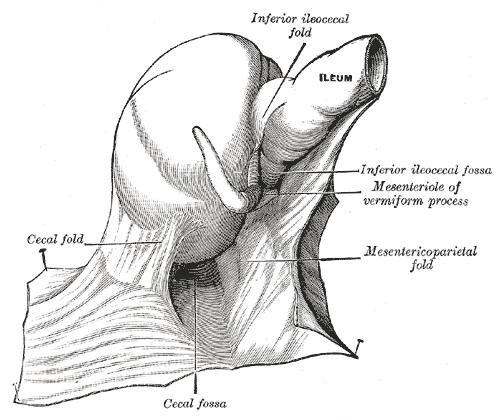
The ileum is the final segment of the small intestine, situated distal to the jejunum and terminating at the ileocecal valve. In adults the ileum is classically described as measuring roughly 2–4 meters in length, though individual size varies with body habitus and age. It lies mainly in the lower right quadrant of the abdomen and is suspended by the mesentery, which carries its blood vessels and nerves.
Image gallery
5 Images


Anatomy and microscopic features
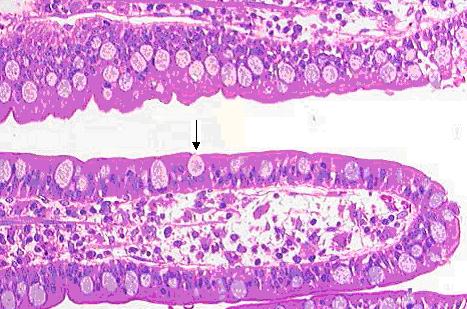
Macroscopically the ileum is narrower and has fewer large circular folds than the jejunum. Microscopically its mucosa is lined with villi and enterocytes bearing microvilli, producing a large absorptive surface. Aggregated lymphoid follicles known as Peyer’s patches are prominent in the ileal wall and contribute to gut immune surveillance. The arterial supply arises from branches of the superior mesenteric artery and venous drainage follows the superior mesenteric vein.
Primary functions
The ileum completes digestion and absorbs products that the jejunum leaves behind, including bile salts and vitamin B12 bound to intrinsic factor. It also continues uptake of monosaccharides, amino acids, and lipids. The abundant lymphoid tissue helps sample antigens and orchestrate mucosal immune responses, balancing tolerance and defense against pathogens.
Clinical significance
- Crohn’s disease commonly affects the terminal ileum, producing inflammation, strictures, and malabsorption.
- Surgical removal of portions of the ileum can lead to vitamin B12 deficiency and problems with bile salt recycling, often causing chronic diarrhea.
- Procedures such as ileocolonoscopy, capsule endoscopy and imaging studies evaluate ileal disease; long-term ileostomy alters absorptive function.
Distinguishing features and notable facts
Compared with the jejunum, the ileum typically has thinner walls, less vascularity, and more lymphoid tissue. Its role in reclaiming bile acids is essential to maintain fat digestion and enterohepatic circulation. Clinicians pay special attention to the terminal ileum because its involvement affects nutrient status and often guides management decisions for inflammatory and surgical conditions affecting the lower bowel.
For further anatomical diagrams and clinical guidelines, consult authoritative clinical resources or anatomical atlases. More information on the small intestine and intestinal length variations is available in general references on human anatomy and physiology (humans).
Related articles
Author
AlegsaOnline.com Ileum: structure, function, and clinical importance Leandro Alegsa
URL: https://en.alegsaonline.com/art/46684