
Stone Age: the prehistoric era of stone tools, art and early farming
The Stone Age is the long prehistoric period when humans made tools from stone. It spans early hominin tool use to the rise of farming and metallurgy, and is divided into Paleolithic, Mesolithic and Neolithic phases.
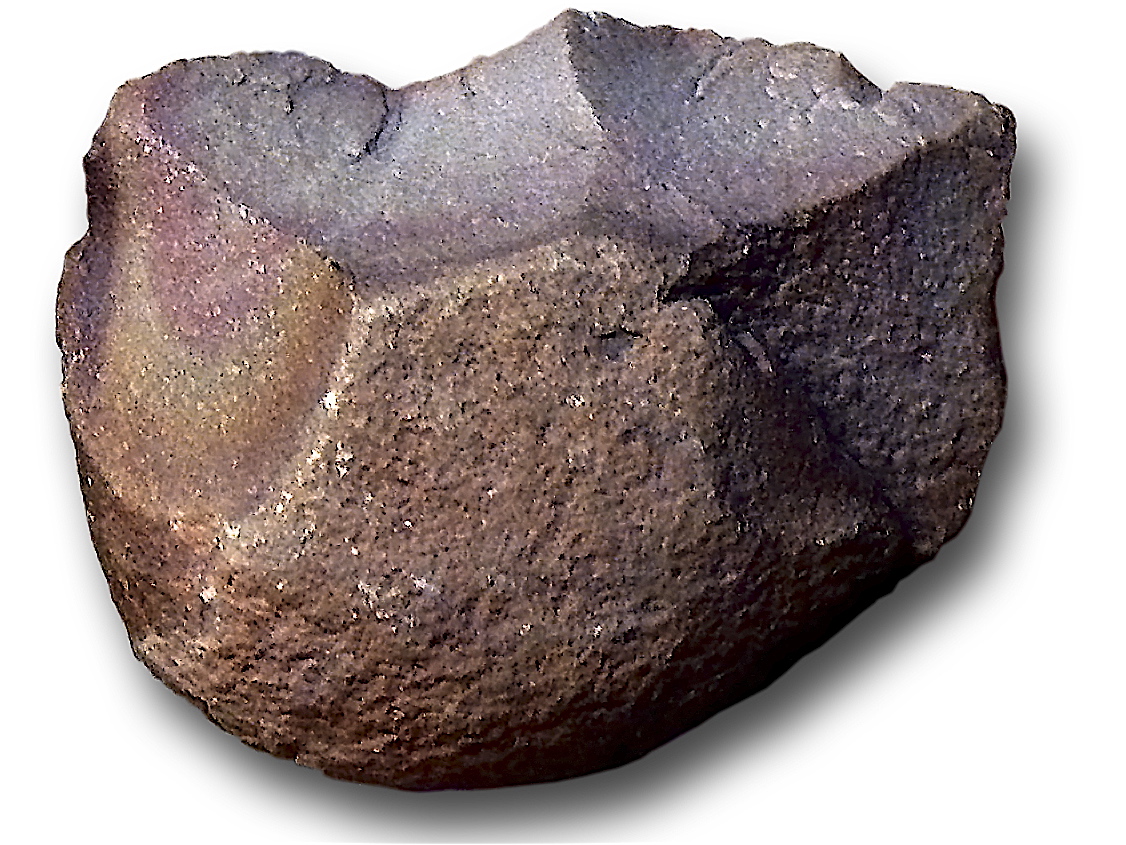
The Stone Age denotes the prehistoric span when people predominantly manufactured and used stone implements. Starting with the earliest known knapped tools around 3.3 million years ago, this era covers the vast majority of human existence before metallurgy became widespread. Archaeologists rely chiefly on durable remains such as flaked and ground stone artifacts, but the Stone Age also included wood, bone and antler technologies that rarely survive in the archaeological record.
Image gallery
10 Images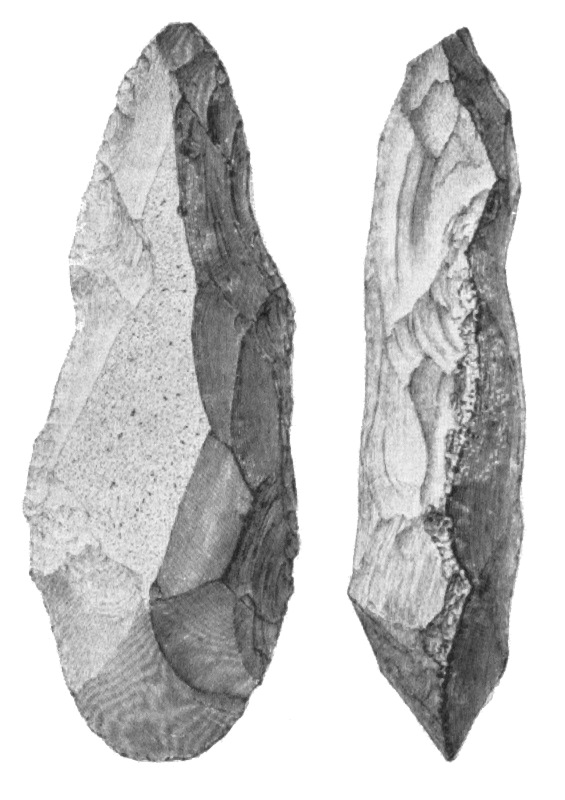





Chronology and major divisions
Scholars usually divide the Stone Age into three broad stages. The Paleolithic ("Old Stone Age") ranges from the first stone tools through most of human evolution and includes several technological and behavioral shifts. The Mesolithic ("Middle Stone Age" in some regions) represents transitional hunter-gatherer adaptations after the last Ice Age, often with microlithic toolkits. The Neolithic ("New Stone Age") marks the appearance of food production, pottery, permanent settlements and new kinds of stone tools adapted to farming and craft.
Characteristics and material culture
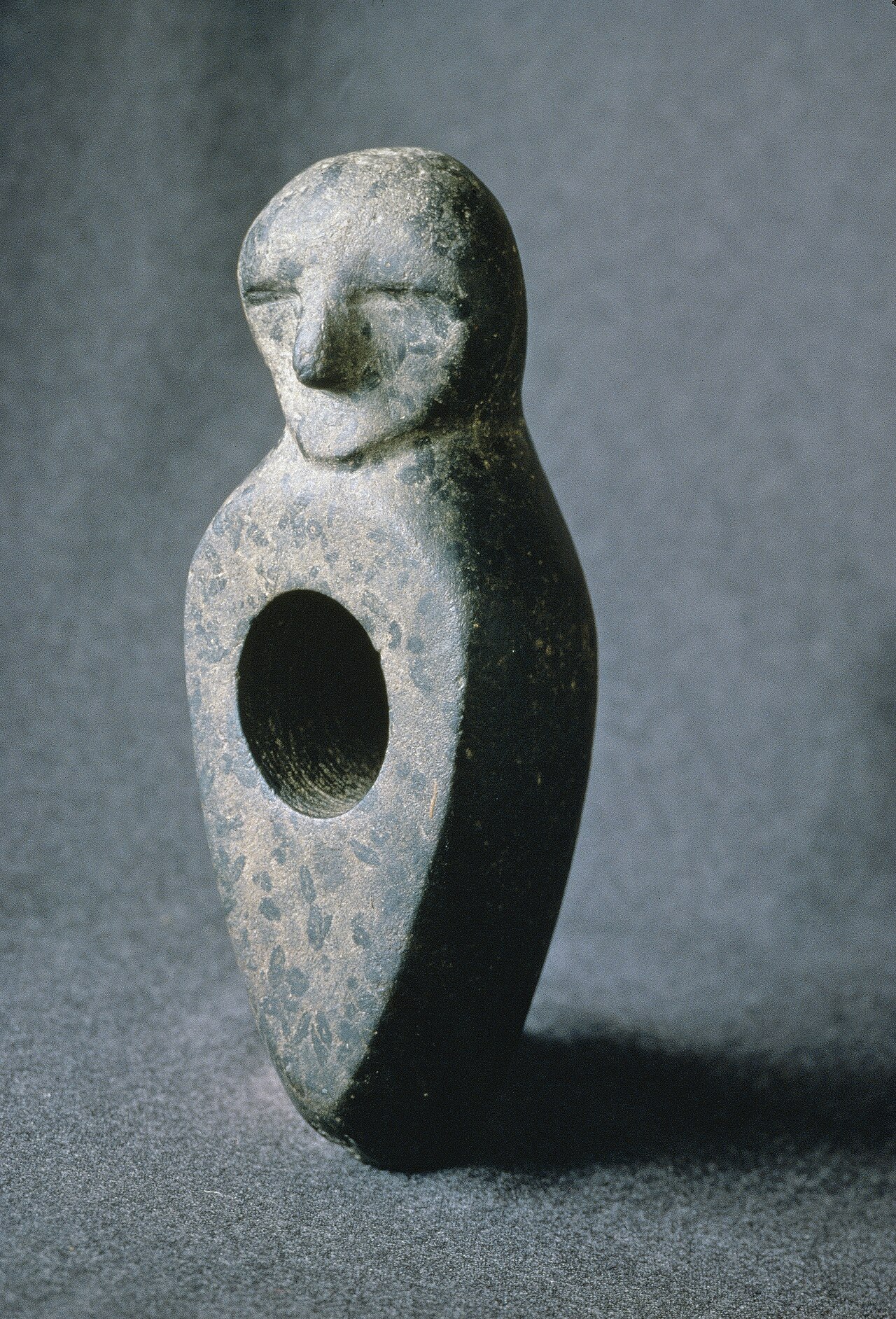
Stone Age societies made a wide variety of implements: simple hammerstones and flakes, shaped blades and points, polished axes, and ground-stone tools for processing plants. Hunting equipment included spearpoints and later composite weapons with bone or stone tips. Beyond tools, people produced portable art, carved figurines and monumental cave paintings, which reflect social, ritual and symbolic life. Burials and grave goods from later Stone Age contexts demonstrate increasing social complexity.
The environment and available raw materials shaped regional traditions. In wet climates organic tools were common but seldom preserved, while in arid and cold regions stone and bone remain visible in the record. Seasonal mobility, coastal foraging and riverine fishing were widespread strategies; in some places fishing and plant management preceded full-scale cultivation.
Transition to metallurgy and regional continuities
During the late Neolithic and Chalcolithic some communities discovered smelting and began working native metals such as copper, leading to bronze technology in many regions between roughly 4000–2000 BCE. This technological shift marks the conventional end of the Stone Age in areas where metals spread. However, in zones with limited metal access, stone technologies persisted alongside metals for specific tasks, and isolated societies retained traditional stone toolmaking into modern times, providing living windows into earlier ways of life.
Archaeology of the Stone Age combines artifact study, stratigraphy, radiometric dating and paleoenvironmental reconstruction to trace how toolkits, diets and social organization changed. The period is central to understanding human evolution, cognitive development and the origins of agriculture and settled life.
Further reading and resources
- Overview of Stone Age research
- Stone tool technologies
- Role of stone in prehistoric life
- Earliest known stone tools
- Chronology and duration estimates
- Woodworking and perishable technologies
- Bone and antler implements
- Archaeological methods
- Mesolithic adaptations
- Neolithic innovations
- Origins of farming
- Early pottery traditions
- Animal domestication
- Domesticated cattle and livestock
- Pigs and pastoral practices
- Emergence of smelting
- Early metallurgy
- Regions of early metalworking
- Copper usage in prehistory
- Bronze and the Bronze Age
- Transitions between ages
- Case studies from Papua New Guinea
- Continuity of stone technologies
- Late traditional societies
- Stone-tipped weapons
- Foraged plant foods
- Fishing and coastal economies
- Big-game hunting evidence
- Extinct megafauna in the record
- Use of animal organs and other resources
Questions and answers
Q: What is the Stone Age?
A: The Stone Age was a prehistoric time when people made tools from stone. It began when people created the first stone tools about 3.3 million years ago and lasted for about 3.4 million years, ending between 4,000 BC and 2,000 BC.
Q: What materials were used to make tools during the Stone Age?
A: During the Stone Age, people made tools out of stone, wood and bone. However, these materials do not last as long as stone so most of the Stone Age tools archaeologists have found are made of stone.
Q: How is the Stone Age divided?
A: Archaeologists divide the Stone Age into three sections - Paleolithic ("old stone"), Mesolithic ("middle stone") and Neolithic ("new stone").
Q: What did people invent during the Neolithic period?
A: During the Neolithic period, people invented farming and pottery and started to care for animals like cows and pigs.
Q: When did smelting (making metals) begin?
A: Sometime between 3000 BC and 2000 BC, people discovered how to make metals by smelting them which probably happened in the Middle East. People used copper first then learned how to make bronze.
Q: When did the Bronze Age begin?
A: The Bronze age began when people started using metals instead of stones which marked an end to the Stone age.
Q: Where were there still groups using Stone age technology in modern times?
A: Some groups of people in Papua New Guinea continued to use Stone Age technology into 20th century such as using stone-tipped weapons for hunting food or making shelters with animal skin .
Q: What kind of food was eaten during this time period ?
A: Food that was eaten in this era included berries (e.g blackberries), fish , animals (e .g mammoth )and animal organs .
Related articles
Author
AlegsaOnline.com Stone Age: the prehistoric era of stone tools, art and early farming Leandro Alegsa
URL: https://en.alegsaonline.com/art/94034
Sources
- springerlink.com : Handbook of Paleoanthropology