
St Kilda (Scottish archipelago)
Remote Scottish archipelago in the Outer Hebrides noted for dramatic sea cliffs, an abandoned village, huge seabird colonies (including the world’s largest North Atlantic gannet colony) and UNESCO status.
Overview
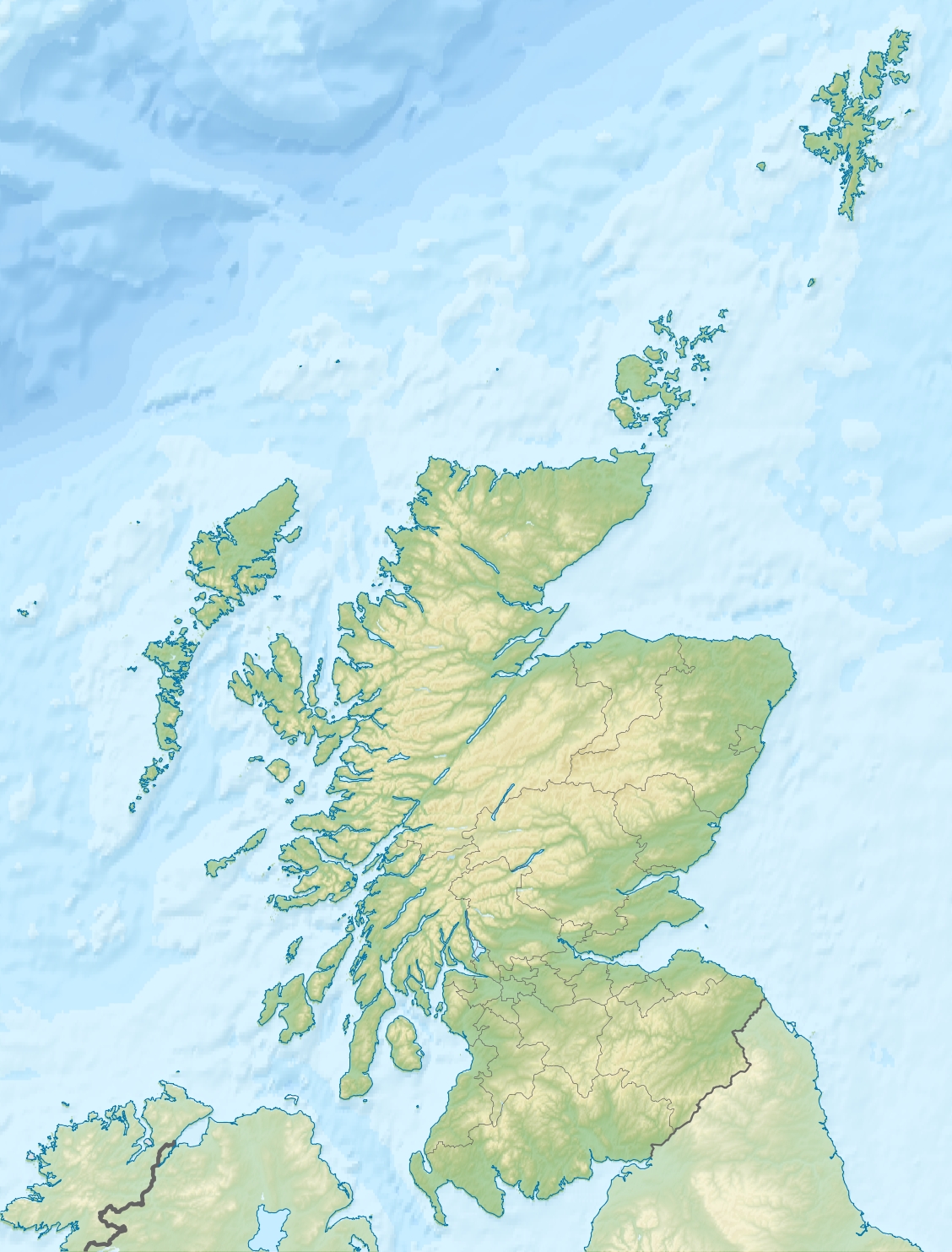
St Kilda is a small, remote archipelago of islands in the Hebrides, lying off the northwest coast of Scotland. The location is often given by precise coordinates. The islands are renowned for their dramatic sea cliffs, the ruins of a once-inhabited village and exceptionally rich wildlife. They are protected and recognised by UNESCO as a World Heritage Site for combined cultural and natural importance.
Image gallery
10 Images




Geography and main islands
The archipelago comprises several rugged islands and sea stacks. Hirta is the largest island, containing the remains of the island community and surrounding machair and grazing land. Other principal islands include Soay, Boreray and Dun, together with numerous stacks that provide steep nesting ledges for seabirds. The skyline is dominated by sheer cliffs and plateaux that rise from the Atlantic.
Human history and culture
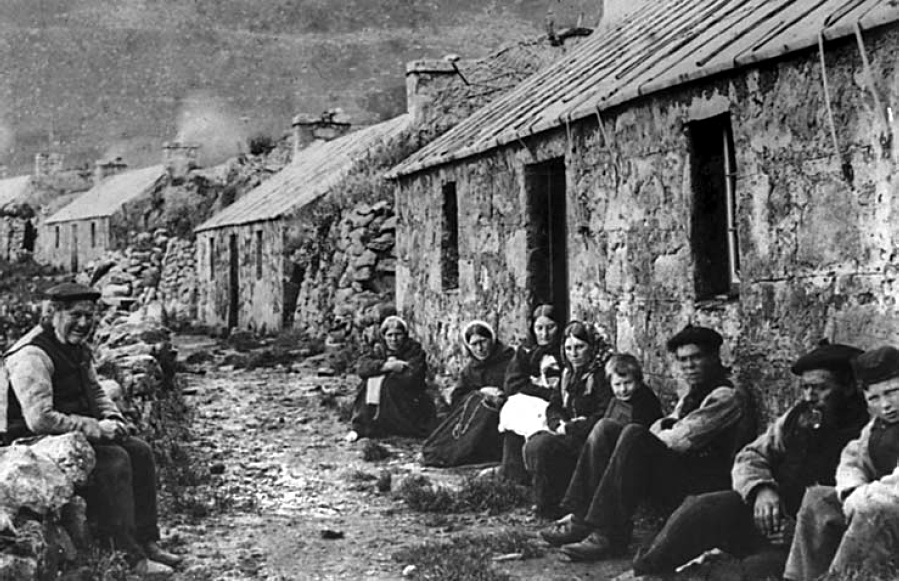
Hirta supported a small, self-reliant community for many centuries. Residents practised crofting, managed sheep (including primitive breeds such as the Soay), harvested seabirds for food and developed vernacular stone houses and field systems visible today. A distinctive local dialect of Gaelic and traditional skills evolved on the islands in relative isolation.
Evacuation and abandoned village
In the early 20th century the island population declined due to hardship, isolation and health problems. The remaining permanent residents left in an organised evacuation, after which the buildings, enclosures and field walls were left as evocative ruins. These archaeological remains are an important part of St Kilda’s cultural value and are studied and conserved by heritage organisations.
Wildlife and ecology
St Kilda supports exceptionally large seabird colonies and is of international importance for breeding birds. It hosts the world’s largest colony of North Atlantic gannets. Other breeding species include puffins, fulmars, guillemots and storm petrels. The islands also support a range of specialised plants and invertebrates adapted to the maritime climate, and populations of native and primitive livestock breeds.
Conservation, research and management
Today St Kilda is managed to protect both its cultural landscape and its natural habitats. Conservation work includes monitoring of seabird populations, habitat management, and archaeological survey and stabilization. Scientists use the islands as a natural laboratory for studies in ecology, island biogeography and the effects of climate and human absence on isolated ecosystems.
Access and visiting
Access to St Kilda is restricted and generally available only via licensed boat trips from parts of the Outer Hebrides and the Scottish mainland. Visitor numbers and landing arrangements are controlled to minimise disturbance to wildlife and to protect fragile historical sites. Anyone planning a visit should consult official guidance and respect local rules to conserve the islands for future generations.
- Principal islands: Hirta, Soay, Boreray, Dun
- Key values: seabird colonies, archaeological village, rare breeds and island ecology
- Designations: protected area with UNESCO World Heritage recognition and national conservation status
Further authoritative information and practical guidance are available from national and international conservation bodies and visitor services; see site coordinates and resources for maps and management advice via coordinates, general archipelago overviews, the Hebrides context, Scottish location references at Scotland, the UNESCO entry and detailed World Heritage information, together with specialised material on seabird conservation, colony monitoring (surveys) and gannet population studies.
Questions and answers
Q: Where is St Kilda located?
A: St Kilda is located northwest of the coast of Scotland.
Q: What is St Kilda?
A: St Kilda is a small archipelago of Hebridean islands.
Q: Is St Kilda a UNESCO World Heritage Site?
A: Yes, St Kilda is a UNESCO World Heritage Site.
Q: What is the main attraction of St Kilda?
A: The main attraction of St Kilda is its large seabird colonies.
Q: What type of seabird has the largest colony in St Kilda?
A: St Kilda has the largest colony of North Atlantic gannets in the world.
Q: What are the geographical coordinates of St Kilda?
A: The geographical coordinates of St Kilda are 57°49′2″N 8°34′36″W / 57.81722°N 8.57667°W / 57.81722; -8.57667.
Q: Why is St Kilda important?
A: St Kilda is important because of its unique biodiversity and cultural significance as a site of human habitation for thousands of years.
Related articles
Author
AlegsaOnline.com St Kilda (Scottish archipelago) Leandro Alegsa
URL: https://en.alegsaonline.com/art/93180
Sources
- getamap.ordnancesurvey.co.uk : Get-a-map
- scottish.parliament.uk : "Placenames"
- whc.unesco.org : "St Kilda"
- kilda.org.uk : "Marine Environment gains World Heritage Protection,"
- bbc.co.uk : "The new residents of St Kilda archipelago"
- kilda.org.uk : "Dual World Heritage Status For Unique Scottish Islands,"