
New Lanark: 18th‑Century Mill Village and Model Industrial Community
Historic 18th‑century cotton mill village on the River Clyde in South Lanarkshire, Scotland, noted for early social reform under Robert Owen and preserved as a UNESCO World Heritage Site.
Overview
New Lanark is a planned industrial settlement on the River Clyde in South Lanarkshire, Scotland. Established around the late 18th century, it grew as a cotton milling community and later became famous as a pioneering experiment in social welfare and education for mill workers. The site is recognised internationally for its historical and cultural value and is listed by UNESCO as a World Heritage property.
Image gallery
7 Images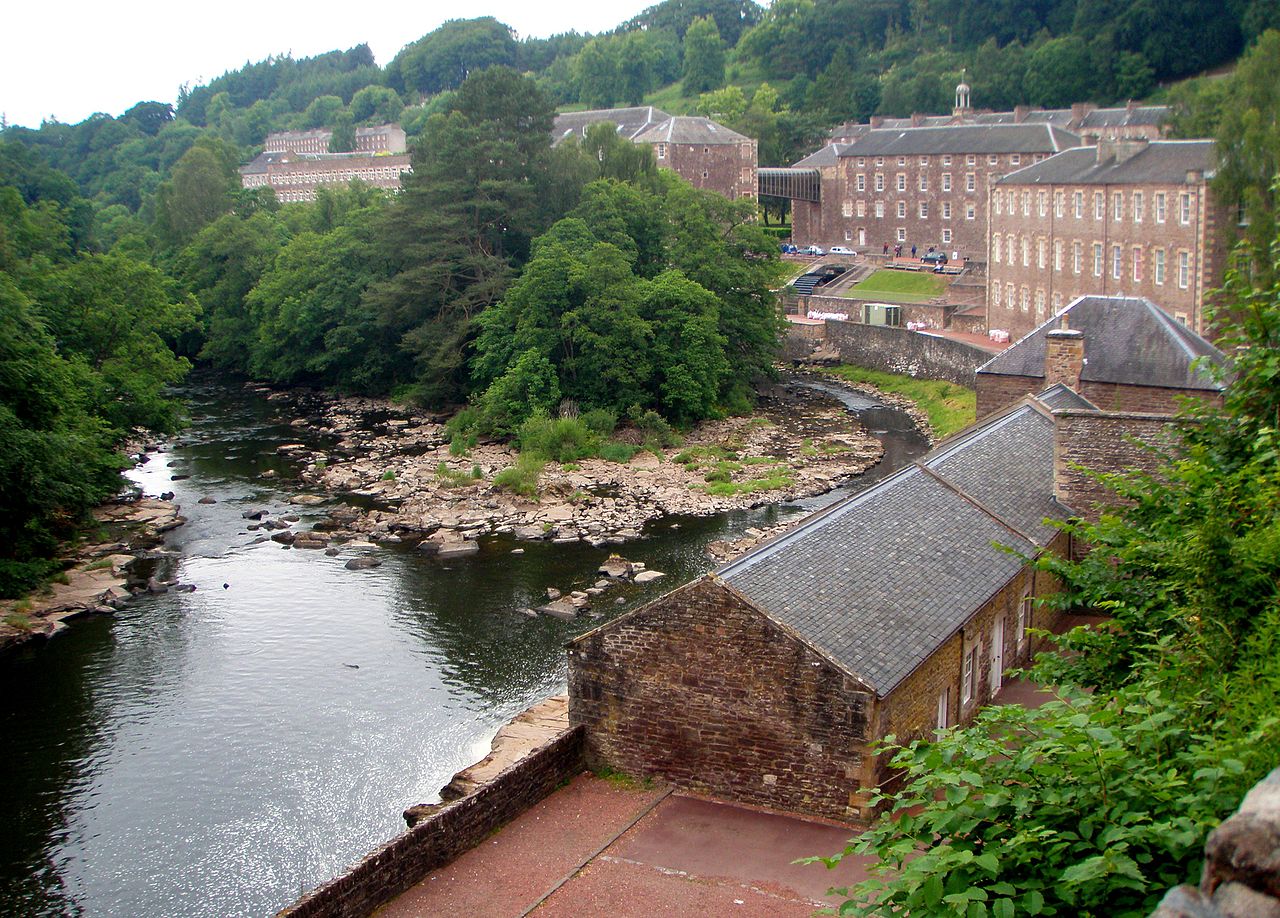




Architecture and layout
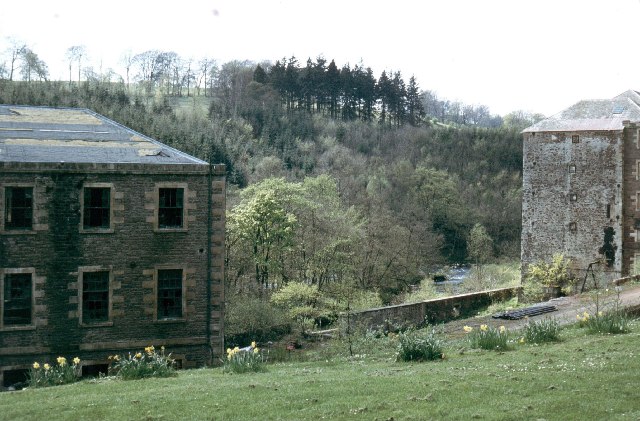
The village comprises mill buildings, workers' cottages, communal spaces and the remains of industrial infrastructure arranged along the riverbank. The surviving stone mills, rows of housing, and millpond channels illustrate early factory architecture and town planning tied to water‑powered industry. Restoration efforts have conserved much of the fabric while adapting buildings for museums, accommodation and community use.
History and social reform
New Lanark was founded by industrial entrepreneurs in the late 1700s and became closely associated with the social reformer Robert Owen after 1800. Owen introduced reduced working hours for children, basic schooling, health and sanitation measures, and cooperative stores — innovations that influenced later labour and educational reforms across Britain and beyond. These reforms are central to the site's historic significance.
Visiting today
As a heritage attraction the village offers a visitor centre, guided tours, exhibitions about industrial history and the lives of workers, and accommodation in repurposed mill buildings. Walking paths along the river and nearby nature features provide context for the industrial landscape. Practical visitor information and conservation updates are often provided by local authorities and the site's trust; see resources maintained by South Lanarkshire and other partners for details.
Significance and legacy
New Lanark is important for its well‑preserved urban plan, its role in the early industrial revolution, and its association with progressive labour practices. The UNESCO inscription recognises the combination of technological, social and architectural values that make the site exceptional. It continues to be studied as an early model of employer‑led welfare and as a landmark in the history of industrial communities.
Practical notes
- Location: riverside settlement in South Lanarkshire with accessible visitor facilities.
- Activities: museum exhibits, guided walks, educational programmes and events.
- Further reading: official World Heritage documentation and conservation reports provide in‑depth historical analysis; consult the site's entries such as World Heritage details.
Related articles
Author
AlegsaOnline.com New Lanark: 18th‑Century Mill Village and Model Industrial Community Leandro Alegsa
URL: https://en.alegsaonline.com/art/69551
Sources
- whc.unesco.org : "New Lanark"
- shadows2011.co.uk : "New Lanark"