
Orkney Islands: an archipelago in the Northern Isles of Scotland
An archipelago off northern Scotland with about 70 islands (around 20 inhabited). Renowned for Neolithic sites, Norse legacy, farming, maritime history at Scapa Flow, and diverse seabird colonies.
Overview
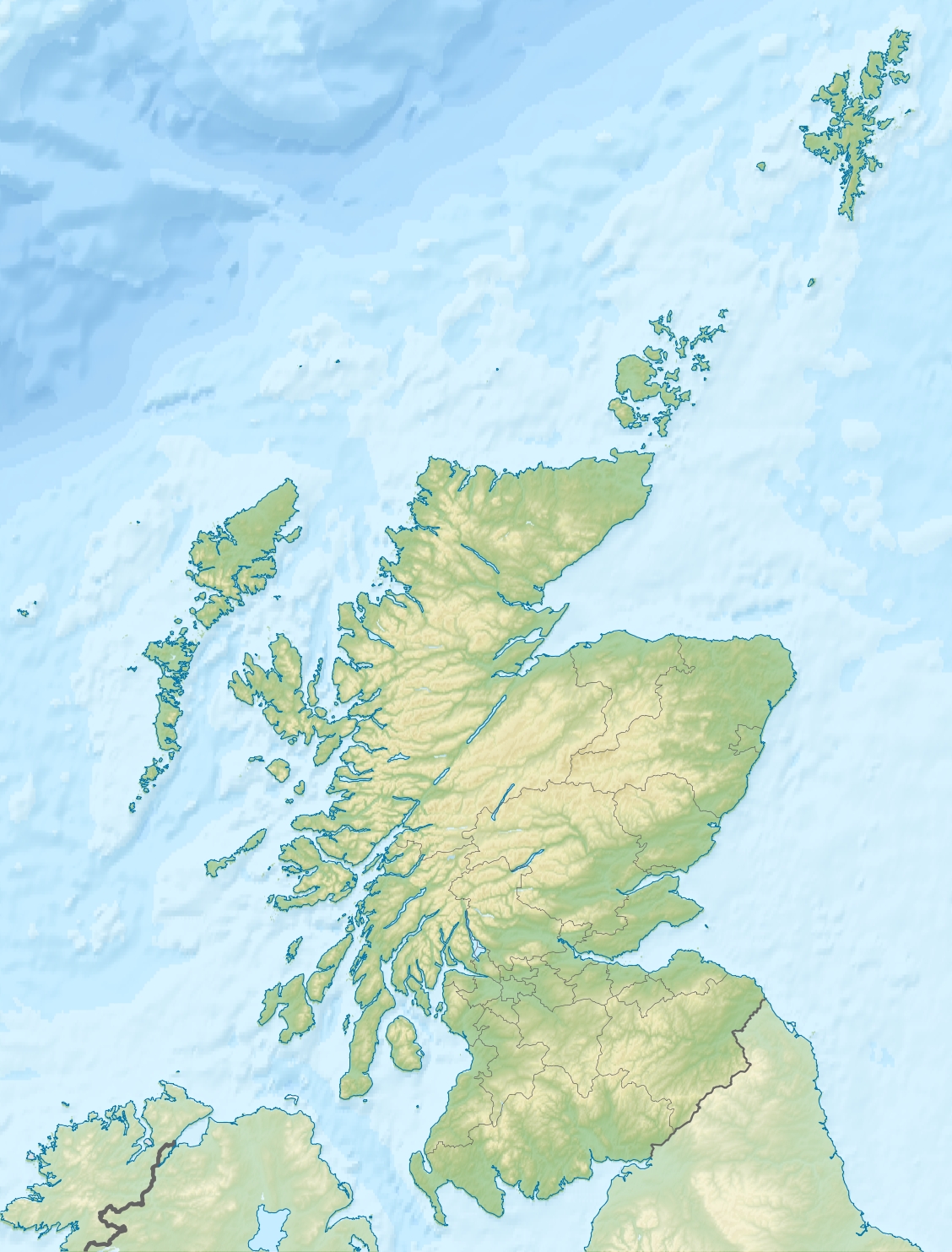
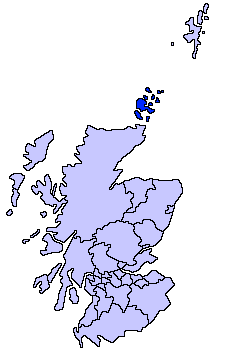
The Orkney Islands, commonly called Orkney, are an archipelago lying off the north coast of mainland Scotland. Positioned in the archipelago of the northern sea, they form part of the Northern Isles and are under the jurisdiction of Scotland within the United Kingdom. The group sits roughly 16 kilometres north of the Caithness coast and includes about seventy islands and skerries, of which about twenty support permanent communities. The local council area is centered on Kirkwall, the largest town, with smaller settlements such as Stromness and St. Margaret’s Hope serving as regional hubs.
Image gallery
10 Images



Geography and geology
Orkney’s islands are clustered close to the Scottish mainland, and are commonly divided into groups such as the North Isles and the South Isles. Geologically they are dominated by Old Red sandstone, which creates gently rolling moorland, low cliffs and many fertile coastal plains. The islands’ position in the North Atlantic moderates temperatures: a relatively mild climate with strong winds and frequent cloud, while rich, well-drained soil supports extensive agriculture uncommon at similar latitudes.
History and cultural heritage
Orkney has a long human story stretching from well-preserved Neolithic settlements through a long Norse period to modern Scottish administration. The islands were an important centre in the Neolithic, leaving remarkable stone-built remains; later they were colonised and ruled by Norse earls, which shaped local language, place names and cultural traditions. Over centuries Orkney’s strategic position also made it important in maritime and military affairs.
Economy, transport and communities
The economy combines mixed farming, fishing, renewable energy, defence-related activity and tourism. Agriculture remains a major land use: crofting, arable fields and sheep grazing cover much of the farmland. The maritime economy includes aquaculture, fisheries and a busy ferry system linking communities. Air and ferry connections to the Scottish mainland and between islands sustain daily life. Local services and small industries concentrate in Kirkwall and Stromness; the islands’ economy depends on both traditional trades and growing visitor‑oriented businesses.
Wildlife, conservation and notable sites
Orkney supports diverse seabird colonies, marine mammals and a range of coastal plants. Its waters and shorelines attract observers and researchers interested in breeding guillemots, puffins and seals. Several sites are protected for their natural or cultural value, and the best-known archaeological attractions include world-class Neolithic monuments.
Key places and visitor highlights
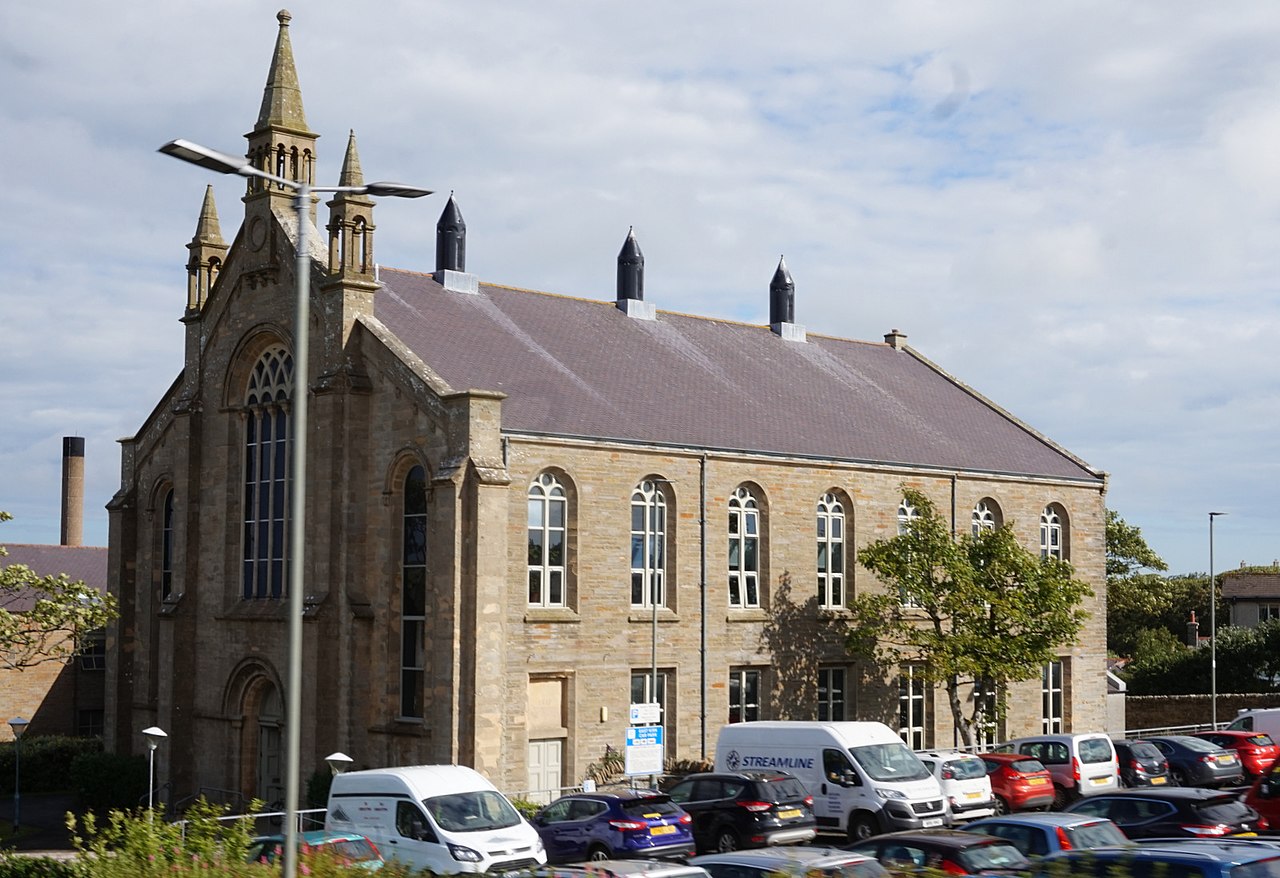
- Kirkwall – the administrative centre and largest town, with historic buildings and ferry links.
- Stromness – a small port town with maritime history and galleries.
- Neolithic monuments – clustered remains of houses, tombs and stone circles dating to several thousand years ago.
- Scapa Flow – a large natural harbour notable for 20th-century naval history and wreck diving.
Visitors seeking more information on travel, archaeology, wildlife or local events can consult regional guides and council resources. For further reading see local conservation pages and tourism materials: soil and land use, economy overview, and general region guides at archipelago resources and Northern Isles information. Additional context about governance and connectivity is often provided on Scotland-focused portals and national resources within the United Kingdom framework.
Questions and answers
Q: What are the Orkney Islands?
A: The Orkney Islands are an archipelago in the Northern Isles of Scotland, United Kingdom.
Q: How far are the Orkney Islands from Caithness?
A: The Orkney Islands are about 16 kilometres north of Caithness.
Q: How many of the Orkney Islands have people living on them?
A: About 20 of the approximately 70 islands have people living on them.
Q: What is the administrative centre of the Orkney Islands?
A: The administrative centre of the Orkney Islands is Kirkwall, with approximately 8000 people living there.
Q: What are the next largest settlements after Kirkwall on the Orkney Islands?
A: The next largest settlements are Stromness (with 2000 people) and St. Margaret's Hope (with about 550 people).
Q: What are the main sources of income for the economy of the Orkney Islands?
A: Agriculture is the main source of income for the economy of the Orkney Islands.
Q: What is the climate like on the Orkney Islands and what is the main type of flora and fauna?
A: The climate is mild and the soil is fertile. The Orkney Islands have a wide range of wildlife, with many birds and fish.
Related articles
Author
AlegsaOnline.com Orkney Islands: an archipelago in the Northern Isles of Scotland Leandro Alegsa
URL: https://en.alegsaonline.com/art/73174